
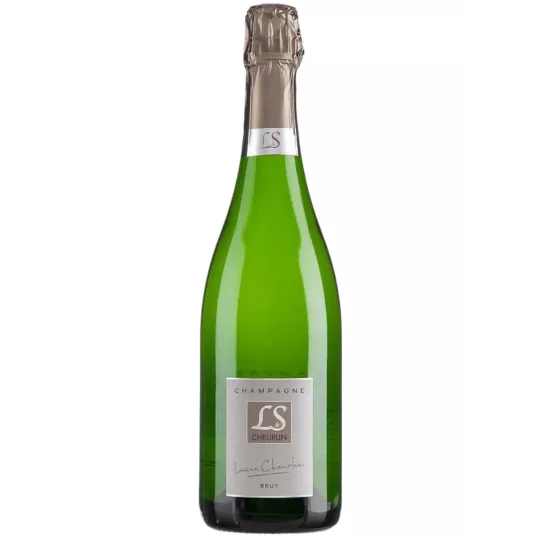
Discover the Art of Champagne Etiquette: Serving Champagne is far more than pouring bubbles into a glass—it is a...
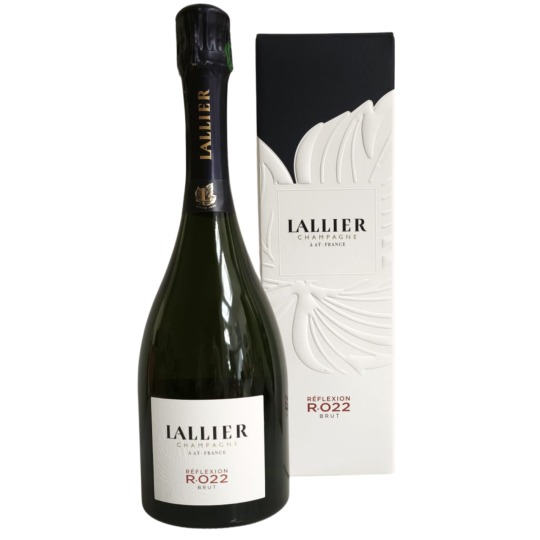

Discover the Art of Champagne Etiquette: Serving Champagne is far more than pouring bubbles into a glass—it is a...
Champagne is often associated with traditional serving customs, established cellaring practices, and classic tasting...
Champagne is often associated with well-established benchmarks: classic blends, traditional aging, and instantly...
Opening a bottle of sparkling wine is traditionally associated with celebration, precision, and high winemaking...
Decoding Champagne producer codes offers a fascinating look into the craft and structure behind every bottle. Beyond...
Choosing a Champagne depends primarily on the production philosophy you wish to experience in your glass. On one hand, the major Champagne houses (identified by the "NM" designation) excel in the art of blending across multiple vintages. They source grapes from throughout the region to ensure a consistent, balanced, and globally renowned flavor profile, year after year. This is the ideal choice for a prestigious gift or to guarantee absolute reliability for life's major events. In contrast,...
Preserving an open bottle of Champagne without losing its liveliness relies on strictly managing temperature and internal pressure. To slow the escape of carbon dioxide and limit contact with oxygen—which alters the aromas—the bottle must be immediately resealed with a special airtight stopper and stored upright in the coldest part of the refrigerator. Folk remedies, such as the famous silver teaspoon trick, have no scientific basis and prove completely ineffective at maintaining pressure. A...
While wine and cheese are classic culinary partners, red wine's heavy tannins often clash with the creamy texture and lactic acidity of cheese. Champagne serves as an excellent alternative, using its natural acidity, effervescence, and complex autolytic notes (derived from yeast aging) to physically cut through fats, cleanse the sensory receptors of the tongue, and prevent palate fatigue during a tasting. To achieve a balanced pairing, the structure of the wine must align with the moisture...
The Champagne region is characterized by complex viticultural techniques and highly regulated production standards, requiring a clear understanding of production methods when building a collection or preparing a gastronomic pairing. Selecting between non-vintage and vintage expressions dictates the flavor profile, aging capability, and overall structure of the liquid in the glass. While a non-vintage blend combines multi-year reserves to maintain a reliable, fruit-driven, and consistent house...
Blanc de Blancs and Blanc de Noirs represent the fascinating world of monocépage Champagnes, where wines are crafted entirely from a single grape variety rather than traditional blends. A classic Blanc de Blancs is made exclusively from white grapes, predominantly Chardonnay, resulting in an elegant, crisp, and linear profile celebrated for its vibrant citrus notes, sharp acidity, and chalky minerality. This style offers exceptional precision and outstanding aging potential, making it a...
Understanding the precise shelf life and technical storage requirements of Champagne is essential for safeguarding the structural stability, elegant effervescence, and complex aromatic profile of your wine collection over time. This professional guide analyzes the core biological and environmental factors that govern the development of unopened bottles—such as non-vintage expressions, exceptional vintages, and large-format vessels—while detailing how structural components like grape varieties...
This comprehensive guide explores the analytical world of low-dosage and zero-dosage Champagnes, detailing the technical distinctions between Brut, Extra Brut, and Brut Nature categories. Driven by changing viticultural techniques and modern environmental shifts, contemporary cellarmasters increasingly eliminate the traditional final sugar additions to highlight the pure mineral profile of their vineyards. Readers will discover how precise grape maturity, structural acidity, and patient...
The distinction between Grand Cru and Premier Cru Champagne is rooted in the history of the Échelle des Crus (Scale of Growths), a classification system established in the early 20th century to rate entire winegrowing villages based on the quality of their terroir. Grand Cru represents the absolute pinnacle of this hierarchy, a title exclusively reserved for the 17 villages that achieved a perfect 100% rating. These elite terroirs, concentrated on prime hillsides with deep, porous chalk...
Dive into the defining trend reshaping the world of sparkling wine: the structural shift from traditional sugar levels toward the absolute purity of Brut Nature and Non Dosé. This educational guide breaks down the precise technical balance between sugar and natural acidity, while highlighting the rigorous vineyard and cellar standards required to craft unadulterated cuvées that truly showcase the raw identity of their terroir. Whether you are an enthusiast or a professional, you will...
This technical guide explores the fascinating evolution of Champagne through the lens of single-plot (lieu-dit) bottling. It breaks down how independent growers are moving away from traditional multi-vineyard blending to isolate specific micro-parcels of land. Inspired directly by Burgundy's strict vineyard classification, this approach captures the raw expression of a single hillside, soil profile, and harvest year without the stabilizing safety net of reserve wines. Designed for...
This comprehensive guide explores the fascinating world of post-disgorgement aging, a crucial yet often overlooked phase in a Champagne's lifecycle. Designed for wine enthusiasts and collectors alike, the article demystifies what happens inside the bottle after the sediment is removed and the final cork is secured. Readers will discover the structural and aromatic transformations that occur over time, shifting from vibrant fruit freshness to rich, complex tertiary notes like honey and toasted...
What defines the unique texture of your favorite Champagne? Beyond the grape varieties and aging, a hidden biological process shapes every bubble: malolactic fermentation. Discover how winemakers balance sharp malic acid and creamy lactic acid to craft structural profiles ranging from razor-sharp freshness to velvety, brioche-infused complexity. A simple guide to understanding the structural engineering behind the pour.