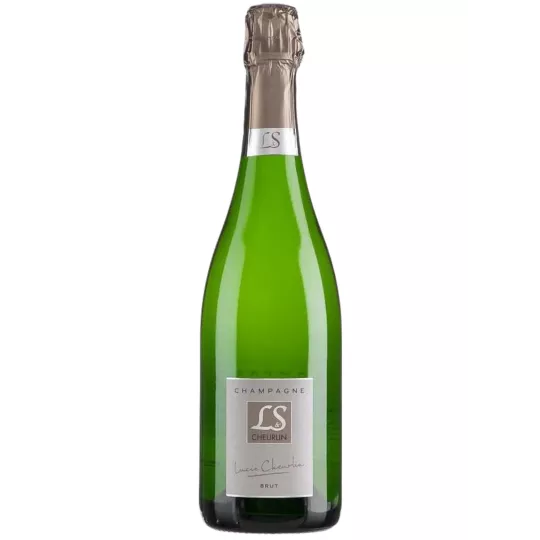
Choosing between Champagne, Prosecco, and Cava can be challenging when navigating the world of fine sparkling wines....
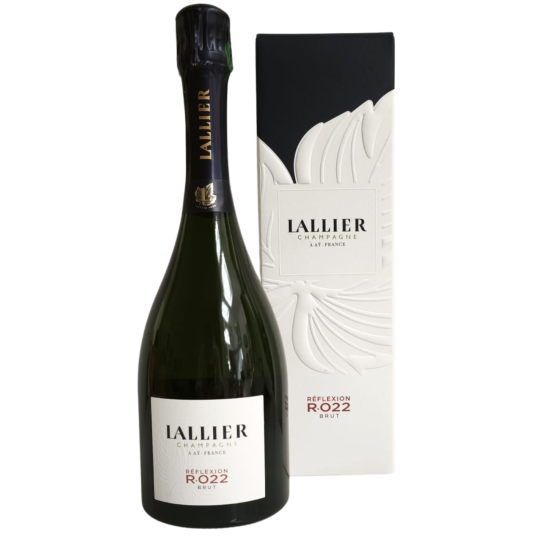


Choosing between Champagne, Prosecco, and Cava can be challenging when navigating the world of fine sparkling wines....

Hosting an educational champagne tasting at home is an excellent way to explore the unique diversity of the Champagne...

A Distinctive Craft: Unlike the common Rosé d'Assemblage—which blends still red wine into a white base—Champagne...
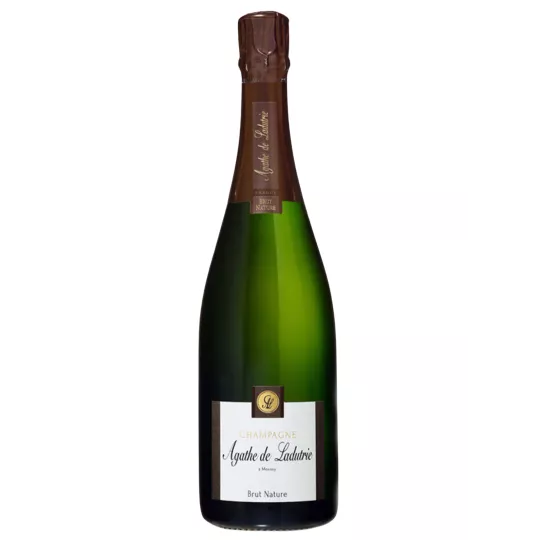
Brut Nature, also known as Zero Dosage, is the driest classification of Champagne, crafted without any added sugar...

Selecting the ideal champagne as a gift involves matching the structural profile of the wine to the specific nature...




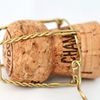

The profile of traditional sparkling wine is shifting toward structural purity. Historically, the addition of a sweetening liqueur before final corking was standard practice to balance the naturally high acidity of cool-climate grapes. Today, structural precision drives a growing preference for low and zero-dosage options. Understanding this technical components of winemaking allows professionals and enthusiasts alike to navigate the precise variations between sweetness levels, exploring how a reduction in sugar fundamentally alters the expression of terroir, structural balance, and aging potential.
Dosage represents the final analytical adjustment in the traditional method of sparkling winemaking. After the secondary fermentation in the bottle is complete and the sediment is removed during disgorgement, the volume of liquid lost must be replaced. This is achieved by adding the liqueur d'expédition, a precise blend of wine and pure cane sugar cane or concentrated grape must.
The primary function of this addition is not simply to sweeten, but to achieve an analytical equilibrium. Grapes harvested in northern margins feature high concentrations of malic and tartaric acids. The added sugar acts as a structural counterweight to these acids. Without this balance, the perception of carbon dioxide and high acidity could overwhelm the palate. The chemical interaction between dissolved sugars and organic acids modifies the tactile perception of the wine, softening the phenolic compounds and smoothing the texture of the mousse.
The official classification of sweetness levels is strictly regulated by European winemaking standards based on the residual sugar content per liter. While consumers are highly familiar with traditional categories, the technical interest lies in the driest segments of the spectrum.
For decades, Brut Champagne has served as the commercial benchmark for consistency. Allowing a residual sugar content of up to 12 g/L, this category provides winemakers with a flexible margin to maintain a consistent house style across different vintages. The sugar hides vintage variations and ensures a rounded, accessible palate.
Moving down the scale, Extra Brut Champagne permits a narrow window between 0 and 6 g/L of residual sugar. In this category, the masking effect of the liqueur is significantly reduced. Winemakers selecting this classification must rely on optimal grape maturity and extended lees aging to provide the roundness that sugar would otherwise simulate.
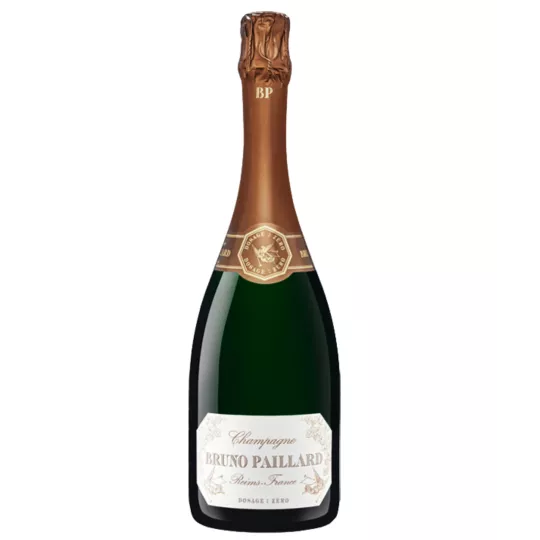
At the base of the scale sits Brut Nature Champagne, also frequently designated as Pas Dosé, Zéro Dosage, or Dosage Zéro. This classification is strictly reserved for wines containing less than 3 g/L of residual sugar, with zero sugar added after secondary fermentation. The minimal residual sugar present is exclusively composed of unfermentable hexose sugars naturally derived from the grape must.
| Classification | Residual Sugar Regulatory Limit (g/L) | Permitted Added Sugar |
|---|---|---|
| Brut | < 12 g/L | Yes |
| Extra-Brut | 0 to 6 g/L | Yes |
| Brut Nature / Pas Dosé | < 3 g/L | No |
| Demi-Sec | 32 to 50 g/L | Yes |
Eliminating or reducing the liqueur d'expédition leaves the structural components of the wine completely exposed. Consequently, producing high-quality low-dosage wine requires rigorous standards in both the vineyard and the cellar.
To achieve balance without added sugar, grapes must achieve physiological ripeness while retaining their essential organic acids. This requires meticulous vineyard management. Winemakers must focus on yield restriction, optimal canopy management, and harvesting at the precise intersection of potential alcohol and acid degradation.
Terroir plays a critical role in this process:
Selecting the appropriate dosage level depends heavily on the context of consumption, serving temperature, and food pairing dynamics.
The absence of sugar in non-dosé wines makes them exceptional culinary companions, particularly for dishes that are easily overwhelmed by sweetness. The high acid profile cuts through fat, while the clean finish respects the delicate flavors of raw seafood.
Low-dosage wines are sensitive to temperature variations. Serving a non-dosé wine too cold (below 6°C) constricts its aromatic profile and highlights sharp acidity. Ideally, these wines should be served between 8°C and 10°C. The choice of glassware is equally critical; using wide-headed Champagne glasses allows the wine to breathe, encouraging aromatic expansion and softening the entry of the bubbles on the palate.
Navigating the market requires a clear understanding of the distinct philosophies driving production today. Buyers can choose between historical houses, which focus on consistent blending, and independent growers who emphasize specific vintage and site variations.
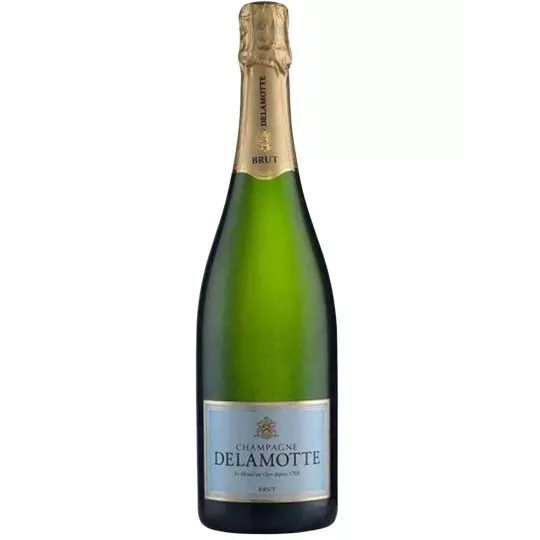
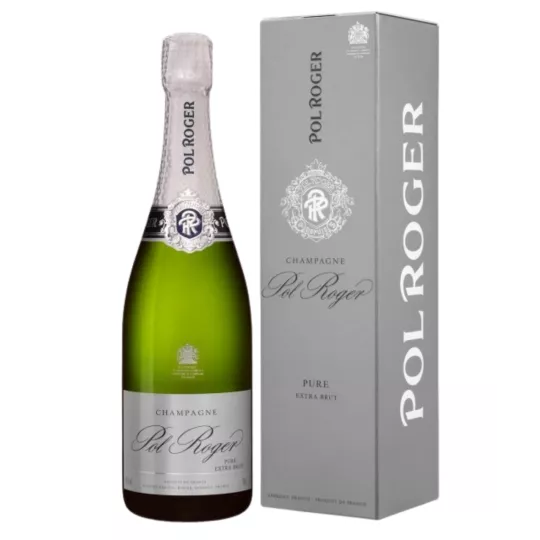
For those seeking classic consistency and long-term cellaring reliability, established houses offer distinct interpretations of low-dosage styles:
Concurrently, contemporary independent Champagne Winegrowers are pushing boundaries by blending low dosage with sustainable viticulture. The rise of Organic Champagne and Biodynamics Champagne production highlights an industry-wide shift toward minimal intervention, allowing the true nature of the vineyard to speak for itself without synthetic additives or heavy sweetening.
When purchasing low-dosage wines for cellaring, bottle size is a crucial factor. The ratio of oxygen to liquid inside the bottle dictates the rate of structural development according to official guidelines from the Comité Champagne.
Stepping into the world of non-dosé wine requires setting aside a few common misconceptions to ensure a rewarding tasting experience.
 Buying Champagne Online : Everything you need to know The 4 Most Popular Types of Champagne : A Detailed Guide The history of champagne : From the Middle Ages to modern times Where to buy Ruinart champagne ? What is special about saignée rosé champagne ?