A Distinctive Craft: Unlike the common Rosé d'Assemblage—which blends still red wine into a white base—Champagne...
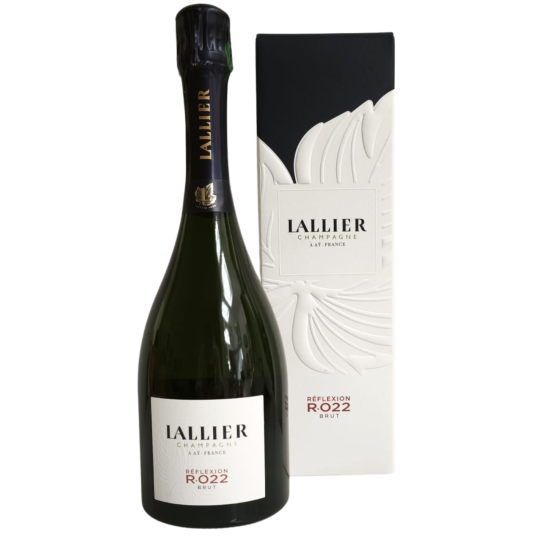


A Distinctive Craft: Unlike the common Rosé d'Assemblage—which blends still red wine into a white base—Champagne...
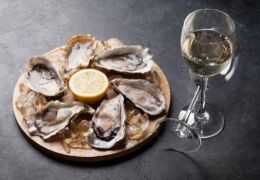
Brut Nature, also known as Zero Dosage, is the driest classification of Champagne, crafted without any added sugar...

Selecting the ideal champagne as a gift involves matching the structural profile of the wine to the specific nature...

Choosing a Champagne depends primarily on the production philosophy you wish to experience in your glass. On one...
Preserving an open bottle of Champagne without losing its liveliness relies on strictly managing temperature and...



The Champagne region is characterized by complex viticultural techniques and highly regulated production standards. When exploring options for a collection, an event, or a gastronomic pairing, consumers face a fundamental choice between non-vintage and vintage expressions. Understanding the structural, aromatic, and technical differences between these two categories is essential for identifying which bottle aligns with your specific technical preferences and serving requirements.
While non-vintage options emphasize consistency and the reproduction of a specific identity year after year, a vintage bottling serves as an organoleptic record of a single harvest. Deciding when to invest in a premium edition requires analyzing how these liquids are made, their maturation timelines, and how their structures behave over time on the palate. This analytical guide breaks down the essential criteria to guide your upcoming acquisitions.
The vast majority of regional production is categorized as non-vintage (NV). The primary technical objective of an NV bottling is to preserve a constant organoleptic profile despite annual weather shifts. To counteract frost, rainfall anomalies, or temperature variations, the cellar master creates an elaborate assembly of base wines from the current harvest blended with aged reserve wines from previous years.
These reserve collections are carefully maintained in stainless steel vats, oak casks, or magnums to retain specific blending properties. By merging multi-year profiles, producers can replicate their historical style continuously. According to regional legislation, a non-vintage Bottle of champagne must undergo a minimum maturation period of 15 months on its lees within the cellars prior to disgorgement, which establishes its fundamental aromatic base.
In contrast, a vintage cuvée represents a single point in viticultural history. Cellar masters do not declare a vintage annually; they only do so when a specific harvest shows exceptional sugar-to-acid balance, phenolic ripeness, and aging capacity. By law, 100% of the grapes used in production must originate from the specific harvest year stated on the bottle label.
Furthermore, Champagne vintages are legally required to mature on their lees for a minimum of 36 months before commercial release. Many prominent houses extend this timeline to six, ten, or fifteen years. This prolonged autolytic contact modifies the macromolecular structure of the liquid, integrating the carbon dioxide more closely, reducing bubble size, and generating pronounced tertiary notes such as toasted nuts, candied stone fruits, and dry spices.
Non-vintage profiles are designed around accessibility, primary fruit clarity, and vibrant acidity. Because they integrate reserve wines, they exhibit a rounded character from the moment they are disgorged and do not require additional cellaring. If your goal is an accurate expression of a producer's core philosophy, a classic Brut Champagne provides an optimal baseline.
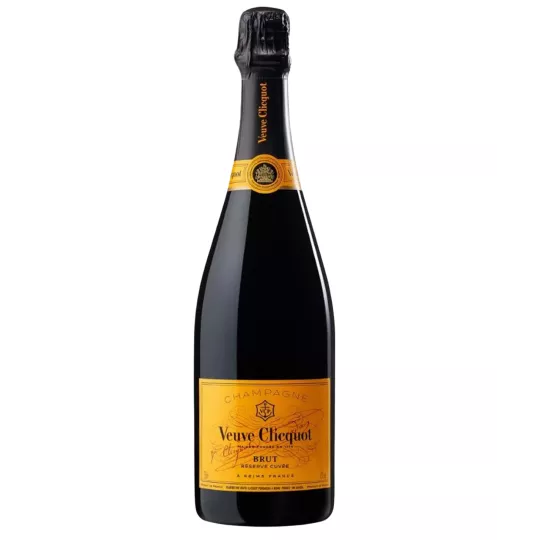
These editions are highly suited for service as an apéritif, where clean mineral lines, crisp green apple notes, and bright citrus profiles are preferred to prepare the palate. For instance, exploring the regular production lines of the historical Veuve Clicquot house demonstrates how a non-vintage blend can reliably deliver structure, weight, and fruit focus across different distribution markets without variations between batches.
Investing in a yeared edition is a deliberate decision directed toward complexity, texture, and evolution. A vintage bottle contains higher levels of integrated amino acids from autolysis, which translates to a heavier weight on the mid-palate and a distinct savory depth. This architectural density makes vintage bottles highly functional within a structured gastronomic meal.
When matching rich culinary textures—such as roasted poultry, firm sea fish, or mature cheeses—the intense concentration of a vintage bottle is structurally necessary to balance the food. For example, looking into the traditional Bollinger profile reveals how extended oak vinification combined with a single-year harvest generates a robust, vinous backbone capable of anchoring a multi-course dinner rather than functioning as a light beverage.
Temperature dictates how dissolved carbon dioxide gas escapes the liquid matrix and how volatile aromatic compounds reach the olfactory receptors. Serving a complex beverage too cold numbs the tongue and traps volatile molecules, lowering the perceived quality of the liquid. Conversely, serving it too warm causes a rapid, aggressive release of gas, disrupting the texture.
The classic narrow flute is effective for maintaining gas retention in younger, fruit-forward liquids, but it limits the surface area interaction with oxygen. For older, structurally complex editions, narrow designs compress the aroma path. Pouring a mature harvest into wider, tulip-shaped Champagne glasses provides the necessary oxygenation space, allowing the nuanced bouquet to express itself fully on the nose without concentrating carbonic gas burn.
The grape varieties dictating the blend heavily impact how a vintage bottle matures over decades in a cellar. A vintage Blanc de Blancs Champagne, crafted entirely from Chardonnay grapes, often shows a linear, highly acidic profile in its youth. Over time, this acidity integrates into a creamy texture characterized by chalky minerals and citrus confit notes.
Conversely, a vintage Blanc de noirs Champagne made from Pinot Noir or Pinot Meunier offers a wider, more muscular structure from the start. With age, its primary red fruit markers shift toward earthy forest floor, dried fig, and tobacco notes, making it a highly vinous selection for collectors searching for depth and weight.
Every historic estate applies a distinct technical philosophy to its vintage productions. The deep Charles Heidsieck style, for example, is built upon a high percentage of old reserve wines in their non-vintage cuvées, which creates a complex baseline; when they transition to a vintage, they isolate the unique character of that year with precision. Meanwhile, looking at refined Ruinart cuvées shows a historical focus on aromatic purity, utilizing reduction management and precise skin-contact metrics to ensure long-term freshness.
While vintage editions possess the structural elements required for long-term cellaring, they follow a natural curve of evolution. Eventually, a wine will exhaust its reductive buffer, leading to a loss of carbonation and an over-oxidized profile resembling flat cider. Non-vintage bottles are designed for immediate consumption and should generally be opened within one to three years of acquisition.
Leaving a premium vintage inside a high-powered ice bucket for hours before serving lowers the temperature below 6°C. At this level, the structural differences that justify the financial investment of a yeared bottle become imperceptible, flattening the experience to a simple sensation of cold carbonation.
A vintage designation indicates only the chronological origin of the grapes, not the final sugar content added during the dosage phase. A vintage bottle can be finished with varying sugar levels, ranging from a standard dosage to a bone-dry style. The classification details of these technical variations are managed officially by the Union des Maisons de Champagne, confirming that vintage selection and sweetness parameters remain completely independent production metrics.
 Champagne-based cocktails Serve a good champagne Where to buy Deutz champagne ? How to choose the right champagne to accompany a meal ? Where to find cheap champagne: our tips for buying good wine at a low price ?