
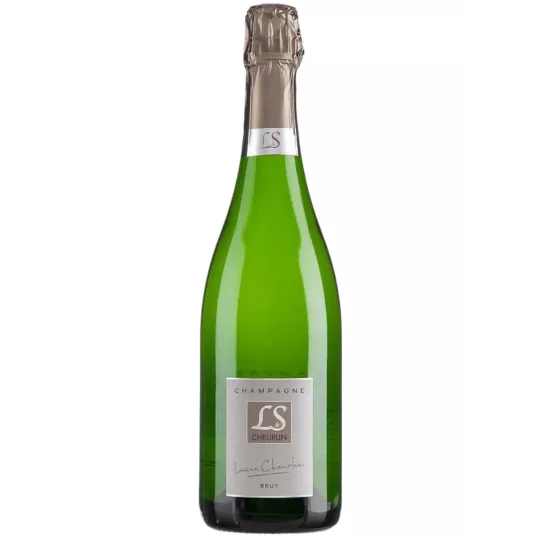
Opening a bottle of sparkling wine is traditionally associated with celebration, precision, and high winemaking...
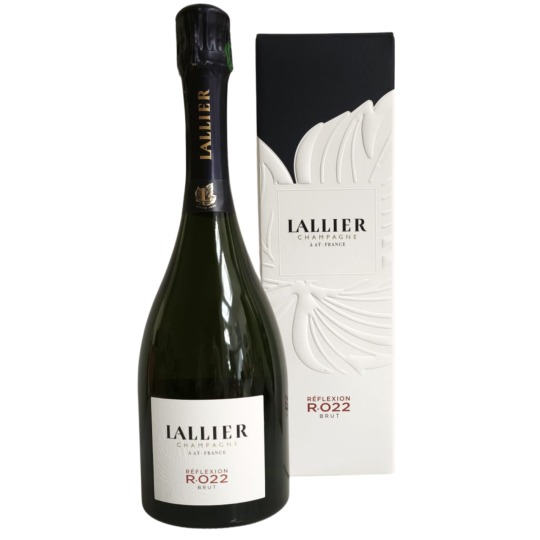


Opening a bottle of sparkling wine is traditionally associated with celebration, precision, and high winemaking...

Decoding Champagne producer codes offers a fascinating look into the craft and structure behind every bottle. Beyond...

Champagne is often associated with celebration and sophisticated dining, but understanding its nutritional and...

Planning the ideal beverage quantities for a wedding, reception, or dinner party requires an accurate understanding...

Choosing between Champagne, Prosecco, and Cava can be challenging when navigating the world of fine sparkling wines....







Opening a fine bottle should always be a moment of pure tasting appreciation. However, like any living agricultural product, sparkling wine can occasionally suffer from structural defects. Recognizing these issues allows wine enthusiasts to assess their bottle accurately and handle faulty purchases with confidence.
Understanding how wine faults develop requires a brief look at winemaking and bottle storage conditions. Whether you are tasting a classic Brut Champagne or an aged bottle, knowing how to identify cork taint, premature oxidation, loss of effervescence, or reduction ensures that every glass meets professional quality standards.
Wine faults stem from biochemical imbalances, microbial activity, or environmental exposure during aging and storage. In sparkling wines, these defects alter the delicate aromatic profile and effervescence carefully developed by Champagne Winegrowers. Identifying whether a bottle is simply evolving or genuinely defective is key to proper wine evaluation.
Cork taint is caused primarily by 2,4,6-trichloroanisole (TCA), a chemical compound that forms when naturally occurring fungi react with chlorophenols found in cork processing or winery sanitation materials.
Oxidation occurs when excessive oxygen interacts with the wine, stripping away freshness and causing premature aging. While controlled oxidation is used in specific winemaking styles, unintentional oxidation ruins the balance of the wine.
A complete lack of bubbles indicates a failure in pressure retention or secondary fermentation inside the bottle.
Reduction is the chemical opposite of oxidation, occurring when a wine is completely deprived of oxygen during cellar aging, leading to volatile sulfur compounds.
Spotting potential defects begins before the cork is even popped. Visual inspection of the bottle and cork provides vital clues regarding how the wine was stored and whether its seal remains intact.
| Inspection Point | Ideal Condition | Warning Sign |
|---|---|---|
| Liquid Level (Ullage) | High neck level near the cork | Significantly low fill line |
| Wine Clarity | Bright, clear, free of cloudiness | Unexpected haziness or suspension |
| Cork Appearance | Firm, dry top, uniform elasticity | Seepage, sticky residue, soft cork |
| Foil & Capsule | Intact, clean, firmly fitted | Staining under the foil, corrosion |
When evaluating specialized styles like a Rosé champagne or a delicate Blanc de Blancs Champagne, checking visual clarity under direct light ensures that no unwanted microbial cloudiness has developed. Houses like Pol Roger and Louis Roederer maintain strict bottling controls to ensure pristine condition upon release.
When a fault is detected during service, executing the proper evaluation steps prevents serving a compromised beverage to guests.
Wine faults frequently develop after leaving the producer's cellar due to improper storage conditions. Avoiding common storage mistakes preserves the integrity of delicate cuvées such as Champagne vintages.
Recognizing the technical signs of cork taint, oxidation, and carbonation loss ensures that every bottle opened delivers the precise organoleptic profile intended by its creator.
 What is special about saignée rosé champagne ? Exploring the World of Champagne: Myths, Facts, and Surprising Varieties Not Sure What Champagne To Buy? Ask The Expert! Satchells Wines & Champagne: Quality, Tradition, and Expertise Durian Chocolate Tiramisu with Champagne-Glazed Cherries