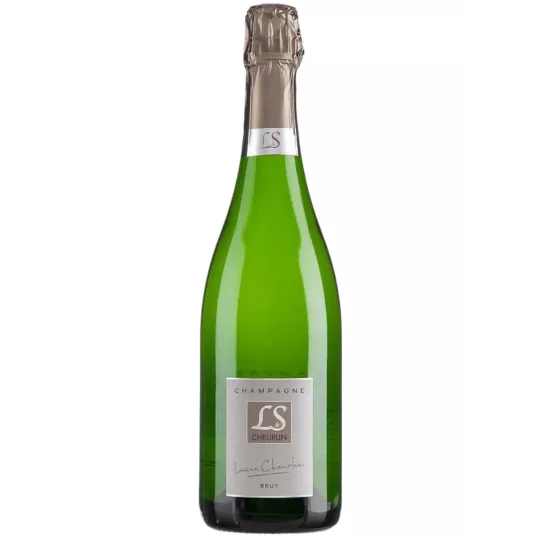
Champagne is often associated with well-established benchmarks: classic blends, traditional aging, and instantly...
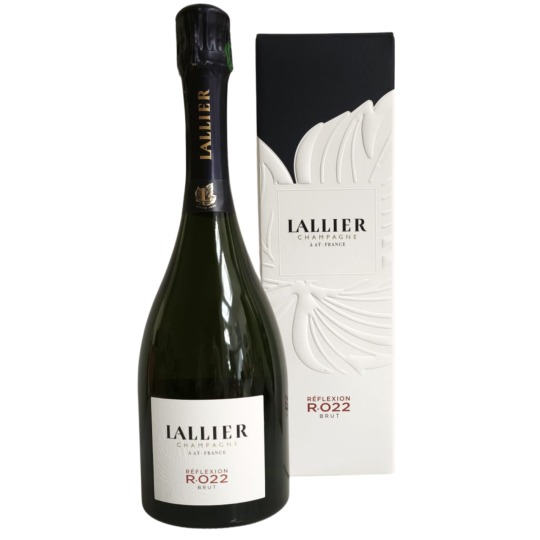


Champagne is often associated with well-established benchmarks: classic blends, traditional aging, and instantly...

Opening a bottle of sparkling wine is traditionally associated with celebration, precision, and high winemaking...

Decoding Champagne producer codes offers a fascinating look into the craft and structure behind every bottle. Beyond...

Champagne is often associated with celebration and sophisticated dining, but understanding its nutritional and...

Planning the ideal beverage quantities for a wedding, reception, or dinner party requires an accurate understanding...







The Champagne wine region is defined by distinct geographical sub-zones, each offering a specific combination of subsoil, topography, and microclimate. While many cuvées rely on blending across multiple sectors, understanding the foundational sub-regions provides essential insight into grape adaptation, viticultural practices, and technical flavor profiles.
To understand how terroir influences the structural balance of a bottle, this guide explores the three historic pillars of the appellation: Montagne de Reims, Côte des Blancs, and Vallée de la Marne.
A terroir is the intersection of climate, geology, relief, and human intervention. In the Champagne AOC, spanning over 34,000 hectares, three structural parameters dictate viticultural choices:
These factors direct the selection of the primary grape varieties permitted under AOC regulations: Chardonnay, Pinot Noir, and Meunier.
Located between the cities of Reims and Épernay, the Montagne de Reims forms a broad plateau surrounding a dense forest. The vineyards curve along gentle slopes facing north, east, and south.
       [ Forested Plateau ]
     /                    \
  (North-Facing Slopes)   (South-Facing Slopes)
  Verzy / Verzenay         Bouzy / Ambonnay
  [Chalk Base + Pinot]     [Deep Chalk + Pinot]
The subsoil consists of deep belemnite chalk topped with varying depths of clay, sand, and gravel. This deep chalk layer acts as a thermal and hydraulic buffer, absorbing heat during the day and providing steady water access to deep roots.
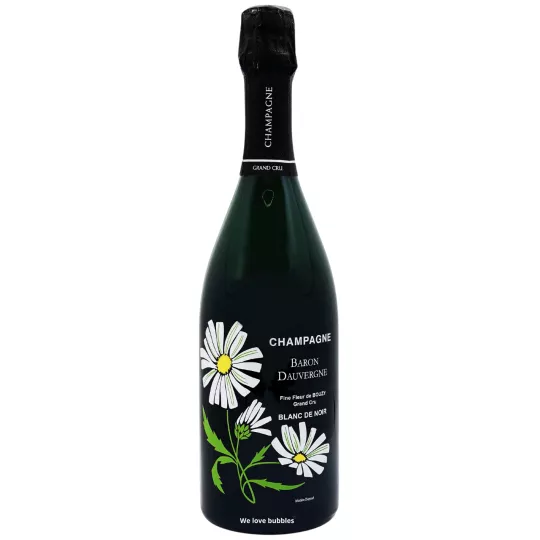
Pinot Noir dominates this zone, particularly in renowned Grand Cru Champagne villages such as Bouzy, Ambonnay, Verzenay, and Verzy. Chardonnay is also cultivated along eastern exposures.
Wines from the Montagne de Reims provide structural depth, weight, and firm acidity. High levels of phenolic compounds from Pinot Noir make these base wines prime candidates for extensive cellaring, featured frequently in full-bodied Brut Champagne production or structured Champagne vintages.
Houses like Bollinger and Veuve Clicquot historically rely on the structured Pinot Noir harvested from these hillside parcels to build their house styles.
South of Épernay, stretching across a 20-kilometer ridge facing east, lies the Côte des Blancs. This narrow cliff edge is protected from prevailing westerly winds.
| Feature | Details |
|---|---|
| Primary Grape | Chardonnay (~95% of plantings) |
| Soil Type | Pure Belemnite Chalk with thin topsoil |
| Key Grand Crus | Avize, Cramant, Le Mesnil-sur-Oger, Oger |
| Wine Profile | High acidity, mineral focus, citrus notes |
The chalk outcroppings are nearly bare here, covered only by a thin layer of topsoil. Belemnite chalk possesses high porosity, holding up to 300 liters of water per cubic meter. This capillary action keeps vines hydrated during summer droughts without waterlogging the roots.
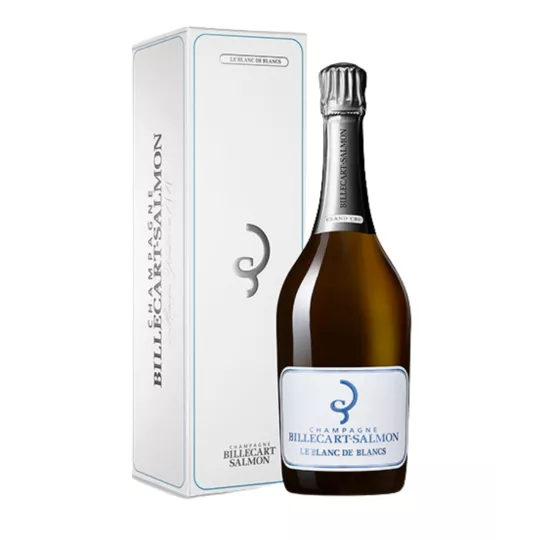
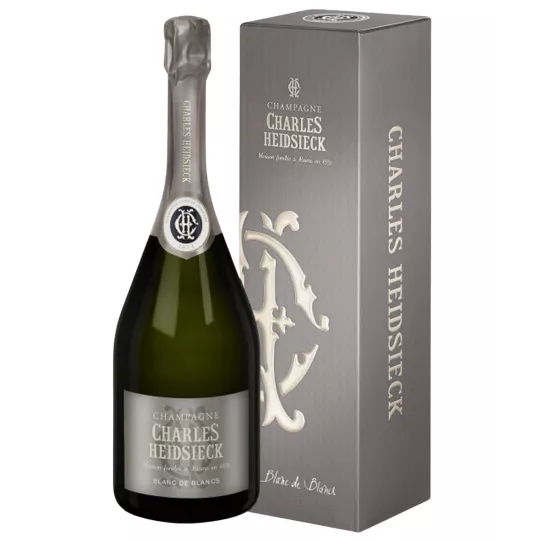
This geological setup is ideal for Chardonnay. The resulting base wines display elevated total acidity, linear tension, and pronounced saline notes. When vinified as 100% Chardonnay, these cuvées form the classic Blanc de Blancs Champagne category.
Growers and houses like Ruinart emphasize this mineral core, while long-term barrel maturation is championed by houses such as Charles Heidsieck to soften the high acidity.
Following the course of the Marne River west from Épernay toward Paris, the Vallée de la Marne features steep, winding hillsides with varied sun exposures.
                  Vallée de la Marne
             ~~~~~~~~~~~~~~~~~~~~~~~~~~~~~  (Marne River)
            /                             \
     (Heavy Clay & Marl)           (Soils Rich in Silt)
    Resistant to Frost            Spring Frost Protection
   [Meunier Dominance]           [Aromatic Fruit Focus]
Unlike the chalk-heavy Côte des Blancs, the valley floor and lower slopes feature heavier soils containing clay, marl, and sand. Clay retains humidity and warms up slowly in the spring, which delays budburst.
Because the valley floor is prone to spring frosts, viticulturists plant Meunier here. Meunier buds later than Chardonnay and Pinot Noir, making it less susceptible to freezing temperatures.
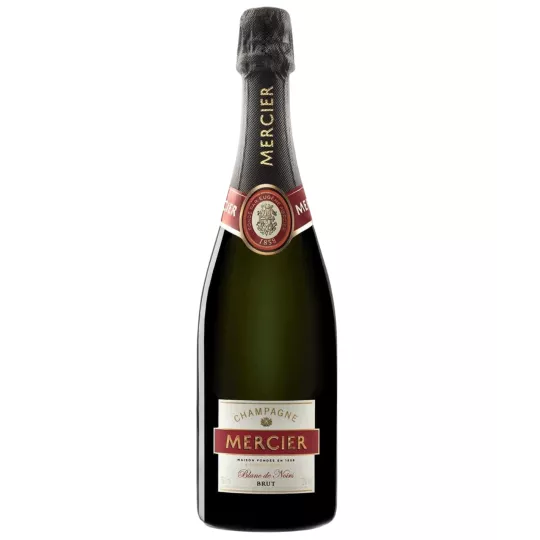
Meunier provides roundness, primary fruit characteristics, and immediate accessibility to a blend. While historically used as a balance component for young-drinking non-vintage cuvées, producers are increasingly highlighting 100% Meunier bottlings in the Blanc de noirs Champagne framework.
For extended scientific and historical documentation on appellation boundaries, soil classifications, and official specs, consult the official Comité Champagne documentation.
To summarize the technical differences between these core sub-zones:
Selecting the right bottle depends on how the wine's structural characteristics align with serving temperatures, glassware choices, and food pairings.
                 [ Desired Flavor Profile ]
                             |
       +---------------------+---------------------+
       |                     |                     |
  [ High Tension & ]   [ Structure & ]      [ Generous Fruit & ]
    Mouth-watering        Body                  Softness
       |                     |                     |
  (Côte des Blancs)   (Montagne de Reims)   (Vallée de la Marne)
       |                     |                     |
   Aperitif /            Full Meal /          Cocktail / Casual
   Seafood               Poultry / Meats      Gathering
For fresh, high-tension profiles, select a Côte des Blancs bottling. The sharp acidity cleanses the palate, making it an ideal aperitif or partner for raw oysters and sashimi. Serving in wide-bowled Champagne glasses allows the subtle floral aromas of Chardonnay to open up properly.
For structured meals featuring white meats or mushroom dishes, opt for Pinot Noir-dominant expressions from the Montagne de Reims or low-dosage selections like Extra brut Champagne. The higher tannin structure and weight handle rich sauces effectively.
Fruit-forward Meunier-based wines from the Vallée de la Marne offer lower perceived acidity and approachable fruit profiles. These style choices suit casual settings or savory charcuterie boards where immediate charm is preferred over long cellaring capacity.
 Harvesting grapes for making champagne : all you need to know Wine tourism in Champagne 2024: Our guide to a Sparkling Adventure The different grape varieties of Champagne: complete guide Subtlety in perfection : The Ethos Of Champagne Salon Champagne, Practicality Meets Elegance