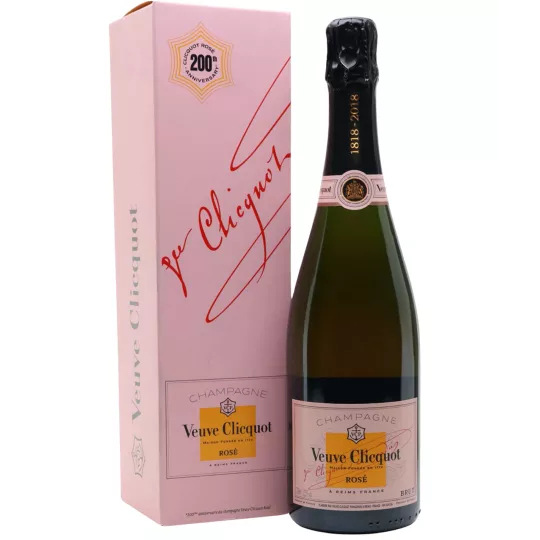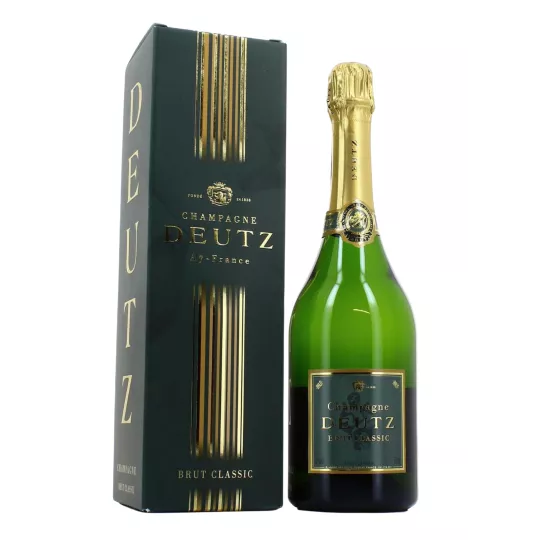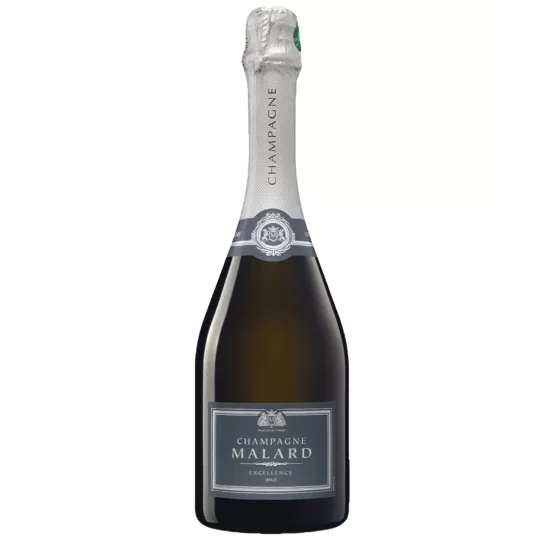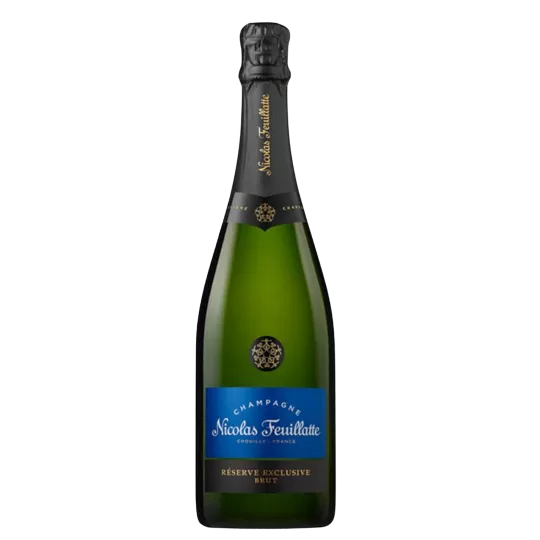
Decoding Champagne producer codes offers a fascinating look into the craft and structure behind every bottle. Beyond...


Decoding Champagne producer codes offers a fascinating look into the craft and structure behind every bottle. Beyond...

Champagne is often associated with celebration and sophisticated dining, but understanding its nutritional and...

Planning the ideal beverage quantities for a wedding, reception, or dinner party requires an accurate understanding...

Choosing between Champagne, Prosecco, and Cava can be challenging when navigating the world of fine sparkling wines....

Hosting an educational champagne tasting at home is an excellent way to explore the unique diversity of the Champagne...






Understanding Champagne labels requires looking beyond the prestige of a house or the elegance of a bottle. Every official label features tiny, two-letter acronyms—such as NM, RM, CM, or RC—followed by a professional registration number. These codes are regulated by the Comité Champagne to provide transparency regarding who grew the grapes, who crafted the wine, and how the bottle was brought to market. Decoding these Champagne producer codes allows wine enthusiasts to better identify the origin, craftsmanship, and production methods behind every bottle.
Whether you are selecting a bottle for a casual gathering, choosing a gift, or building a personal cellar, identifying these classifications clarifies the economic and agricultural model behind the label. From historic houses to independent growers, each acronym reflects a distinct approach to viticulture and cellar management.
The official acronyms on a Champagne label indicate the legal status of the producer and their degree of control over the winemaking process. In the Champagne region, the path from grape harvesting to final bottling can take several paths. Some producers manage every step on their own estate, while others purchase grapes from surrounding vineyards or collaborate through regional cooperatives.
These regulatory codes are issued by the Comité Interprofessionnel du Vin de Champagne, ensuring full traceability from the vineyard block to the finished bottle. Recognizing these acronyms helps wine lovers discern whether a bottle comes from a large-scale house, an artisanal grower, or a collective of winegrowers.
Understanding the most common codes helps navigate the market and select bottles aligned with specific tasting preferences.
A Négociant-Manipulant is a producer that buys grapes, grape must, or base wines from independent growers to elaborate Champagne in their own cellars. While NMs may own substantial vineyard holdings, they rely heavily on grape purchases to maintain consistent volume and house style year after year.
A Récoltant-Manipulant is an independent grower who cultivates their own vineyards, harvests their own grapes, and vinifies the wine entirely on site. By law, an RM producer can purchase a maximum of 5% of their grape supply from external sources under specific circumstances.
A Coopérative de Manipulation consists of a union of grape growers who pool their harvested fruit, equipment, and winemaking expertise to create Champagne collectively. The wines are crafted at a shared facility and sold under the cooperative's brand name.
A Récoltant-Coopérateur is an individual grower who delivers harvested grapes to a cooperative facility for pressing and vinification. The cooperative handles the technical winemaking, after which the grower receives finished bottles back to sell under their own domain label.
Beyond the primary four codes, three secondary classifications appear on specialized bottles:
| Acronym | Producer Type | Grape Source | Vinification Location | Primary Appeal |
|---|---|---|---|---|
| NM | Négociant-Manipulant | Mostly purchased (+ estate) | Own cellar | Consistent house style & cellaring |
| RM | Récoltant-Manipulant | 95%+ Estate grown | Own cellar | Distinct terroir & vintage variation |
| CM | Coopérative de Manipulation | Cooperative members | Shared cooperative facility | Shared resources & strong value |
| RC | Récoltant-Coopérateur | Estate grown | Cooperative facility | Artisanal farming with modern precision |
Choosing between NM, RM, CM, or RC depends on personal preferences regarding style, consistency, and origin. None of these codes inherently signifies superior quality over another; rather, they reflect different winemaking philosophies and scale.
If you appreciate a precise, consistent taste profile across years or require celebrated prestige cuvées for formal events, Champagne Brands classified as NM offer exceptional reliability. Major houses possess extensive reserve wine libraries to maintain their signature non-vintage styles. Many also produce iconic Champagne vintages using top-tier fruit from Grand Cru Champagne villages.
If you wish to explore specific sub-regions, organic viticulture, or unique single-variety cuvées, seek out independent Champagne Winegrowers with RM status. Growers frequently champion low-dosage styles such as Extra brut Champagne or Brut nature Champagne to highlight raw terroir nuances, as well as ecological vineyard practices like Organic Champagne or Biodynamics Champagne.
To assess the unique characteristics of any producer status, serve Champagne at a temperature between 8°C and 10°C (46°F to 50°F). Using tulip-shaped Champagne glasses rather than narrow flutes preserves delicate aromatics, allowing subtle nuances of terroir or cellar aging to fully express themselves.
 Champagne-based cocktails Serve a good champagne Where to buy Deutz champagne ? How to choose the right champagne to accompany a meal ? Where to find cheap champagne: our tips for buying good wine at a low price ?