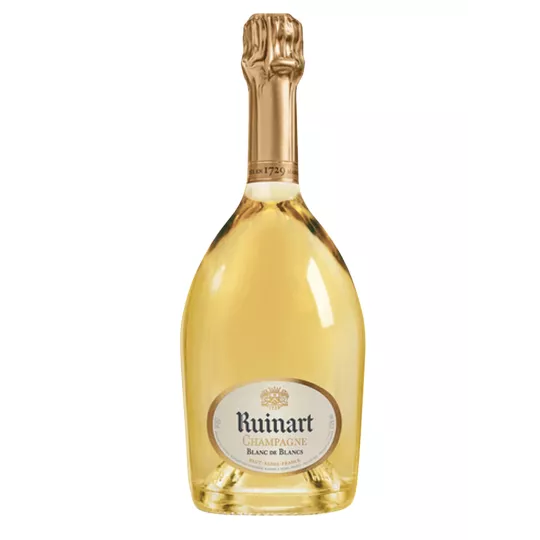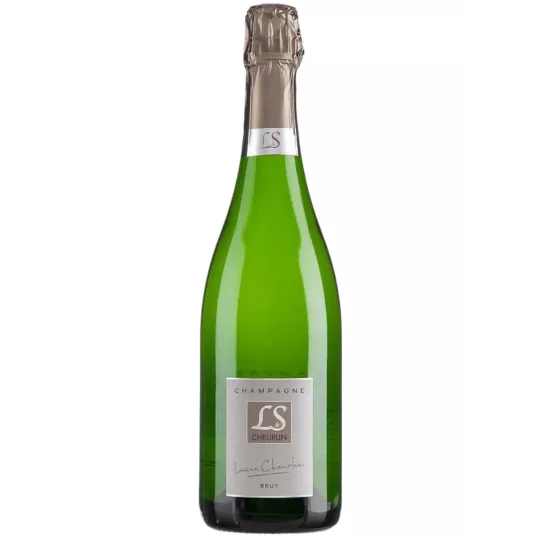
Champagne is often associated with traditional serving customs, established cellaring practices, and classic tasting...
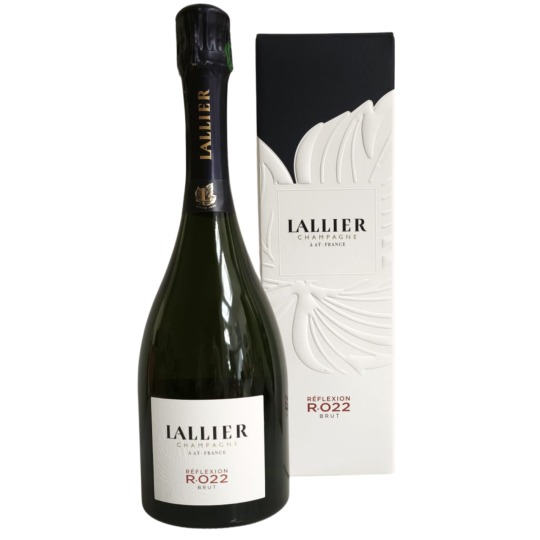


Champagne is often associated with traditional serving customs, established cellaring practices, and classic tasting...

Champagne is often associated with well-established benchmarks: classic blends, traditional aging, and instantly...

Opening a bottle of sparkling wine is traditionally associated with celebration, precision, and high winemaking...

Decoding Champagne producer codes offers a fascinating look into the craft and structure behind every bottle. Beyond...

Champagne is often associated with celebration and sophisticated dining, but understanding its nutritional and...







Getting the serving temperature right is one of the most critical steps in revealing the true aromatic complexity of fine sparkling wine. Serving champagne too cold masks its subtle nuances, while serving it too warm highlights alcohol and softens the natural effervescence. Whether preparing a refreshed aperitif or opening a rare cuvée for dinner, controlling thermal balance allows every bottle to express its distinct terroir, dosage, and vinification style properly.
This guide explores ideal thermal ranges for different styles, effective rapid-cooling techniques, and common temperature errors to avoid.
Every bottle requires precise thermal handling to ensure that delicate fruit notes, mineral tension, and yeast autolysis remain fully balanced on the palate.
       Ideal Temperature Spectrum
--------------------------------------------------
 6°C - 8°C   │ Non-Vintage & Light Aperitifs
 8°C - 10°C  │ Standard Brut, Blanc de Blancs, Rosé
10°C - 12°C  │ Vintages, Prestige Cuvées, Oak-Aged
For standard non-vintage cuvées, crisp Blanc de Blancs Champagne, and vibrant Rosé champagne, the optimal serving window sits between 8°C and 10°C. Within this range, carbon dioxide dissolves smoothly, yielding refined effervescence without numbing sensitive olfactory receptors.
Lighter aperitif styles or entry-level Brut Champagne can be served slightly cooler, around 6°C to 8°C. Lower temperatures accentuate crispness and structural acidity, providing a crisp, refreshing mouthfeel during warm weather or informal gatherings.
Mature expressions demand gentler handling. Complex Champagne vintages, oak-aged wines, or full-bodied Blanc de noirs Champagne open up best between 10°C and 12°C. Elevated warmth allows secondary and tertiary aromas—such as brioche, dried fruit, roasted nuts, and subtle spice—to unfold fully without being suppressed by coldness.
When unexpected guests arrive or dinner is ready sooner than planned, rapid chilling techniques bring a bottle down to temperature without compromising quality.
Proper service extends beyond initial chilling. Maintaining temperature stability during pouring ensures a consistent tasting experience from the first glass to the last.
According to technical service recommendations from the Comité Champagne, keeping bottles in an ice-water mixture remains the gold standard for temperature maintenance throughout service.
Avoid these frequent service mistakes to preserve the natural structure, bubble size, and aromatic profile of fine sparkling wine.
An ideal serving temperature enhances balance, highlights fine craftsmanship, and honours the traditional methods behind every bottle. By applying correct chilling techniques and adapting serving temperatures to specific cuvées, every bottle delivers its intended depth and character.
How do you usually chill your champagne bottles for special occasions?
 Champagne-based cocktails Champagne rosé Serve a good champagne Where to buy Deutz champagne ? How to choose the right champagne to accompany a meal ?