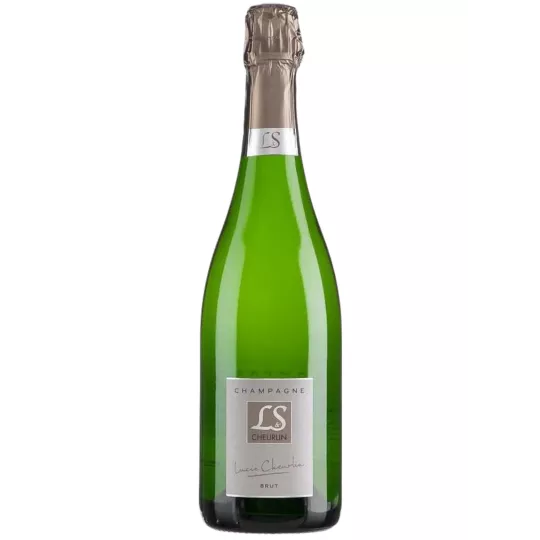
Hosting an educational champagne tasting at home is an excellent way to explore the unique diversity of the Champagne...
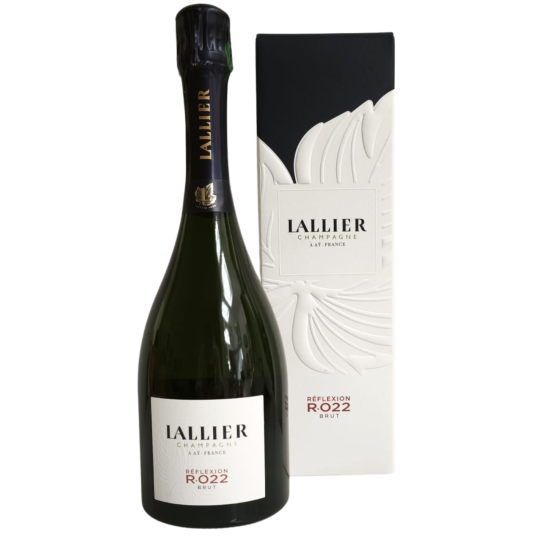


Hosting an educational champagne tasting at home is an excellent way to explore the unique diversity of the Champagne...

A Distinctive Craft: Unlike the common Rosé d'Assemblage—which blends still red wine into a white base—Champagne...
Brut Nature, also known as Zero Dosage, is the driest classification of Champagne, crafted without any added sugar...

Selecting the ideal champagne as a gift involves matching the structural profile of the wine to the specific nature...

Choosing a Champagne depends primarily on the production philosophy you wish to experience in your glass. On one...




When selecting beverages for a tasting menu, cheese and wine are classic partners. However, while culinary habits frequently favor red wines, structural analysis shows that heavy tannins often clash with the lactic acidity and creamy texture of dairy. Champagne offers a technically superior alternative. The natural acidity, carbon dioxide bubbles, and structural nuances of French sparkling wine cut through fats and refresh the palate without overwhelming the delicate profiles of artisanal cheeses.
Constructing a balanced Champagne and cheese pairing requires understanding how grape varieties, fermentation methods, and yeast autolysis interact with different rind types and aging periods. This pedagogical guide provides clear, descriptive rules to align structural intensities, helping you make informed decisions for your next tasting menu.
To establish a successful pairing, we must examine the physical components of both products. Cheese is rich in lipids, proteins, and salt, which coat the sensory receptors of the tongue. Champagne counters this physical coating through three natural elements:
A balanced Champagne Brut serves as an excellent starting point for tastings. Its moderate sugar levels and crisp structural backbone allow it to match a wide array of semi-hard alpine cheeses. For detailed analytical specifications on the geographic rules of these wines, refer to the official guidelines established by the Comité Champagne.
A single bottle cannot accommodate every rind type. To achieve balance, you must match the physical weight and aromatic intensity of the cheese with the specific vinification style of the wine.
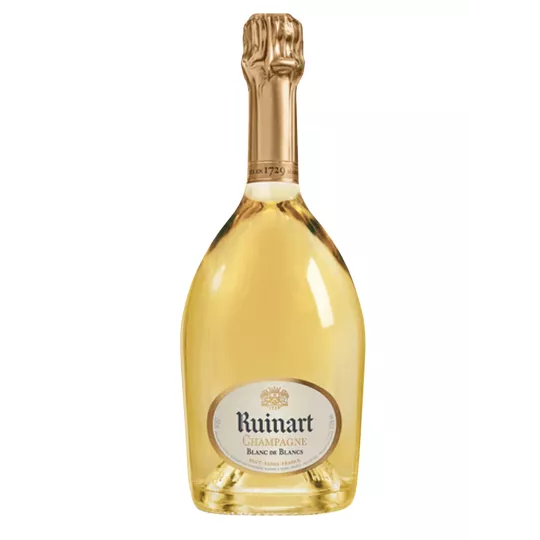
Double and triple-cream cheeses like Brillat-Savarin, Chaource, or traditional Brie have a high fat content that requires high acidity to maintain balance. A vibrant Blanc de Blancs Champagne, crafted exclusively from white Chardonnay grapes, offers the clean citrus profile and mineral tension necessary to pierce through the buttery texture of these cheeses without masking their milky notes.
As cheeses like Comté, Gruyère, or Beaufort age, they lose moisture and develop concentrated savory, nutty profiles alongside amino acid crystals. These mature profiles demand wines with equivalent depth. Highly structured Champagne vintages, which have spent several years undergoing slow secondary fermentation in dark cellars, develop complex tertiary notes of dry fruits, brioche, and toasted nuts that align with the rustic flavors of aged cheeses.
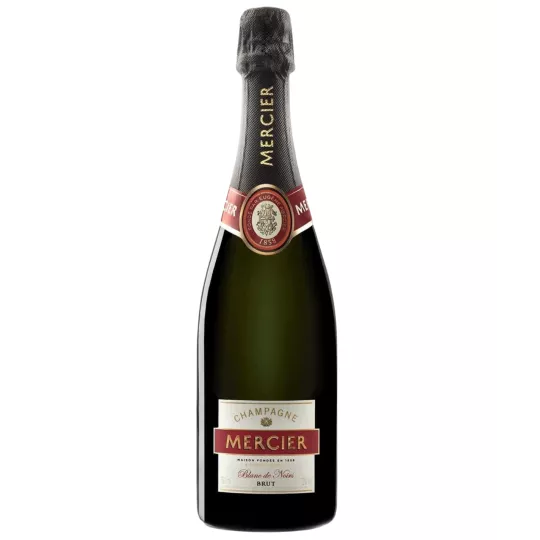
Washed-rind cheeses such as Reblochon, Taleggio, or young Epoisses feature strong, earthy aromas but retain a relatively mild, creamy interior. These cheeses require a wine with sufficient body and structure. A robust Blanc de noirs Champagne—made from black grape varieties like Pinot Noir and Meunier—provides the vinous weight and dark berry undertones needed to support the powerful aromatic presence of these rinds.
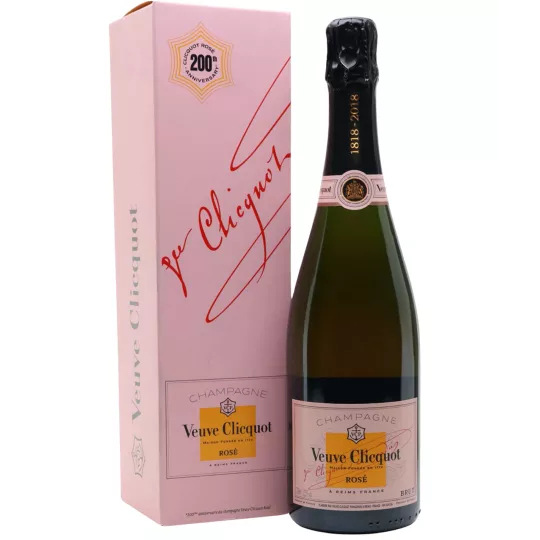
Goat cheeses offer a high natural acidity and characteristic herbal notes, whereas sheep's milk options like Ossau-Iraty present a subtle, oily sweetness. A fresh, berry-forward Rosé champagne creates a pleasant contrast, softening the tangy edge of young goat cheese while highlighting the delicate herbaceous elements of the milk.
Sensory perception is heavily influenced by physical serving conditions. To evaluate your pairings accurately, respect the following technical parameters:
For those interested in exploring how organic viticulture influences the final structure of the wine, pairing cheeses with an Organic Champagne can yield distinct mineral profiles and a pure expression of the terroir.
To maintain balance on the palate, avoid these common structural mismatches:
While a rounder Demi-sec Champagne can complement specific dessert profiles, its residual sugar reacts poorly when combined with fresh cheeses heavily seasoned with garlic, chives, or strong truffles, resulting in a metallic taste.
Certain historical producers are known for highly powerful, wood-aged, and Pinot-heavy profiles. For example, the structured, deep expressions of Bollinger or the complex, biodynamic creations of Leclerc Briant require robust, aged cheeses. Pairing them with young, fresh mozzarella or ricotta will completely mask the delicate, milky flavors of the cheese.
Blue cheeses like Roquefort or Stilton contain high concentrations of salt and active mold cultures. Combining them with an ultra-dry Brut nature Champagne can create an unpleasant, bitter sensation on the tongue due to the absence of residual sugar. Instead, opt for structured, balanced bottles from classic houses like Ruinart or Charles Heidsieck, which provide the yeast-driven creaminess required to balance the salt.
Pairing champagne with cheese is an educational journey into how acidity, salt, fat, and bubbles interact. By aligning the age and structure of the cheese with the grape variety and dosage of the wine, you can create balanced, harmonious combinations. Exploring different styles allows you to discover the profound diversity of the Champagne region's terroirs.
 A Story Of Friendship: Champagne Pol Roger and Sir Winston Churchill Champagne-based cocktails Champagne rosé Serve a good champagne Where to buy Deutz champagne ?