
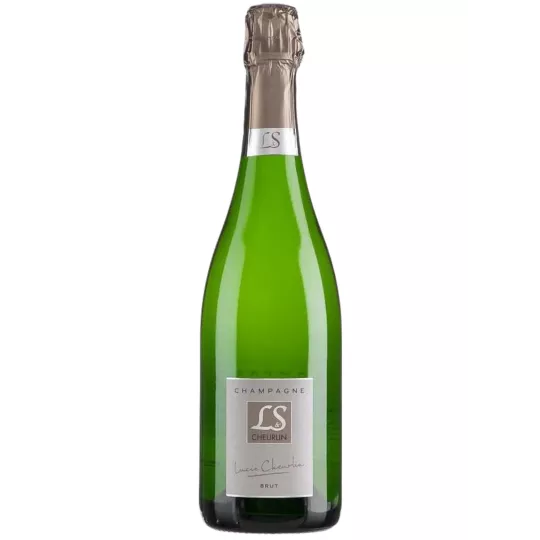
Hosting an educational champagne tasting at home is an excellent way to explore the unique diversity of the Champagne...
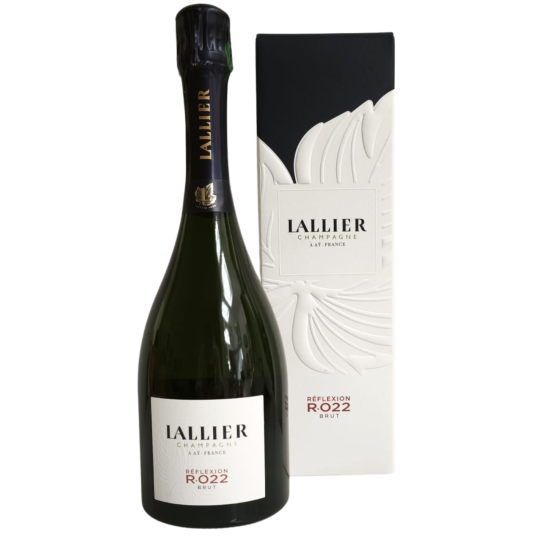


Hosting an educational champagne tasting at home is an excellent way to explore the unique diversity of the Champagne...
A Distinctive Craft: Unlike the common Rosé d'Assemblage—which blends still red wine into a white base—Champagne...
Brut Nature, also known as Zero Dosage, is the driest classification of Champagne, crafted without any added sugar...

Selecting the ideal champagne as a gift involves matching the structural profile of the wine to the specific nature...

Choosing a Champagne depends primarily on the production philosophy you wish to experience in your glass. On one...
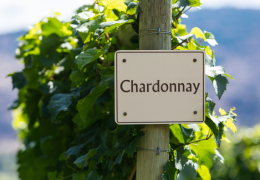




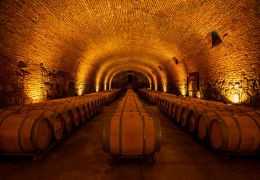
Découvrez les secrets de fabrication qui façonnent l'identité de vos cuvées préférées en plongeant au cœur du travail des chefs de cave. Ce guide technique vous révèle comment le choix du contenant lors de la première fermentation transforme radicalement le profil d'un Champagne. Vous comprendrez ainsi la différence entre la vinification traditionnelle en fûts de chêne, qui apporte de la rondeur et de la complexité grâce à une micro-oxygénation maîtrisée, et la modernité des cuves en acier...
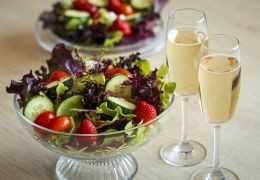
Combining vegetarian gastronomy with the excellence of Champagne requires a technical understanding of aromatic balances. Far from being limited to traditional pairings, plant-based cuisine offers a wide range of textures—from the earthiness of root vegetables to the delicate crunch of seasonal greens—that interact beautifully with different grape varieties. By focusing on the structural components of the wine, such as acidity levels and yeast-driven complexity, enthusiasts can create...
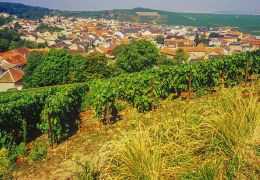
Climate Adaptation: Evolution of the Champagne Vineyard Facing the reality of global warming, the Champagne region is undergoing a profound transformation to preserve the quality of its production. Winegrowers are now implementing innovative strategies, such as modifying canopy management to shade the fruit and rethinking soil health through cover cropping. These technical adjustments, combined with a precise analysis of the terroir, allow for a better regulation of grape maturity,...
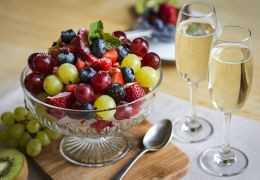
Pairing Champagne with fruit salad is a technical exercise in balancing the natural acidity of fresh fruit with a wine’s specific dosage. To achieve a successful harmony without masking the delicate aromatic nuances of the cuvée, it is essential to understand the chemical interaction between fructose and effervescence. A methodical selection ensures that the wine complements the seasonal produce while respecting the oenological structure and craftsmanship of each bottle. Whether your...
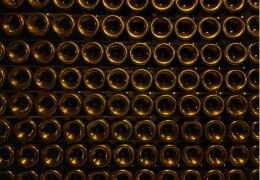
Le champagne rosé peut se conserver plus ou moins longtemps selon sa typologie, son millésime, sa méthode d’élaboration et ses conditions de stockage. Entre rosé d’assemblage, rosé de saignée, cuvée non millésimée ou champagne rosé millésimé, chaque bouteille évolue différemment en cave. Dans cet article, découvrez combien de temps garder un champagne rosé, comment préserver sa fraîcheur aromatique et quels signes permettent de savoir si une bouteille est encore à son apogée. Un guide...