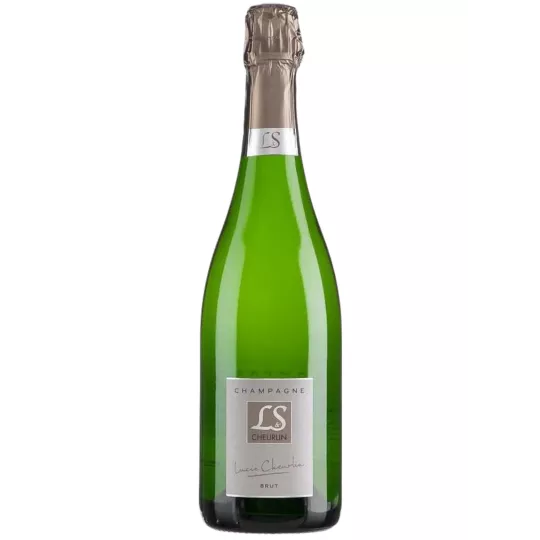
Choosing between Champagne, Prosecco, and Cava can be challenging when navigating the world of fine sparkling wines....
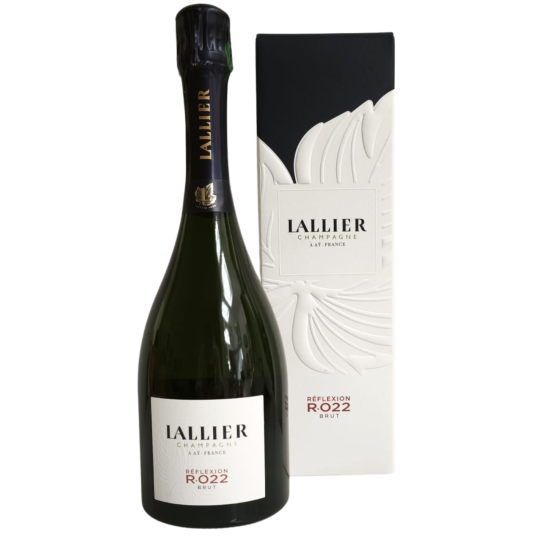


Choosing between Champagne, Prosecco, and Cava can be challenging when navigating the world of fine sparkling wines....

Hosting an educational champagne tasting at home is an excellent way to explore the unique diversity of the Champagne...

A Distinctive Craft: Unlike the common Rosé d'Assemblage—which blends still red wine into a white base—Champagne...

Brut Nature, also known as Zero Dosage, is the driest classification of Champagne, crafted without any added sugar...

Selecting the ideal champagne as a gift involves matching the structural profile of the wine to the specific nature...







We have all experienced this scenario: a pleasant dinner party or family gathering has concluded, and you are left with a half-empty Bottle of champagne. Because champagne is a living, effervescent wine, exposing it to the open air triggers a steady loss of carbon dioxide and initiates the oxidation process. Finding a reliable way to keep the sparkle intact is essential to enjoying the remaining pours at their absolute best.
Whether you are preserving a delicate Blanc de Blancs Champagne or a structured, full-bodied blend, maintaining the internal pressure of the bottle is your primary objective. This practical guide shares the physical science behind champagne bubbles, reliable conservation methods, and common storage mistakes to avoid. By using correct structural techniques, you can easily preserve the character of your wine for days.
To successfully preserve a sparkling wine, it helps to understand why the bubbles escape. The sparkle in champagne comes from a secondary fermentation inside the bottle, which dissolves carbon dioxide ($CO_2$) under high pressure—often reaching 5 to 6 atmospheres. When you release the cork, this built-up pressure drops, and the gas begins to escape back into the atmosphere in the form of rising bubbles.
The rate at which gas escapes is directly tied to temperature. In warmer liquids, gases become significantly less soluble and escape much faster. This is why immediate temperature control is critical when learning how to store opened champagne. Keeping the liquid as close to freezing as possible helps retain the dissolved carbon dioxide within the wine, keeping it crisp and structural for the next tasting.
You can easily preserve the freshness of your open bottle for up to three or four days by adopting a disciplined, professional routine:
Never attempt to force a standard wooden cork back into the bottle neck. Because of the building pressure inside, a regular cork can easily pop out in your refrigerator. Instead, use a professional, spring-loaded hermetic champagne stopper. These accessories seal tightly around the glass rim, keeping the pressure locked inside the bottle. This seal forces the escaping $CO_2$ back into the wine, keeping it sparkling. If you enjoy hosting dinner parties, owning proper preservation tools is just as important as using high-quality Champagne glasses to appreciate the wine's nose.
While sealed bottles are stored horizontally in dark cellars to keep the cork moist, opened bottles must always stand upright. Storing the bottle vertically minimizes the surface area of the liquid exposed to the oxygen trapped inside the empty neck. This simple structural placement significantly slows down oxidation and helps retain the bubbles.
Place your sealed bottle in the coldest section of your refrigerator right away. Avoid placing it in the refrigerator door. The constant movement and slight temperature fluctuations from opening and closing the door will agitate the liquid, accelerating the loss of carbonation. Keep the bottle resting undisturbed at a steady temperature around 4°C to 6°C.
The natural structure of your wine plays a significant role in how well it holds up to oxygen exposure over several days. Different styles and production methods react differently to storage:
One of the most widespread myths in the culinary world is that hanging a silver spoon or teaspoon bowl-down in the neck of an open bottle will keep the bubbles alive. Proponents claim that the cold metal cools the air inside the neck, creating a dense air block that prevents the gas from escaping. This theory has been thoroughly tested and disproven by professional wine laboratories.
Controlled experiments show that an open bottle containing a spoon loses its carbonation at the exact same rate as an open bottle left completely bare. Indeed, the official guidelines from the Comité Champagne confirm that a spoon does absolutely nothing to prevent your champagne from going flat. Only an airtight, pressurized seal can successfully keep the bubbles dissolved in the liquid.
To preserve the delicate aromas and lively fizz of your sparkling wines, make sure to avoid these common mistakes:
If your champagne eventually goes flat, do not pour it down the sink. Flat champagne is still high-quality white wine. You can use it to create delicious sauces for fish, add it to a risotto, or turn it into a refreshing wine vinaigrette for your salads.
 What is special about saignée rosé champagne ? Exploring the World of Champagne: Myths, Facts, and Surprising Varieties Not Sure What Champagne To Buy? Ask The Expert! Satchells Wines & Champagne: Quality, Tradition, and Expertise Durian Chocolate Tiramisu with Champagne-Glazed Cherries