

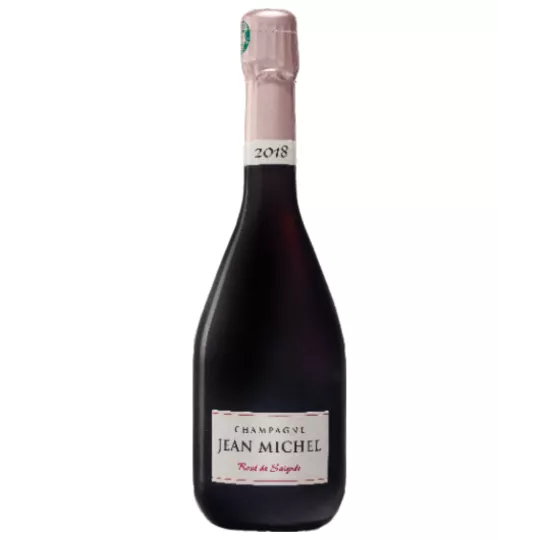
Rosé De Saignée
Your selection of Champagne (11 products)
On sale
Online only On sale! -€49.00 Out-of-Stock
-€32.00
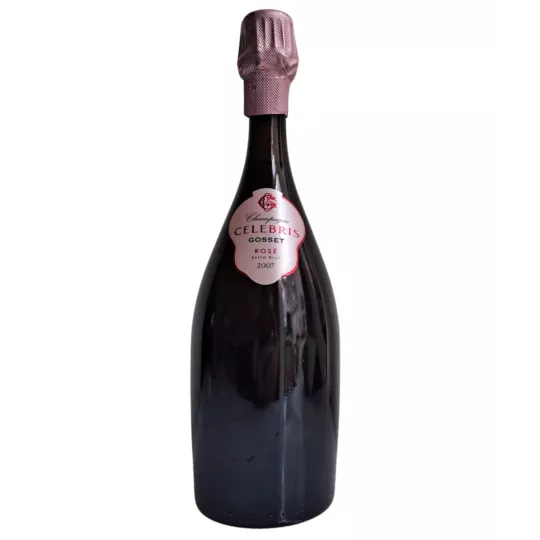
-€52.00 Out-of-Stock

On sale! -€30.00
On sale! -€30.00
-€6.50 Out-of-Stock
Champagne Rosé de Saignée: The unique taste of a bottle of Champagne
Champagne Rosé de Saignée is obtained by maceration of grape skins to give a fruity and delicate taste. Discover the unique characteristics of this type of champagne.
Discover the Charm of Champagne Rosé de Saignée
Welcome to our category dedicated to Champagne Rosé de Saignée, a gem from the world of champagnes that deserves your full attention. This method, used for many years by masters of the art of champagne, is a true feat of delicacy and flavors. In this section, we will explore this unique process in detail, going through the stages of its creation, its characteristics, and why it is considered a safe bet for champagne connoisseurs and lovers.
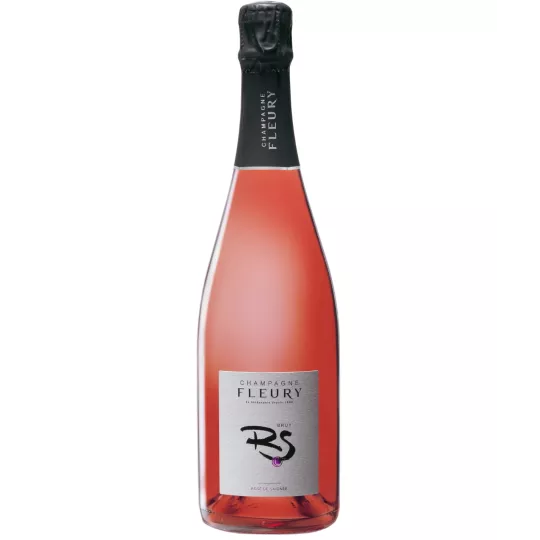
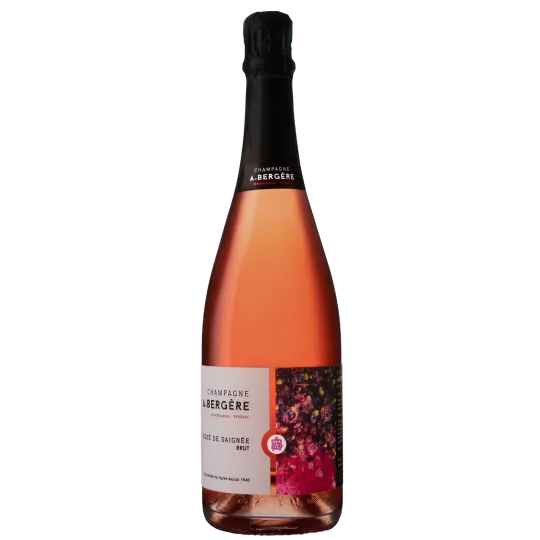
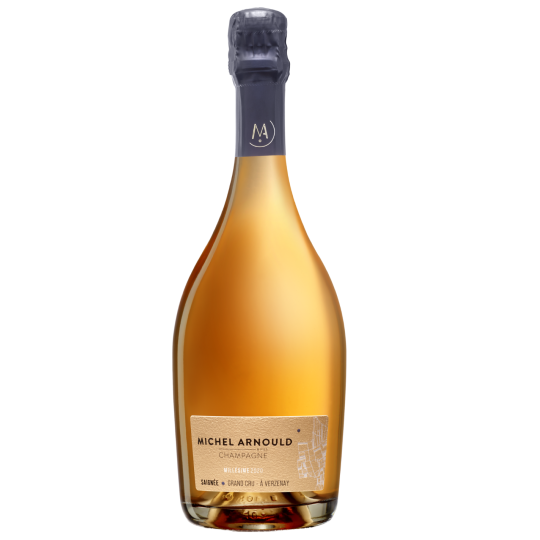
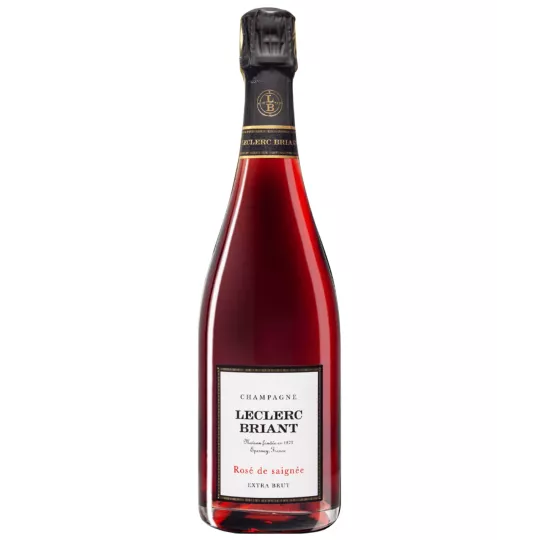
Out-of-Stock
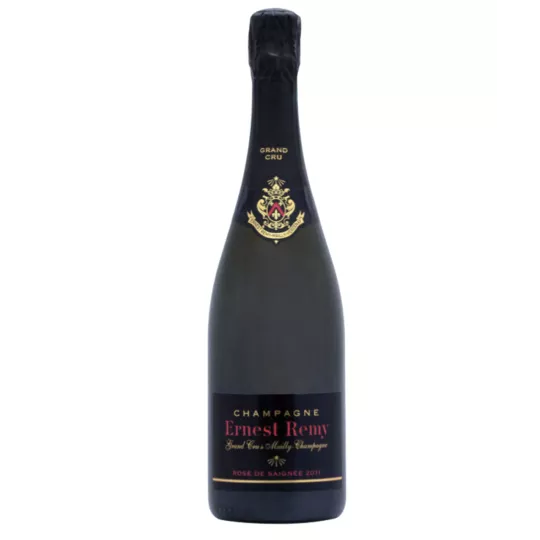
Out-of-Stock
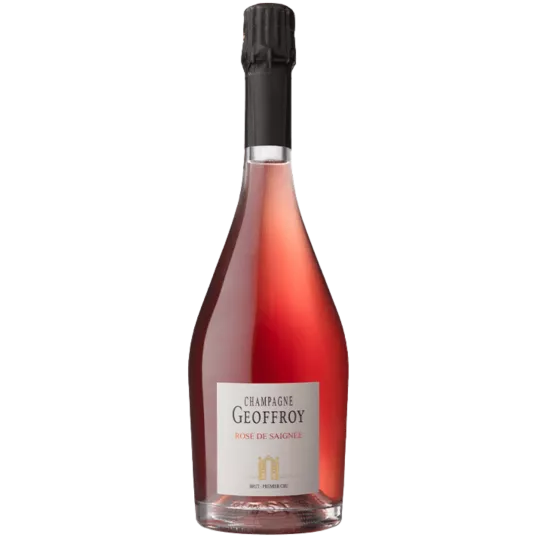
Out-of-Stock
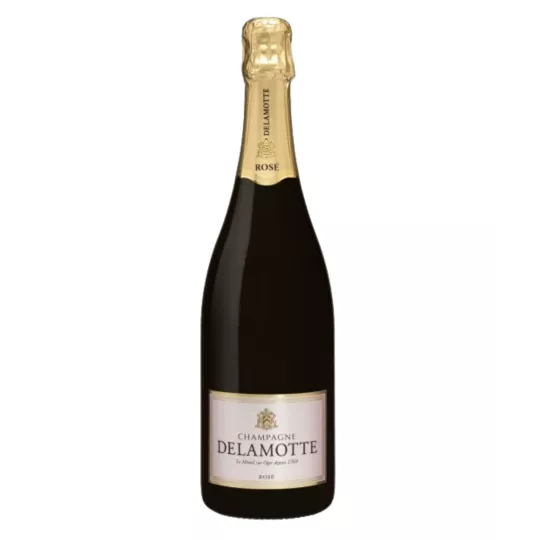
Out-of-Stock
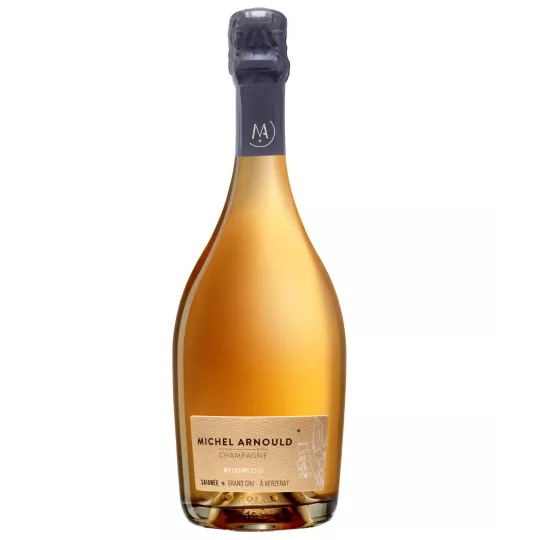
Out-of-Stock
Out-of-Stock
FAQ about Rosé De Saignée
What is rosé champagne made using the saignée method?
Rosé champagne made using the saignée method is a type of rosé champagne obtained by macerating black grapes (Pinot Noir and/or Meunier). This method involves leaving the grape skins in contact with the juice for a short period, generally 24 to 48 hours, in order to extract the desired color and aromas.
How is rosé de saignée made?
Rosé de saignée is made by macerating destemmed and crushed black grapes with their skins. After controlled maceration, the juice is separated from the skins by bleeding, then fermented to become still wine. The wine then undergoes a second fermentation in the bottle to develop its characteristic bubbles.
What is special about rosé Champagne made using the saignée method?
The distinctive feature of rosé Champagne made using the saignée method lies in its production process, which involves maceration. This gives it a more intense color and more powerful aromas than blended rosé. It is often described as richer, more vinous, and fruitier, with pronounced notes of red berries.
How is rosé Champagne made using the saignée method?
To produce rosé Champagne using the saignée method, the key steps include harvesting ripe black grapes, destemming and crushing the berries, followed by controlled maceration to extract the desired color and aromas. After the saignée process, the juice is fermented and then bottled for secondary fermentation, according to the traditional Champagne method.
What makes rosé Champagne made using the saignée method pink?
The pink hue of rosé Champagne made using the saignée method comes from natural pigments (anthocyanins) present in the skins of black grapes. During maceration, these pigments diffuse into the juice, giving it its characteristic color, the intensity of which depends on the duration of maceration.
When to drink rosé champagne made using the saignée method?
Rosé champagne made using the saignée method is versatile and can be enjoyed on a variety of occasions. Thanks to its structure and intense aromas, it pairs perfectly with dishes such as white meats, seafood, spicy dishes, or red fruit desserts. It is also ideal for celebrations or festive occasions.