Decoding Champagne producer codes offers a fascinating look into the craft and structure behind every bottle. Beyond...
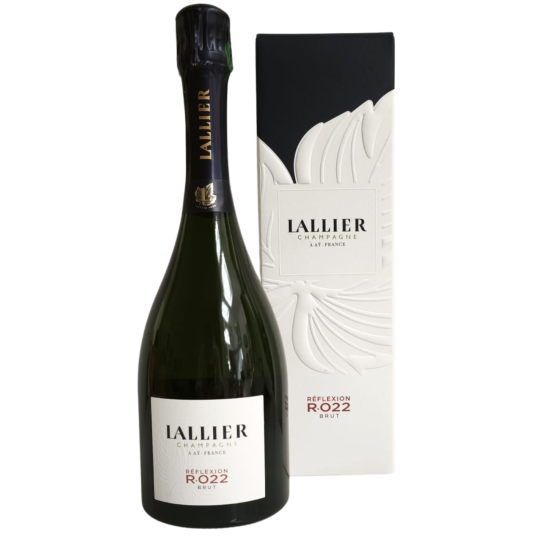


Decoding Champagne producer codes offers a fascinating look into the craft and structure behind every bottle. Beyond...

Champagne is often associated with celebration and sophisticated dining, but understanding its nutritional and...

Planning the ideal beverage quantities for a wedding, reception, or dinner party requires an accurate understanding...

Choosing between Champagne, Prosecco, and Cava can be challenging when navigating the world of fine sparkling wines....

Hosting an educational champagne tasting at home is an excellent way to explore the unique diversity of the Champagne...







Malolactic fermentation is a critical chemical process that shapes the structure, balance, and aromatic profile of Champagne. While the initial alcoholic fermentation converts grape sugars into alcohol, this secondary bacterial transformation alters the actual nature of the wine's acidity. Understanding this step provides deep insight into why different bottles exhibit distinct textures, ranging from razor-sharp freshness to creamy, rounded complexity.
For wine enthusiasts looking to explore these technical nuances, analyzing how different houses approach this process is highly educational. This guide explains the science behind malolactic fermentation, details why some producers block it to maintain a vibrant profile, and breaks down how it impacts the final texture of the wine.
Malolactic fermentation, often abbreviated as MLF, is not actually a true fermentation driven by yeast. Instead, it is a bacterial conversion conducted by lactic acid bacteria, primarily Oenococcus oeni. This process typically takes place shortly after the primary alcoholic fermentation is complete.
During MLF, the bacteria consume sharp, green-apple-like malic acid and convert it into softer, creamier lactic acid. A natural byproduct of this reaction is diacetyl, a compound that contributes subtle buttery, nutty, or dairy notes to the liquid.
Malic Acid (Sharp, Green Apple) ──[Lactic Acid Bacteria]──> Lactic Acid (Soft, Milky) + Diacetyl
In the cool climate of the Champagne region, grapes naturally develop high concentrations of malic acid due to limited sunshine and low temperatures. Producers must make a deliberate technical decision: allow this natural conversion to take place, or block it entirely using temperature control and sulfur dioxide filtration.
Blocking malolactic fermentation requires strict temperature control, keeping the cellars cool to prevent the bacteria from becoming active. Producers who choose this path aim to preserve the maximum amount of natural malic acid to ensure long-term aging potential and structural tension.
Houses that block MLF value a linear, vertical, and highly refreshing style. By keeping the malic acid intact, the resulting wine retains a piercing, crisp acidity that cuts through rich food pairings. This style is highly apparent in specific categories like Champagne Extra Brut or Zero Dosage expressions, where no sugar is added to mask the natural structural sharpness.
Several historic houses are famous for blocking MLF across their entire production range:
Producers who craft targeted varietal styles, such as a crisp Blanc de Blancs, often limit MLF to highlight the chalky, citrus-forward purity of the Chardonnay grape.
Conversely, allowing malolactic fermentation to run its course creates a fundamentally different structural experience. The conversion of malic to lactic acid reduces the perceived acidity, making the mouthfeel rounder, more approachable, and broader on the palate.
When MLF is completed, the wine develops a velvety texture. The sharp edges of the northern climate are softened, replacing aggressive tartness with a smooth, creamy mid-palate. Aromatically, the presence of diacetyl introduces complex notes of brioche, fresh butter, biscuit, and toasted nuts. This structural roundness is particularly beneficial for a standard Champagne Brut, ensuring consistency and immediate accessibility upon release.
The vast majority of Champagne producers allow full malolactic fermentation to occur. This approach defines the signature style of several major houses:
According to technical specifications regulated by the official Comité Champagne, MLF is entirely optional, leaving the choice to each house to define its unique sensory identity.
The structural difference between a wine that has undergone MLF and one that has not is instantly noticeable during tasting. This structural choice impacts three main areas:
| Structural Element | MLF Completed | MLF Blocked / Avoided |
|---|---|---|
| Acidity Profile | Soft, creamy, lactic, integrated | Sharp, linear, vibrant, malic |
| Mouthfeel | Round, velvety, broad, coating | Crisp, vertical, precise, cleansing |
| Primary Aromas | Brioche, fresh butter, pastry, ripe fruit | Green apple, citrus zest, flint, chalk |
The decision becomes even more critical during exceptional harvest years. When crafting a Champagne vintage, winemakers must analyze the natural acidity levels of that specific year. In hot vintages, winemakers might block MLF to save disappearing acidity. In exceptionally cold, high-acid years, they may encourage full MLF to prevent the wine from tasting overly harsh or aggressive.
When organizing a tasting or selecting a bottle for a meal, keeping the malolactic fermentation style in mind can help you make an informed decision.
To fully appreciate how MLF alters texture, serve non-MLF wines slightly warmer (around 10°C) to allow the intense acidity to soften in the glass. Utilize high-quality Champagne Glasses with a wider bowl rather than narrow flutes, as increased air exposure helps develop the complex aromatic layers produced by both styles of fermentation.
To truly understand Champagne structure, it is helpful to clear up a few frequent misconceptions regarding this biochemical step.
Myth 1: Blocking MLF means the wine is lower quality.
This is incorrect. Blocking or allowing MLF is a purely stylistic and technical preference. Both methods can produce ultra-premium, age-worthy masterpieces.
Myth 2: MLF makes Champagne sweet.
MLF modifies acidity, not sugar. A wine that undergoes full malolactic fermentation remains technically dry unless a high dosage of sugar is added during the final bottling stage.
By recognizing how winemakers manipulate malic and lactic acids, you can better navigate the diverse world of Champagne, selecting bottles that perfectly align with your structural and stylistic preferences.
 A Story Of Friendship: Champagne Pol Roger and Sir Winston Churchill Champagne-based cocktails Champagne rosé Serve a good champagne Where to buy Deutz champagne ?