Planning the ideal beverage quantities for a wedding, reception, or dinner party requires an accurate understanding...


Planning the ideal beverage quantities for a wedding, reception, or dinner party requires an accurate understanding...

Choosing between Champagne, Prosecco, and Cava can be challenging when navigating the world of fine sparkling wines....

Hosting an educational champagne tasting at home is an excellent way to explore the unique diversity of the Champagne...

A Distinctive Craft: Unlike the common Rosé d'Assemblage—which blends still red wine into a white base—Champagne...
Brut Nature, also known as Zero Dosage, is the driest classification of Champagne, crafted without any added sugar...




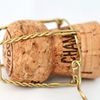

When exploring the complex world of French viticulture, the technical terms on a wine label offer essential clues about the history and structural profile of the liquid inside. Among the most prestigious indications you can encounter are the designations of Grand Cru and Premier Cru. While both categories signal that the grapes originate from some of the most respected terroirs in the historical Champagne region, they represent distinct tiers within a rigid, legally protected classification system. Understanding the exact difference between grand cru and premier cru champagne allows wine enthusiasts to navigate historical classifications, decipher regional standards, and appreciate how the natural environment influences viticulture. This guide provides an analytical breakdown of the regional hierarchy, production factors, and serving practices, allowing you to build technical confidence without commercial bias.
To understand the structural division between these designations, one must examine the historical framework known as the Échelle des Crus (Scale of Growths). Established during the early 20th century, this administrative system was initially devised as a fixed pricing mechanism to determine the monetary value of grape harvests across different villages. Unlike the plot-based vineyard classifications used in regions like Burgundy, this specific system evaluates and classifies entire villages as single entities based on their geographical attributes.
Under this traditional scale, each village within the regulated appellation boundaries was awarded a specific percentage rating ranging from 80% to 100%. This percentage dictated the exact price a merchant would pay a grower for their grapes relative to the maximum market price set for that harvest year. The historical classification details and evolving technical frameworks are strictly archived and maintained by the official regional authority, the Comité Champagne, which oversees production laws.
Although the mandatory pricing system was officially dismantled in the late 20th century to comply with modern trade regulations, the geographical hierarchy remains an active indicator of specific soil characteristics, slope exposures, and microclimates.
The 17 villages designated as Grand Cru represent the elite tier of the regional geography, covering less than 9% of the total planted vineyard surface. These specific sites are concentrated in highly specific sub-regions, notably the Côte des Blancs, which is heavily associated with specialized white grape varieties, and the Montagne de Reims, which is recognized for structured black grape varieties. When a bottle is classified as a Grand Cru Champagne, it signifies that the source material comes exclusively from these top-rated villages.
The defining element of these sites is the specific composition of the soil. The subsoil consists of a thick layer of high-porosity Cretaceous chalk. This geological structure acts as a natural hydrological regulator, absorbing excess water during heavy rainfall and releasing it back to the vine roots via capillary action during dry spells. Because the roots are forced to dig deep into the chalky layers to find nutrients, the resulting fruit possesses a high concentration of natural acids and structural phenolics. This specific terroir profile gives the finished wine a pronounced longevity, structural weight, and a precise, linear mineral character that develops over years of careful cellaring.
The 44 villages categorized within the second tier represent a broader geographical footprint across the appellation. Because a Premier cru Champagne can originate from a wider variety of hillsides, these wines showcase an exceptional diversity of microclimates and soil transitions. The soils in these areas often combine the regional chalk foundation with varying amounts of clay, sand, and limestone marl.
Winemakers highly value these vineyards for their aromatic flexibility and reliable structural components. This balanced nature makes them excellent blending components or expressive single-vineyard bottlings. Historically, major houses have relied on these premium locations to establish consistency across their collections. For example, the precise historical methods utilized by established producers like Veuve Clicquot heavily integrate these highly rated grape sources to maintain depth, aromatic complexity, and structured volume across their non-vintage and vintage assemblages.
Choosing between these two classifications depends heavily on the intended context of your tasting, the technical profile you prefer, and the culinary pairing you wish to design. Both tiers offer exceptional technical precision but express their foundational fruit differently based on the producer's choices.
A critical rule regarding these designations concerns the purity of the grape origin. For a bottle to display either "Grand Cru" or "Premier Cru" on its front label, 100% of the grapes used to create that specific wine must originate from villages holding that exact rank. If a producer blends 98% Grand Cru grapes with just 2% grapes from a Premier Cru vineyard, the entire cuvée must step down and be labeled under the lower classification. If any grapes from unrated villages (80% to 89% on the scale) are introduced, the bottle cannot display any Cru status at all, even if the vast majority of the blend comes from elite sites.
The village status does not dictate the color or specific grape breakdown of the wine. A classified bottle can be an assemblage of multiple varieties, or a focused single-style expression. For instance, a dedicated Blanc de Blancs Champagne is made entirely from white grapes, usually Chardonnay, and emphasizes a sharp, citrus-driven, and highly mineral profile when sourced from top-tier chalk slopes. Conversely, a Blanc de noirs Champagne is vinified exclusively from black grape varieties like Pinot Noir and Meunier, delivering a completely different structural weight, broader shoulders, and red-fruit aromatic markers while remaining within the exact same village rating tier.
To ensure that the structural attributes of these classified terroirs are accurately perceived during a tasting, specific serving parameters should be strictly maintained. Muting the technical characteristics of a high-tier wine through improper handling limits the tasting experience.
Navigating historical wine classifications can sometimes lead to administrative misunderstandings. Discerning tasters should avoid specific analytical errors when reading labels.
While the village rating indicates the natural potential of a geographical site, the final quality in the glass depends entirely on human intervention, sustainable viticulture, and precise cellar work. A dedicated, independent grower practicing low-yield farming in an unrated village can easily surpass a negligent producer operating a high-yield vineyard within a 100% rated village. The viticultural philosophies employed by traditional houses like Bollinger prioritize long-term barrel maturation and rigorous vineyard sorting criteria, ensuring structural depth that often transcends simple administrative label designations.
Even within elite terroirs, the climate conditions of each growing season play a massive role. Unless you are tasting a multi-vintage blend designed for structural consistency, Champagne vintages from a single year will highly reflect that specific year's solar radiation, rainfall, and thermal trends, adding another layer of variation on top of the established Grand Cru or Premier Cru foundation.
The following table summarizes the technical differences discussed in the document "Exemple de post_2.docx" and the regional criteria outlined above:
| Technical Criteria | Grand Cru Designation | Premier Cru Designation |
|---|---|---|
| Historical Rating | Fixed at 100% on the scale | Ranging from 90% to 99% on the scale |
| Village Count | 17 officially classified villages | 44 officially classified villages |
| Soil Character | Predominantly pure, deep Cretaceous chalk | Varied mixes of chalk, clay, marl, and sand |
| Structural Style | High longevity, intense linear minerality | Aromatic openness, structural versatility |
| Blending Rule | Requires 100% Grand Cru source material | Requires 100% Premier Cru or higher source material |
In summary, checking these historical classifications provides an authentic insight into the geographical diversity of this northern viticultural region. Whether your preference leans toward the rigorous structural focus of a top-tier chalk hillside or the complex, accessible harmony of a secondary growth, each tier reflects a shared heritage of demanding production standards and terroir preservation.
 Buying Champagne Online : Everything you need to know The 4 Most Popular Types of Champagne : A Detailed Guide The history of champagne : From the Middle Ages to modern times Where to buy Ruinart champagne ? What is special about saignée rosé champagne ?