
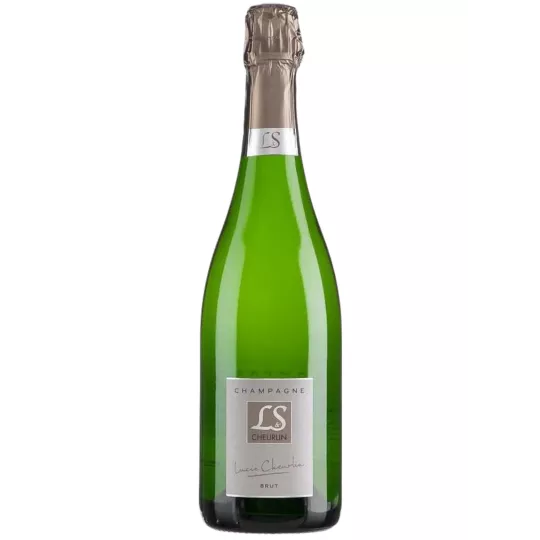
Hosting an educational champagne tasting at home is an excellent way to explore the unique diversity of the Champagne...
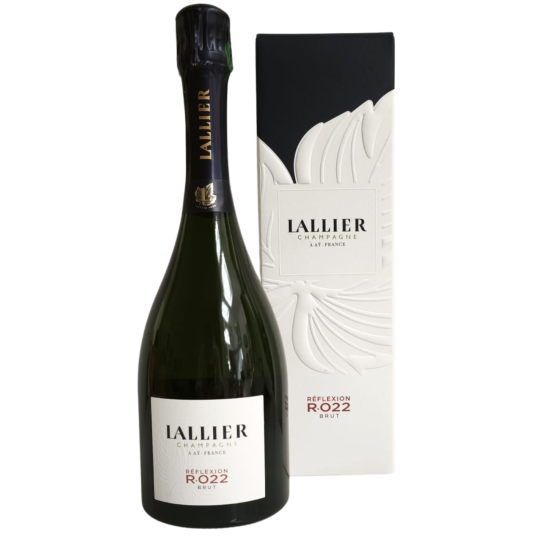


Hosting an educational champagne tasting at home is an excellent way to explore the unique diversity of the Champagne...
A Distinctive Craft: Unlike the common Rosé d'Assemblage—which blends still red wine into a white base—Champagne...
Brut Nature, also known as Zero Dosage, is the driest classification of Champagne, crafted without any added sugar...

Selecting the ideal champagne as a gift involves matching the structural profile of the wine to the specific nature...

Choosing a Champagne depends primarily on the production philosophy you wish to experience in your glass. On one...


Brut Nature, also known as Zero Dosage, is the driest classification of Champagne, crafted without any added sugar during the final bottling stage. By eliminating the traditional sweetening liqueur, winemakers offer an unadulterated expression of the wine's natural acidity, grape qualities, and chalky terroir. Producing balanced non-dosed sparkling wine requires optimal grape maturity, long yeast aging to build roundness, and often meticulous biodynamic farming practices. Because of its...
Selecting the ideal champagne as a gift involves matching the structural profile of the wine to the specific nature of the celebration. For classic milestones like weddings, a balanced Brut or an elegant Chardonnay-driven Blanc de Blancs from a prestigious house ensures broad appeal and traditional sophistication. For more intimate or reflective events, such as anniversaries, opting for structured vintage cuvées or bottles from independent grower-producers highlights a deep connection to...
Choosing a Champagne depends primarily on the production philosophy you wish to experience in your glass. On one hand, the major Champagne houses (identified by the "NM" designation) excel in the art of blending across multiple vintages. They source grapes from throughout the region to ensure a consistent, balanced, and globally renowned flavor profile, year after year. This is the ideal choice for a prestigious gift or to guarantee absolute reliability for life's major events. In contrast,...
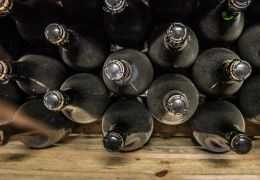
Preserving an open bottle of Champagne without losing its liveliness relies on strictly managing temperature and internal pressure. To slow the escape of carbon dioxide and limit contact with oxygen—which alters the aromas—the bottle must be immediately resealed with a special airtight stopper and stored upright in the coldest part of the refrigerator. Folk remedies, such as the famous silver teaspoon trick, have no scientific basis and prove completely ineffective at maintaining pressure. A...
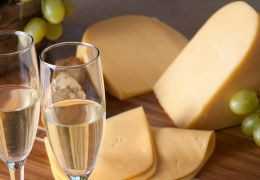
While wine and cheese are classic culinary partners, red wine's heavy tannins often clash with the creamy texture and lactic acidity of cheese. Champagne serves as an excellent alternative, using its natural acidity, effervescence, and complex autolytic notes (derived from yeast aging) to physically cut through fats, cleanse the sensory receptors of the tongue, and prevent palate fatigue during a tasting. To achieve a balanced pairing, the structure of the wine must align with the moisture...