
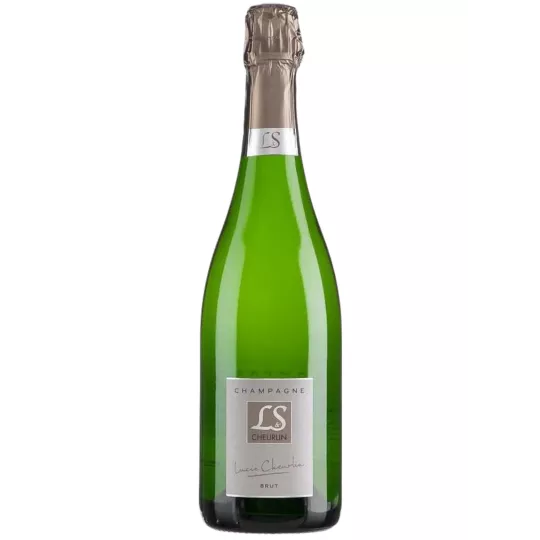
Hosting an educational champagne tasting at home is an excellent way to explore the unique diversity of the Champagne...
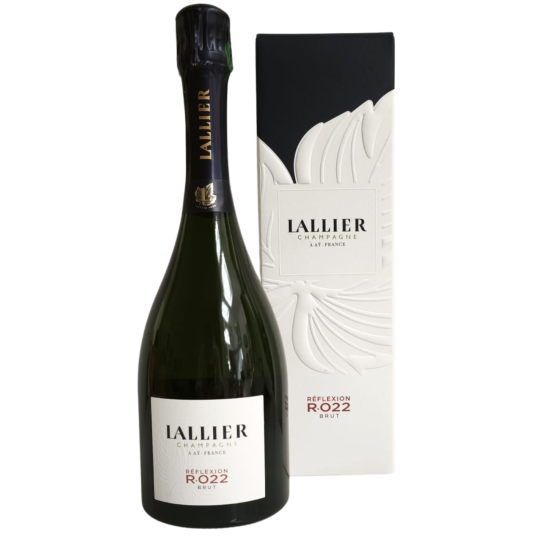


Hosting an educational champagne tasting at home is an excellent way to explore the unique diversity of the Champagne...

A Distinctive Craft: Unlike the common Rosé d'Assemblage—which blends still red wine into a white base—Champagne...
Brut Nature, also known as Zero Dosage, is the driest classification of Champagne, crafted without any added sugar...

Selecting the ideal champagne as a gift involves matching the structural profile of the wine to the specific nature...

Choosing a Champagne depends primarily on the production philosophy you wish to experience in your glass. On one...




Storing and serving champagne is a delicate process, as it can significantly affect the taste of the drink. To keep your champagne fresh, flavorful and aromatic for as long as possible, it is important to store and serve it properly.
When storing champagne, be sure to keep it in a cool environment at temperatures between 10-12°C (50-54°F). Avoid placing it in direct sunlight or in high places, as exposure to light can damage its flavors and overall quality. The best place to store champagne is either a cellar or a dark, temperature-controlled space. Also, always make sure the cap sits securely on top of the bottle to prevent air from getting in and spoiling the drink.
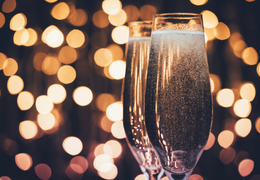
Serve champagne in appropriate glasses such as champagne flutes. These are glasses specially designed for sparkling wines: their elongated shape allows the bubbles to be retained and the delicate aromas of the drink to be highlighted while preventing them from dissipating too quickly. Also, be careful not to overfill your flutes - only fill them halfway so you can swirl the glass without spilling any liquid. By following these simple steps, you will enjoy your champagne experience to the fullest!

This comprehensive guide explores the analytical world of low-dosage and zero-dosage Champagnes, detailing the technical distinctions between Brut, Extra Brut, and Brut Nature categories. Driven by changing viticultural techniques and modern environmental shifts, contemporary cellarmasters increasingly eliminate the traditional final sugar additions to highlight the pure mineral profile of their vineyards. Readers will discover how precise grape maturity, structural acidity, and patient...

This guide explores the nuances of Champagne tasting and storage, highlighting the importance of temperature at every stage, from the cellar to consumption. It explains that the ideal storage temperature ranges between 10°C and 12°C to ensure optimal maturation of Champagne, while the serving temperature should be between 8°C and 10°C to fully reveal its delicate aromas and the finesse of its bubbles. The guide also discusses the typical alcohol content of Champagne, which is essential to...
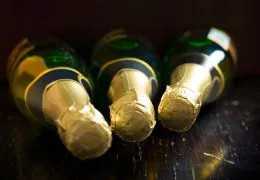
Discover the Diversity of Champagne Bottle Sizes Explore the world of champagne through its remarkable diversity, offering a wide range of bottle sizes from the quarter bottle to the Melchizedek, the most impressive format. This variety not only provides options suited to every occasion but also enhances the tasting experience, as each size carries its own name, history, and ideal context of use. Often inspired by biblical or historical references, these names bring a sense of mystery and...

This beginner champagne set offers an affordable and practical introduction to the world of sparkling wine. Priced under €10, it provides essential accessories designed to help newcomers open, serve, and enjoy champagne with confidence. It is an accessible entry point for anyone curious about discovering champagne in a structured and informed way. The set includes useful tools such as cork-removing pliers along with an informative booklet that explains proper serving techniques and tasting...
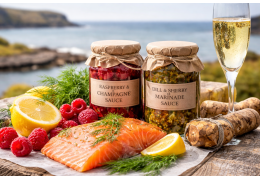
Orkney Herring, based in Stromness in the Orkney Islands, is a respected local producer known for crafting high-quality marinades and sauces enjoyed both in the UK and internationally. Drawing on regional heritage and artisanal expertise, the company offers a refined selection of flavorful products designed to elevate seafood and gourmet dishes alike. Among their standout creations is a distinctive Raspberry & Champagne Sauce, combining the elegant character of sparkling wine with the...
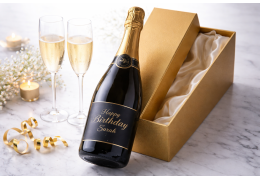
Personalised champagne bottles are widely available, but few focus on true simplicity. Clinton Cards stands out by offering a clean, elegant design that highlights the message itself rather than unnecessary decoration. Each bottle can be engraved with a name, initials, or short message of up to 30 characters, resulting in a timeless and refined presentation. Presented in a sleek gold box and priced at just €30, this personalised champagne bottle is an accessible yet thoughtful gift option. It...
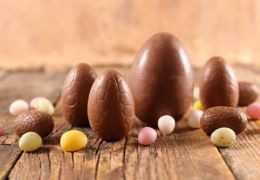
Experience the ultimate Easter indulgence with luxurious hand-painted ornamental eggs, meticulously crafted and filled with decadent Booja Booja organic champagne chocolate truffles. Combining the elegance of 56% cocoa with the refined taste of champagne, these unique truffles offer a delightful treat wrapped in stunning artistry that commands attention. While the ordering window for this Easter may have closed, these exquisite hand-painted eggs remain a timeless and fashionable gift, perfect...

Satchells, established in the 1880s, stands out among newer wine and champagne businesses through its longstanding heritage and reliable reputation. Open Monday through Saturday, Satchells provides a diverse selection of high-quality wines and champagnes sourced internationally, complemented by an impressive variety of malt whiskies ideal for any occasion.Beyond exceptional beverages, Satchells emphasizes tradition, personalized customer care, and comprehensive services, including wine...

Tregida Smokehouse is a renowned name in the world of fine food and drink, offering premium smoked salmon, artisanal cheeses, luxury hampers, and corporate gift packages. With numerous Food & Drink awards and even a royal endorsement, their reputation for quality is well established. Supplying esteemed establishments like Rick Stein's delicatessen, they bring exceptional flavors to discerning customers at surprisingly competitive prices.For those looking to pair their gourmet selections...

Buying champagne online offers convenience, fast delivery, and competitive prices, but it often comes with biased opinions and a lack of personalized guidance. When looking for an expert recommendation, visiting a champagne dealer is the best solution. Many high-street stores have well-stocked champagne sections with knowledgeable staff ready to help. These professionals provide genuine insights and help you choose the perfect bottle based on your taste and budget.One excellent example in...
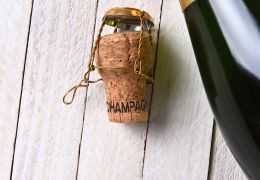
Understanding champagne corks is a vital skill for enthusiasts seeking to evaluate the freshness and authenticity of their bottles. The shape of the cork provides clues about the champagne’s age: a freshly opened bottle’s cork typically tapers from a wider base, resembling a pyramid, while an older cork tends to bulge in the middle. This knowledge is particularly valuable for discerning genuine vintage bottles or confirming the age of a claimed old champagne. To preserve the quality of...
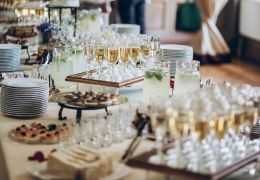
Champagne Casinos offers a versatile and memorable event experience, excelling in hosting weddings, parties, corporate events, and charity fundraisers. Their commitment to creating a warm atmosphere is matched by their top-tier interiors, entertainment, and innovative use of lighting and backdrops. Whether it's a lavish wedding reception or a lively birthday party, Champagne Casinos ensures a tailored and engaging experience for every occasion. For those seeking something unique, the company...