Planning the ideal beverage quantities for a wedding, reception, or dinner party requires an accurate understanding...


Planning the ideal beverage quantities for a wedding, reception, or dinner party requires an accurate understanding...

Choosing between Champagne, Prosecco, and Cava can be challenging when navigating the world of fine sparkling wines....

Hosting an educational champagne tasting at home is an excellent way to explore the unique diversity of the Champagne...

A Distinctive Craft: Unlike the common Rosé d'Assemblage—which blends still red wine into a white base—Champagne...
Brut Nature, also known as Zero Dosage, is the driest classification of Champagne, crafted without any added sugar...




When selecting a bottle of sparkling wine, you will quickly notice a fundamental divide in the Champagne region. On one side stand the historic, internationally recognized Grandes Maisons (the major houses). On the other side, we find the deeply traditional, independent producers, often referred to as Champagne Winegrowers (Champagnes de Vignerons). Both approaches yield exceptional sparkling wines, yet their philosophies, scales of production, and flavor profiles differ significantly. Understanding these differences allows you to navigate wine labels with confidence and choose the ideal bottle for any occasion.
Whether you appreciate the reliable, masterfully blended taste of a world-famous brand or prefer the hyper-localized, terroir-driven character of a single-estate grower, each category offers unique qualities. This guide explores the characteristics of grower Champagne and major houses, helping you identify which style best matches your palate and values.
A Champagne de Vigneron—frequently referred to in English as grower Champagne—is produced by the same estate that owns and cultivates the vineyards. These producers manage every phase of the process, from planting the vines to harvesting, fermenting, aging, and bottling. You can identify them by the tiny "RM" (Récoltant-Manipulant) printed on the bottom of the bottle label, which is a official legal designation certified by the Comité Champagne.
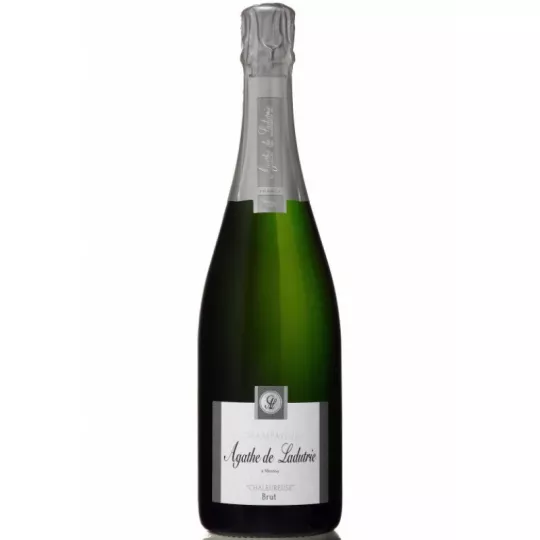
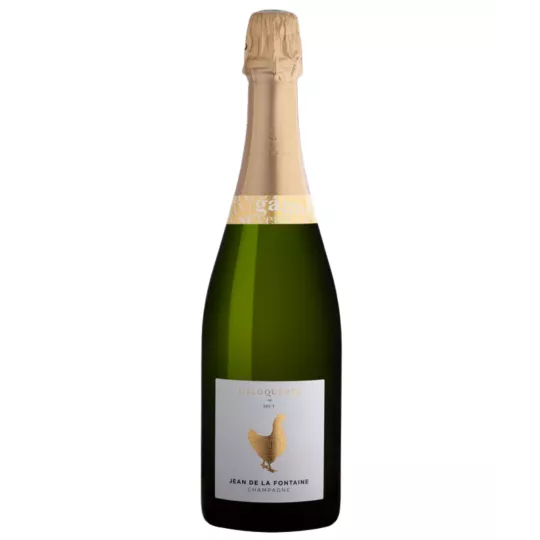
Grower Champagnes are highly celebrated for their distinct expression of terroir. Rather than blending grapes from dozens of different villages across the region to achieve a uniform flavor, a single-estate winemaker typically focuses on grapes harvested from specific plots. This means their cuvées, such as a specialized Blanc De Noirs - 100% Pinot Noir, will directly reflect the soil, microclimate, and weather of that specific year. These wines are often crafted in smaller quantities, making them unique, characterful, and highly expressive of their geographical origins.
A Grande Maison, categorized legally as an "NM" (Négociant-Manipulant), operates on a much larger scale. While these historic houses often own substantial estate vineyards, they also purchase a significant portion of their grapes from hundreds of independent growers throughout the appellation. This extensive sourcing network provides them with an immense palette of base wines to work with during blending.
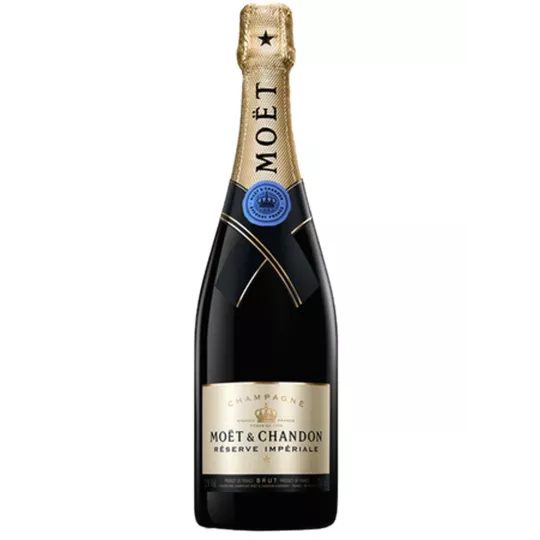
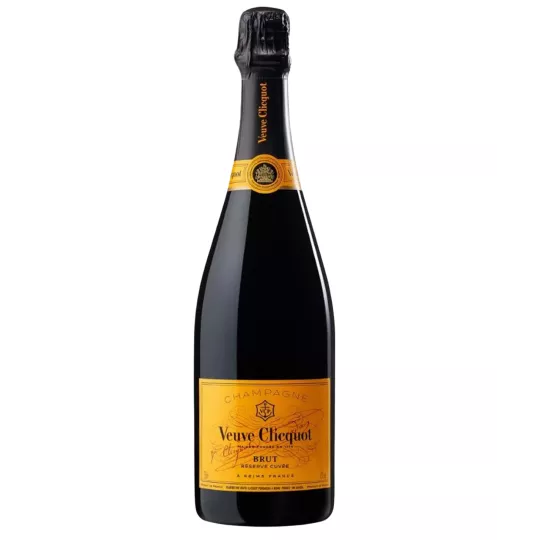
The primary goal of a major house is consistency. Year after year, head blenders (Chefs de Caves) combine reserve wines from past harvests with new juices to recreate a signature house style. This ensures that a classic non-vintage Brut Champagne tastes exactly as expected, offering a reliable standard of excellence. Houses like Veuve Clicquot and Bollinger have spent centuries perfecting this art of consistency, building global reputations for balance, elegance, and reliable quality.
To choose effectively between these two worlds, it helps to compare their main production methodologies side by side:
The choice between a grower and a major house depends largely on your personal taste, budget, and the context of your tasting. Here is a practical framework to help you decide:
If you are hosting a formal gathering or seeking a guaranteed crowd-pleaser, a major house is an excellent option. Their signature styles are crafted to appeal to a wide range of palates. If you appreciate rich, structured, and age-worthy profiles, the offerings of historical houses like Ruinart or Krug provide an undisputed standard of luxury and prestige. They are also ideal when looking for a prestigious gift, as the labels are instantly recognized worldwide.
If you are a wine enthusiast eager to explore terroir-driven nuances, grower Champagnes offer an exciting landscape. They are perfect for intimate dinners where the wine itself is a topic of conversation. For example, if you want to experience the pure, mineral-forward expression of Chardonnay from the Côte des Blancs, a grower's Blanc de Blancs Champagne will offer an unfiltered look at that specific limestone terroir. Growers also lead the way in artisanal techniques, offering unique Organic Champagne and biodynamic cuvées that showcase alternative vinification methods.
To maximize your enjoyment, keep these practical points in mind:
Both models contribute to the richness of the Champagne region. By understanding their distinct identities, you can select the perfect bottle to suit your palate and celebrate the diversity of this historic wine-growing region.
 A Story Of Friendship: Champagne Pol Roger and Sir Winston Churchill Champagne rosé Where to buy Deutz champagne ? Why champagne is the perfect choice for any wine lover ? Buying Champagne Online : Everything you need to know