Planning the ideal beverage quantities for a wedding, reception, or dinner party requires an accurate understanding...


Planning the ideal beverage quantities for a wedding, reception, or dinner party requires an accurate understanding...
Choosing between Champagne, Prosecco, and Cava can be challenging when navigating the world of fine sparkling wines....

Hosting an educational champagne tasting at home is an excellent way to explore the unique diversity of the Champagne...
A Distinctive Craft: Unlike the common Rosé d'Assemblage—which blends still red wine into a white base—Champagne...
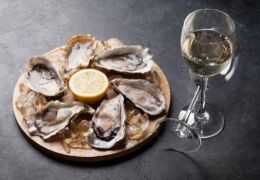
Brut Nature, also known as Zero Dosage, is the driest classification of Champagne, crafted without any added sugar...


The international sparkling wine landscape is undergoing a profound technical evolution, driven by a growing curiosity among consumers for authentic, unmanipulated expressions of terroir. Traditionally, the structural balance of this iconic French beverage relied on the application of the liqueur d'expédition—a precise mixture of cane sugar and reserve wine adjusted immediately following the secondary fermentation and disgorgement process. Today, however, a significant shift toward minimal intervention viticulture has brought bone-dry styles to the absolute forefront of the global market. Understanding the technical nuances between a classic Brut Champagne, an Extra Brut, and a zero-dosage Brut Nature is essential for anyone looking to navigate contemporary wine lists and digital retail shelves with technical confidence.
This comprehensive guide explores the analytical rise of low-dosage and zero-dosage cuvées, detailing how regional climatic changes and precise agricultural management enable contemporary houses to reduce or eliminate added sugars entirely. Whether you are seeking a crisp profile for an elegant culinary gathering or trying to match an un-dosed wine with complex gastronomy, these bottles offer an unadorned look at the chalky soils and native grape varieties of northeastern France. Let us dive into the technical classification, production methods, and historical evolution of these trending categories.
To fully appreciate the minimalist style, one must first analyze the traditional structural framework established by the region's historical regulatory systems. The term "dosage" refers to the specific amount of residual sugar suspended in the liquid medium added to the bottle just before the final corking. This sugar plays a calculated chemical and organoleptic role, balancing the high natural acidity inherent to northern French vineyards. Over the past decades, a standard bottle of commercial sparkling wine typically contained up to 12 grams of sugar per liter, which softened the profile and ensured sensory uniformity across non-vintage blends.
However, modern viticultural practices and changing consumer preferences have triggered a steady reduction in this final sweetening step. Producers are increasingly presenting wines that contain very little or no added sugar at all, satisfying a global demand for transparency and raw typographic character. This modern movement is deeply rooted in a desire to let the individual harvest year and specific vineyard plots speak for themselves without any sensory cover-up. According to official historical data published by the Comité Champagne, environmental shifts over the last thirty years have allowed grapes to achieve higher natural maturity at harvest, rendering high historical dosages increasingly unnecessary.
The official rules established by regional authorities strictly define how these styles must be labeled based on their analytical residual sugar content, measured in grams per liter (g/L):
Technical Note: A wine with 4 grams of residual sugar per liter can legally be labeled as either Extra Brut or Brut, giving the cellarmaster options on how to position the cuvée's structural identity depending on the targeted acidic balance.
Selecting the right bottle depends entirely on your personal structural preferences and your familiarity with high-acid flavor profiles. A Brut Nature Champagne offers a completely unfiltered look at the wine’s core elements. Because there is no sugar to round out the edges, the taster experiences the structural tension, mineral salinity, and natural acidity of the grapes in their purest state. These cuvées are frequently favored by seasoned tasters who appreciate a lean, razor-sharp entry and a long, chalk-driven finish that mirrors the bedrock of the vineyard.
On the other hand, choosing an Extra brut Champagne serves as an excellent bridge between the traditional and minimalist styles. The tiny amount of sugar permitted within this category—often just 2 or 3 grams—does not make the wine taste sweet. Instead, it acts as a subtle flavor enhancer, softening the sharpest edges of the natural acidity and providing a slightly broader texture across the mid-palate. This makes it highly versatile for diverse dining environments where absolute dryness might clash with certain delicate ingredients.
Without the balancing effect of sugar, the quality of the raw material becomes paramount. This is why low-dosage wines are so closely tied to the specific plot where the grapes are grown. For instance, a zero-dosage Blanc de Blancs Champagne made entirely from Chardonnay harvested in the Côte des Blancs will emphasize crystalline mineral tones, green apple, and citrus peel. The focus is entirely on the verticality and limestone precision of the soil.
Conversely, an un-dosed Blanc de noirs Champagne crafted from Pinot Noir or Pinot Meunier delivers a completely different experience. These black-skinned grapes naturally supply more structural weight, red fruit undertones, and a rounder mouthfeel, which naturally buffers the absence of sugar. Understanding the underlying grape variety helps consumers anticipate the texture of the liquid before opening the bottle.
The elimination of dosage is not merely a decision made at the disgorgement line; it requires a complete rethinking of vineyard management throughout the entire growing season. To produce a balanced, un-dosed wine, the grapes must achieve optimum phenolic ripeness. This is achieved through reduced yields, careful canopy management, and sustainable farming techniques that encourage deep root systems. When vines draw nutrients from deep within the limestone subsoils, they develop a structural complexity that balances the wine naturally.
Many top producers of low-dosage wines rely on specific agricultural philosophies. For instance, implementing Biodynamics Champagne techniques helps strengthen the vine's natural defenses and enhances the energetic expression of the fruit. Similarly, choosing an Organic Champagne ensures that no synthetic chemicals interfere with the natural yeasts responsible for fermentation. These methods allow for a clean, authentic vinification process where the wine requires no artificial cosmetic adjustments before corking.
Time is another critical tool used by cellarmasters to replace the rounding effect of sugar. When a bottle undergoes extended lees aging in deep chalk cellars, a natural process called autolysis occurs. The yeast cells break down over several years, releasing proteins and amino acids that impart complex flavors of brioche, toasted nuts, and baked bread into the liquid matrix.
This slow interaction imparts a creamy texture and volume to the mid-palate, softening the high natural acidity of the wine. Consequently, a zero-dosage wine that has spent seven or eight years on its lees will often taste rounder and more integrated than a freshly bottled wine with a higher sugar dosage. This structural evolution demonstrates why patience in the cellar is fundamental for artisanal sparkling wines.
Serving a zero-dosage bottle requires close attention to service details to ensure the wine performs at its absolute best. Because these cuvées lack sugar, serving them overly chilled can emphasize the acidity to an uncomfortable degree, masking the underlying fruit and yeast character. Aim to serve them between 9°C and 11°C, which is slightly warmer than standard commercial sparkling wines. This allows the structural layers to unfold naturally in the glass.
The choice of glassware is equally critical for optimal enjoyment. Moving away from narrow, old-fashioned flutes in favor of proper, wider Champagne glasses allows the complex aromas to unfold and provides a better oxygenation surface, softening the sharp attack on the palate. A wider bowl respects the wine's vinous nature, treating it as a fine white wine with bubbles rather than a simple celebratory tool.
The intense freshness and clean structure of low-dosage wines make them exceptional companions at the dining table, particularly when paired with rich, textured ingredients:
To help consumers navigate retail selections, it is useful to visualize how different dosage categories influence the primary sensory profiles and structural characteristics of the wine. The table below outlines the analytical divisions recognized by international wine professionals.
| Style Label | Sugar Content (g/L) | Primary Sensory Profile | Common Food Matches |
|---|---|---|---|
| Brut Nature | 0 - 3 g/L (No added sugar) | High tension, extreme mineral purity, saline finish | Oysters, Raw Sashimi, Caviar |
| Extra Brut | 0 - 6 g/L | Crisp, balanced sharpness, vibrant fruit expression | Seafood Tempura, Poultry, Pâté |
| Brut | 0 - 12 g/L | Traditional balance, smooth texture, rounded mouthfeel | Aged Gouda, Light Appetizers |
The most common error consumers make is assuming that a zero-dosage wine can simply step in as a direct substitute for a classic non-vintage blend during casual social gatherings. If your guests are accustomed to a softer, traditional profile, introducing a highly acidic Brut Nature without context can prove jarring. It is always wise to explain the style briefly beforehand so everyone knows to expect a leaner, more authentic wine experience focused on structural precision.
Another frequent mistake is overlooking the producer's house style and aging philosophy. A younger, non-vintage zero-dosage wine can sometimes feel aggressively sharp. However, when renowned houses apply extended cellar aging, the wine develops complex autolytic characters like brioche, toasted nuts, and dried fruits.
For example, exploring the sophisticated portfolio of historic houses like Bollinger or the detailed, chiseled expressions from Ruinart demonstrates how patient maturation creates a balanced, harmonious texture entirely on its own, without relying on sugar additions. Similarly, checking the reputation of standard brands such as Ayala or Deutz can guide you toward house profiles that place a historical premium on structural precision and lower overall dosages across their entire production lines.
 Champagne-based cocktails Champagne rosé Serve a good champagne Where to buy Deutz champagne ? How to choose the right champagne to accompany a meal ?