
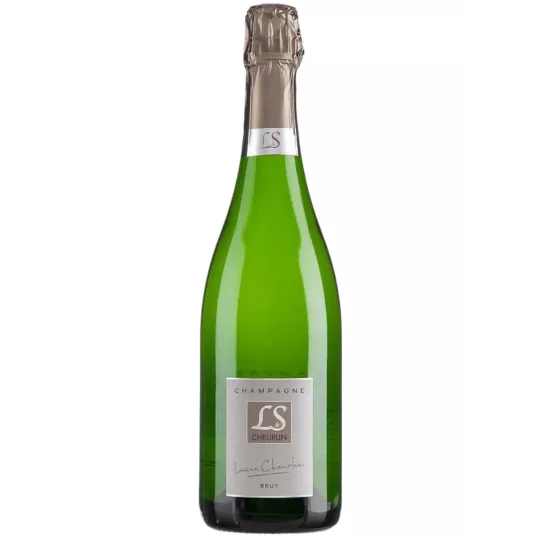
Conventional Champagne is widely recognized for traditional blending, structured aging, and classic profiles. Yet...
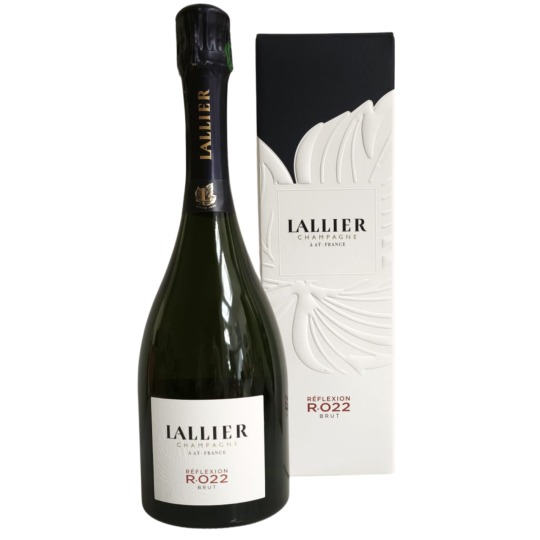

Conventional Champagne is widely recognized for traditional blending, structured aging, and classic profiles. Yet...
Discover the Art of Champagne Etiquette: Serving Champagne is far more than pouring bubbles into a glass—it is a...
Champagne is often associated with traditional serving customs, established cellaring practices, and classic tasting...
Champagne is often associated with well-established benchmarks: classic blends, traditional aging, and instantly...
Opening a bottle of sparkling wine is traditionally associated with celebration, precision, and high winemaking...

The Champagne region is characterized by complex viticultural techniques and highly regulated production standards, requiring a clear understanding of production methods when building a collection or preparing a gastronomic pairing. Selecting between non-vintage and vintage expressions dictates the flavor profile, aging capability, and overall structure of the liquid in the glass. While a non-vintage blend combines multi-year reserves to maintain a reliable, fruit-driven, and consistent house...
Blanc de Blancs and Blanc de Noirs represent the fascinating world of monocépage Champagnes, where wines are crafted entirely from a single grape variety rather than traditional blends. A classic Blanc de Blancs is made exclusively from white grapes, predominantly Chardonnay, resulting in an elegant, crisp, and linear profile celebrated for its vibrant citrus notes, sharp acidity, and chalky minerality. This style offers exceptional precision and outstanding aging potential, making it a...
Understanding the precise shelf life and technical storage requirements of Champagne is essential for safeguarding the structural stability, elegant effervescence, and complex aromatic profile of your wine collection over time. This professional guide analyzes the core biological and environmental factors that govern the development of unopened bottles—such as non-vintage expressions, exceptional vintages, and large-format vessels—while detailing how structural components like grape varieties...
This comprehensive guide explores the analytical world of low-dosage and zero-dosage Champagnes, detailing the technical distinctions between Brut, Extra Brut, and Brut Nature categories. Driven by changing viticultural techniques and modern environmental shifts, contemporary cellarmasters increasingly eliminate the traditional final sugar additions to highlight the pure mineral profile of their vineyards. Readers will discover how precise grape maturity, structural acidity, and patient...