
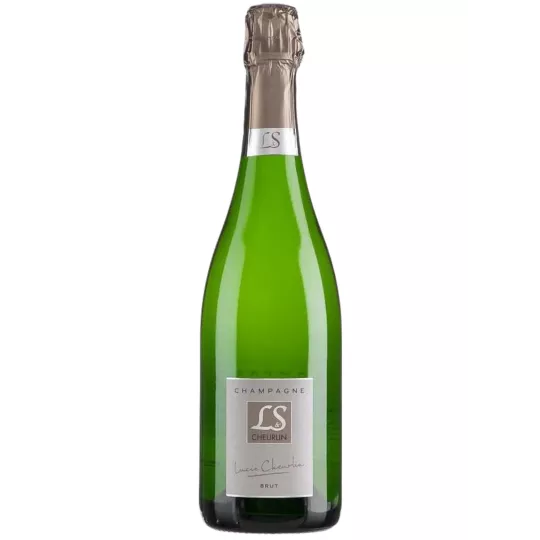
Champagne is often associated with celebration and sophisticated dining, but understanding its nutritional and...
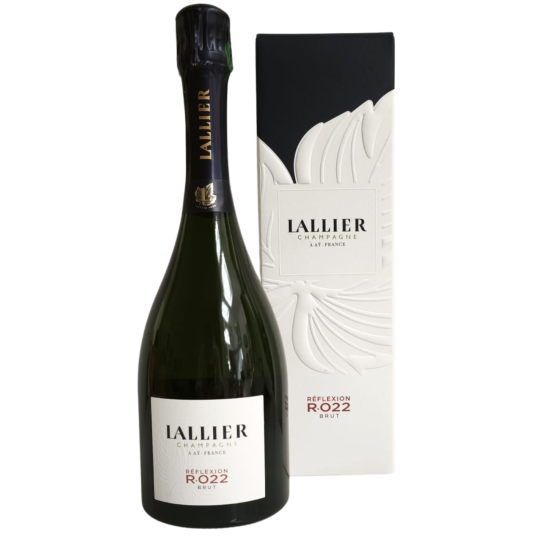

Champagne is often associated with celebration and sophisticated dining, but understanding its nutritional and...

Planning the ideal beverage quantities for a wedding, reception, or dinner party requires an accurate understanding...

Choosing between Champagne, Prosecco, and Cava can be challenging when navigating the world of fine sparkling wines....

Hosting an educational champagne tasting at home is an excellent way to explore the unique diversity of the Champagne...
A Distinctive Craft: Unlike the common Rosé d'Assemblage—which blends still red wine into a white base—Champagne...




The champagne industry is going through a period of rapid change, with consumers becoming increasingly aware of the environmental footprint of production and seeking lesser known brands or organic and fair trade champagnes. In recent years, this change in demand has led to an increase in the production of ecological champagnes in many renowned Champagne companies. Players in this industry have gone to great lengths to ensure that their products are responsibly sourced and produced with minimal impact on the environment.
In addition to being aware of how their champagne is made, consumers are becoming increasingly discerning when it comes to choosing their drinks. Many champagne producers have responded to this trend by offering a plethora of different varieties and flavors, from vintage bottles produced using traditional methods to sparkling wines bottled with a contemporary twist. So there is something for everyone in this sector, whatever your taste buds are craving.
In response to these changes in the market, some major champagne houses have decided to invest in innovative technologies that can help them produce high quality yet long lasting bubbles. For example, several major champagne houses now use advanced winemaking processes, such as carbon dioxide recirculation and vacuum cooling systems, which reduce waste and energy consumption during production. Additionally, some companies also use automatic labeling machines to minimize waste during bottling operations.
The future looks bright for the champagne industry as new technologies continue to revolutionize production processes and drive down costs for both producers and consumers. With sustainability becoming increasingly important to wine lovers around the world, it's likely that eco-friendly champagnes will continue to grow in popularity over time, so everyone can enjoy delicious bubbles with a clear conscience!
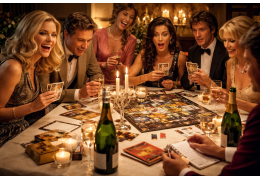
This Champagne-themed board game is an interactive DVD mystery experience designed for groups of eight or more players. Created by Paul Lamond Games and featuring Michael Winner, it immerses adults and older teenagers in a suspenseful storyline set in the vibrant summer of 1976 in Chelsea, London. What begins as a stylish dinner gathering quickly turns into a gripping murder investigation. Affordable and engaging, the game is priced at just over £10, making it an accessible addition to a...
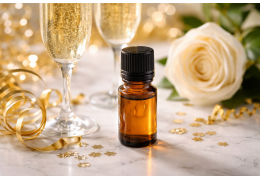
Champagne Fragrance Oil captures the iconic, sparkling scent associated with celebration and memorable moments. Inspired by the fresh effervescence of champagne, this fragrance offers a lively and uplifting aroma designed to evoke both nostalgia and new experiences. Its bright character makes it suitable for a variety of occasions and creative applications. Described by Brambleberry as closely resembling ginger ale, this fragrance delivers a distinctive, refreshing punch. Its versatility...
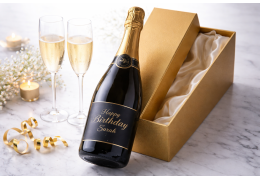
Personalised champagne bottles are widely available, but few focus on true simplicity. Clinton Cards stands out by offering a clean, elegant design that highlights the message itself rather than unnecessary decoration. Each bottle can be engraved with a name, initials, or short message of up to 30 characters, resulting in a timeless and refined presentation. Presented in a sleek gold box and priced at just €30, this personalised champagne bottle is an accessible yet thoughtful gift option. It...
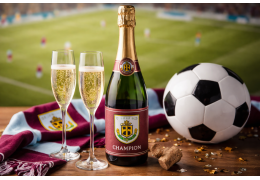
This article highlights an original concept that brings together two passions: football and champagne. Designed for fans who enjoy celebrating their love of the game in style, the personalised champagne service allows customers to customise their bottle with text, images, or even photographs linked to their favourite club. Beyond the personalisation, the focus is also on quality. The champagne selected for this service is carefully sourced to ensure it lives up to expectations, making it an...

The "Champagne Event For Girls Only" is a lively annual celebration tailored exclusively for women, offering the perfect opportunity for friends to let loose and enjoy an unforgettable evening. Taking place on July 1st in Lincoln, this £30-per-person soirée promises a fun-filled atmosphere with laughter, dancing, and socializing at its heart. It's the ideal night out for any woman looking to unwind and bond with her circle of girlfriends. With standout entertainment, including a performance...
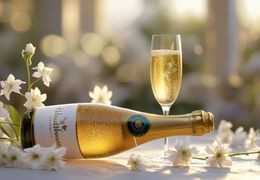
Curious about crafting your own bubbly at home? While the secret techniques behind Mumm or Veuve Clicquot remain tightly guarded, there's a delightful alternative for the adventurous: elderflower champagne. This homemade favorite is a refreshing, floral drink that has enchanted taste buds for generations. It’s relatively easy to make, requires only a few ingredients, and delivers a sparkling result perfect for garden parties, summer dinners, or special toasts. If you're ready to get started,...
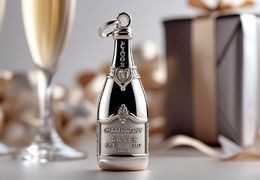
This charming sterling silver champagne bottle charm is a thoughtful and elegant gift for the special woman in your life. Whether it's for a birthday, graduation, or wedding celebration, this delicate piece of jewellery is sure to impress with its timeless appeal and refined design. Offered by Links of London, this charm is not only stylish but also accessible to international customers, with multiple localized websites supporting different currencies. And for those seeking something more...
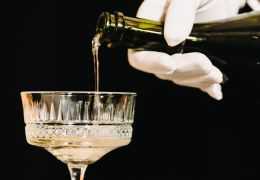
Champagne Billecart-Salmon’s website offers a refreshing experience rooted in elegance and simplicity. From the very first click, users are welcomed with a minimalist, black-and-white design that emphasizes high-quality visuals over aggressive marketing tactics. This refined aesthetic reflects the timeless sophistication of the brand itself. Beyond its visual appeal, the site offers valuable insights into upcoming events and curated champagne gift selections. Whether you're a seasoned...
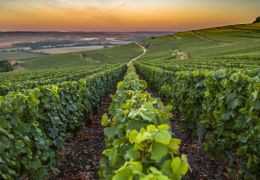
The Widow Clicquot is a captivating read that explores the remarkable story behind one of the most iconic champagne houses: Veuve Clicquot. Centered on the fearless young widow who transformed the brand into a global name, the book weaves a compelling narrative of resilience, innovation, and legacy. From navigating the treacherous waters of political upheaval to overcoming cultural challenges, her journey is both inspiring and historically significant. Though just 288 pages long, this book...

On April 29th, during the Royal Wedding in Great Britain, Champagne took center stage in the celebrations. While many gathered near Westminster Abbey for a glimpse of the iconic dress, 300 distinguished guests enjoyed the festivities with glasses of Pol Roger Champagne—a brand chosen to honor the regal occasion in style. Pol Roger’s involvement in the Royal Wedding has sparked a surge in global interest, with sales expected to soar in countries like Belgium, Germany, and Switzerland. As...
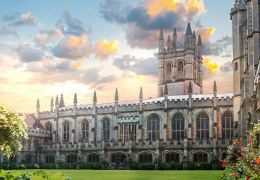
Oxford isn’t just famous for its historic charm and iconic boat race with Cambridge—it also offers a vibrant nightlife scene that comes alive after dark. Among its standout venues is The Bridge, one of Oxford’s most reputable clubs, known for its stylish ambiance, lively events, and impressive champagne selection. Whether you're into cocktails, wine, or simply great music, this venue caters to a variety of tastes and age groups. The Bridge’s user-friendly website reflects its sleek vibe and...
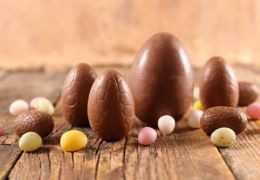
Experience the ultimate Easter indulgence with luxurious hand-painted ornamental eggs, meticulously crafted and filled with decadent Booja Booja organic champagne chocolate truffles. Combining the elegance of 56% cocoa with the refined taste of champagne, these unique truffles offer a delightful treat wrapped in stunning artistry that commands attention. While the ordering window for this Easter may have closed, these exquisite hand-painted eggs remain a timeless and fashionable gift, perfect...