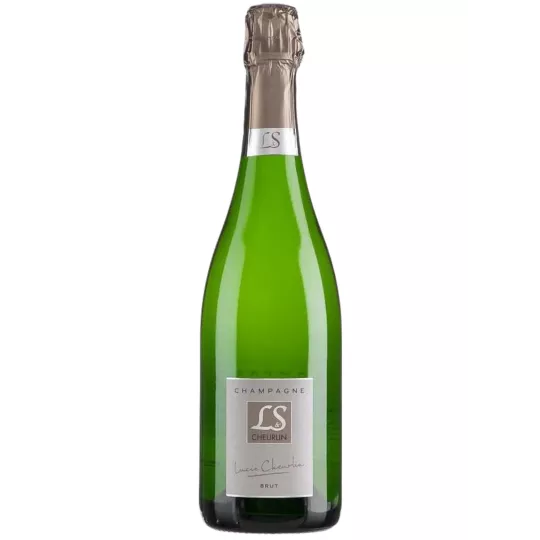
Hosting an educational champagne tasting at home is an excellent way to explore the unique diversity of the Champagne...
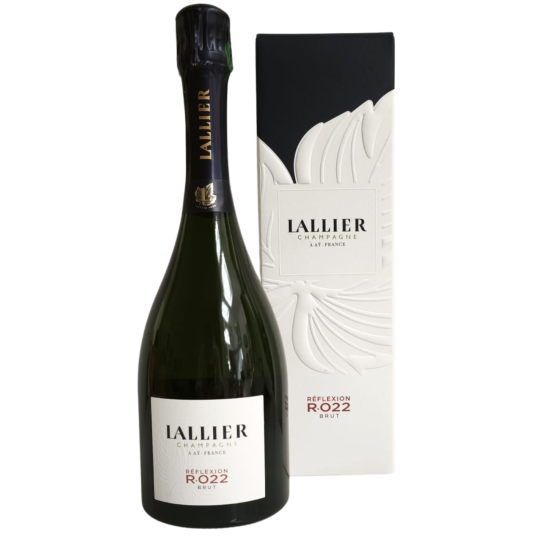


Hosting an educational champagne tasting at home is an excellent way to explore the unique diversity of the Champagne...

A Distinctive Craft: Unlike the common Rosé d'Assemblage—which blends still red wine into a white base—Champagne...
Brut Nature, also known as Zero Dosage, is the driest classification of Champagne, crafted without any added sugar...

Selecting the ideal champagne as a gift involves matching the structural profile of the wine to the specific nature...

Choosing a Champagne depends primarily on the production philosophy you wish to experience in your glass. On one...





For generations, the art of Champagne was defined by the master blender. Traditional houses achieved consistency by combining grapes from dozens of villages, balancing different varieties and past harvests to create a uniform house style. However, a significant shift has reshaped the region's landscape. Inspired by the meticulous vineyard classification of neighboring Burgundy, forward-thinking producers are isolating specific parcels of land. These exceptional individual vineyards are known as lieux-dits.
A single-plot Champagne offers an intimate look at micro-terroir. Instead of blending away the unique personality of a single hillside, winemakers bottle it entirely on its own. This approach prioritizes geographic identity over consistency, celebrating the specific soil, slope, and microclimate of a single plot in a single year. Understanding this movement provides deep insight into modern viticulture, especially through the work of independent artisans. Let us explore how Burgundy’s philosophy transformed Champagne, how to select these rare bottles, and how to appreciate their distinctive character.
To understand single-plot Champagne, it helps to look at the history of the region. Historically, blending served as insurance against a cold, unpredictable northern climate. If frost damaged the Chardonnay in the Côte des Blancs, a winemaker could rely on Pinot Noir from the Montagne de Reims or Pinot Meunier from the Vallée de la Marne to balance the final cuvée. Blending was—and remains—a highly skilled craft designed to deliver a dependable profile year after year.
In contrast, the Burgundian approach treats every small plot of land as an individual personality. In Burgundy, vineyards are divided into precisely mapped parcels, where a single stone wall can separate a village-level vineyard from a Grand Cru.
Over the last few decades, Champagne has increasingly adopted this philosophy. Rather than merging diverse grapes into an assembled profile, growers began asking a different question: What does this specific corner of our village taste like on its own? This led to the isolation of the lieu-dit—a dedicated plot of land recognized for centuries due to its distinct topography, topsoil composition, and exposure to the sun.
Traditional Blending Focuses on:
[Multiple Villages] + [Multiple Grape Varieties] + [Reserve Wines] = Consistent House StyleSingle-Plot Focuses on:
[One Specific Lieu-dit] + [One Micro-terroir] + [One Single Harvest] = Singular Expression of Place
The growth of this movement is closely tied to the rise of independent producers. These estate-bottled winemakers cultivate their own vines and vinify their own fruit, allowing them to focus deeply on micro-terroir. Instead of striving for a uniform flavor profile, they embrace the natural variations of each season and plot. This ethos is foundational to understanding the diversity of Grower Champagne, where production choices highlight the soil rather than a standardized brand style.
A single vineyard must possess exceptional qualities to be bottled on its own. When a winemaker isolates a parcel, they rely entirely on its specific natural components, leaving no room for blending corrections.
The subsoil of the region is famous for its ancient, marine-derived chalk, which provides excellent drainage and imparts a distinct mineral tension to the wines. However, a single-plot analysis reveals remarkable geological variety. A plot located on a steep, south-facing slope in Chouilly might feature pure, exposed chalk near the surface. Meanwhile, a parcel nestled in the clay-rich soils of the Vallée de la Marne may offer a completely different structural profile.
The angle of a slope determines how many hours of sunlight the vines receive each day. A north-facing plot retains higher acidity and develops subtle, delicate aromas, whereas a south-facing basin yields riper, more robust fruit. Nearby forests or rivers also influence the local climate, regulating temperatures and protecting vines from sudden spring frosts.
Older vines are highly prized for single-plot wines. Over decades, their root systems delve deep into the bedrock, allowing them to absorb nutrients efficiently and withstand dry summer spells. Furthermore, many dedicated growers practice massal selection—propagating new vines from their oldest, healthiest plants rather than using standardized clonal variations. This preservation of genetic diversity adds further complexity and nuance to the final harvest.
According to technical vineyard standards maintained by the official Comité Champagne, the precise mapping of these historic names preserves the cultural heritage of the region while ensuring strict geographical traceability.
Navigating this specialized category requires looking beyond the prominent brand names on the front label. Because these wines are produced in limited quantities, selecting the right bottle involves reviewing the specific technical details provided on the back label.
Look for a dedicated name printed clearly on the bottle, often enclosed in quotation marks—such as "Les Chétillons" in Le Mesnil-sur-Oger or "Les Béruges" in Ambonnay. If the label highlights a single named site alongside a specific village, you are likely looking at a authentic lieu-dit bottling.
Single-plot expressions are frequently bottled with minimal intervention to let the terroir show through clearly. You will often notice technical terms describing the sweetness level:
A low dosage ensures that the natural acidity and mineral profile of the soil remain unmasked by added sweetness. For those who appreciate this precise, crisp style, exploring an expertly crafted Champagne Extra Brut offers an excellent point of comparison.
Many single-plot wines are monovarietal, highlighting how a specific grape reacts to a single soil type. A 100% Chardonnay from a single chalky parcel creates a focused, linear style. Conversely, a 100% Pinot Noir or Pinot Meunier from iron-rich clay soils
 A Story Of Friendship: Champagne Pol Roger and Sir Winston Churchill Champagne rosé Where to buy Deutz champagne ? Why champagne is the perfect choice for any wine lover ? Buying Champagne Online : Everything you need to know