Opening a bottle of sparkling wine is traditionally associated with celebration, precision, and high winemaking...


Opening a bottle of sparkling wine is traditionally associated with celebration, precision, and high winemaking...

Decoding Champagne producer codes offers a fascinating look into the craft and structure behind every bottle. Beyond...

Champagne is often associated with celebration and sophisticated dining, but understanding its nutritional and...

Planning the ideal beverage quantities for a wedding, reception, or dinner party requires an accurate understanding...

Choosing between Champagne, Prosecco, and Cava can be challenging when navigating the world of fine sparkling wines....






The Champagne region is globally renowned for its art of blending, where winemakers traditionally combine different grape varieties to achieve a balanced house style. However, a growing number of enthusiasts are turning their attention toward monocépage expressions—wines crafted entirely from a single grape variety. Two styles embody this singular focus perfectly: Blanc de Blancs and Blanc de Noirs. Understanding the fundamental differences between these options allows wine lovers to explore the diverse expressions of the regional terroir.
Whether you are selecting a bottle for an upcoming dinner or exploring the technical nuances of viticulture, recognizing how production methods shape flavor profiles is highly informative. This guide breaks down the structural differences, aromatic qualities, and food pairings associated with these exceptional single-variety styles. By focusing on grape origin, skin contact, and vinification techniques, we will clarify how these clear juices express their unique terroirs without the influence of standard multi-varietal blending.
To appreciate these specialized categories, it is necessary to examine the foundational rules of Champagne production. According to the structural guidelines established by the Comité Champagne, seven grape varieties are legally permitted within the appellation. However, three main varieties dominate the landscape: Chardonnay, Pinot Noir, and Meunier.
A traditional bottle of Brut Champagne typically incorporates an assembled blend of all three, balancing white and red grapes. In contrast, a monocépage wine highlights the pure characteristics of one specific variety.
The production of clear juice from dark grapes relies on immediate, gentle pressing after harvest. Because the color compounds reside solely within the grape skins, rapid separation ensures that the juice remains unpigmented, preventing any red color extraction.
Choosing between these categories depends largely on the preferred structural weight and aromatic profile. Each style reflects the distinctive qualities of its component grapes.
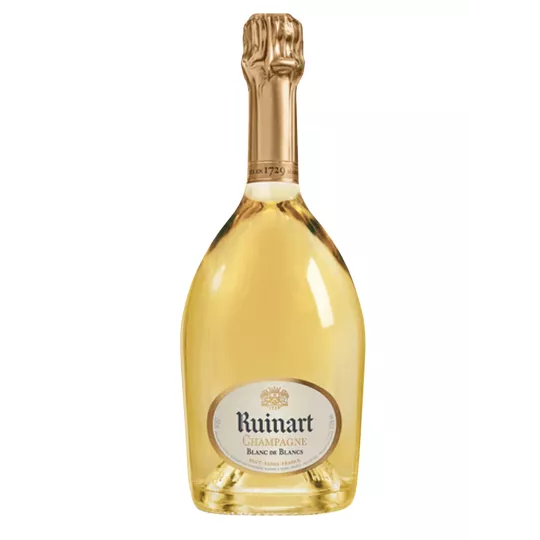
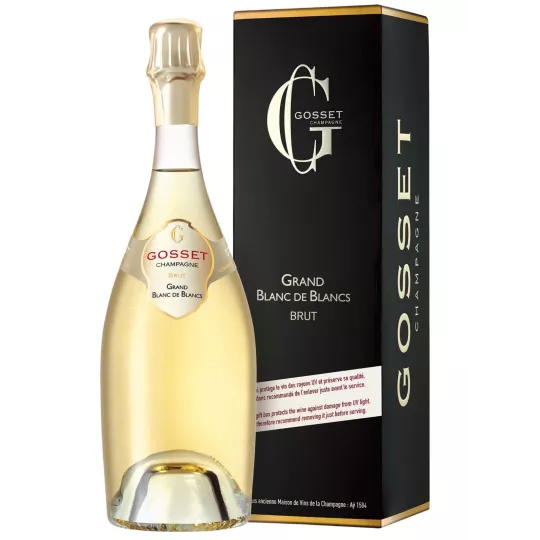
A classic Blanc de Blancs Champagne is celebrated for its precision, vibrant acidity, and mineral core. When Chardonnay is grown in limestone and chalk soils, it develops a highly refreshing profile.
For those who appreciate sharp definition and bright energy, historical houses like Ruinart have long championed Chardonnay-centric profiles, creating highly focused single-variety experiences.
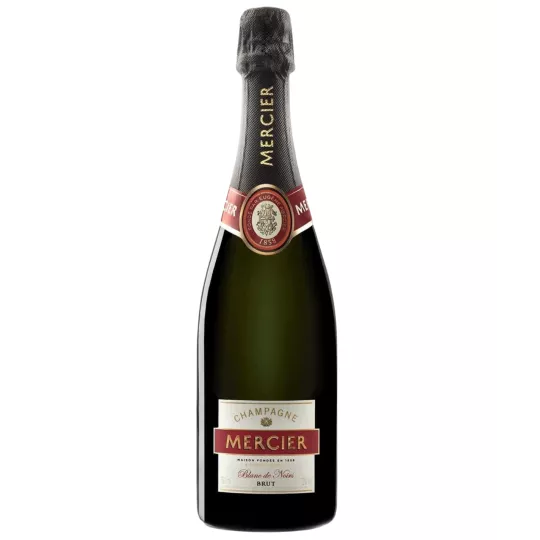
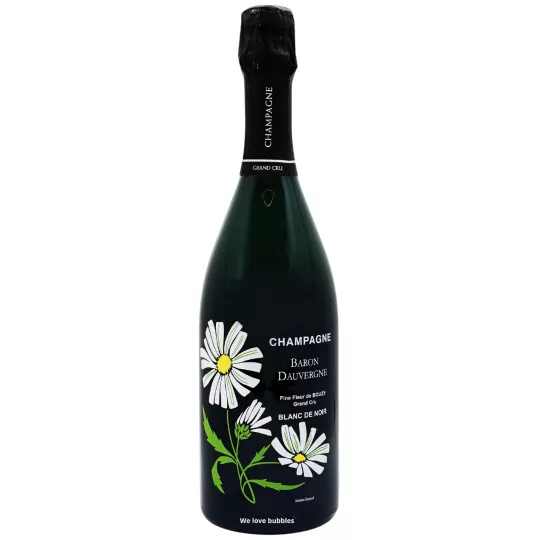
In contrast, a Blanc de noirs Champagne offers structural depth, power, and a vinous quality. The presence of dark-skinned varieties imparts a broader texture and an expansive mouthfeel.
Houses that historical respect traditional weight often emphasize these robust dark grapes. For instance, exploring the structured range of Bollinger demonstrates how Pinot Noir provides a powerful backbone and complex depth to clear juices.
Because these two styles offer distinct structural profiles, they require different serving approaches and food pairings to maximize their organoleptic qualities.
To properly appreciate the nuances of these single-variety expressions, traditional narrow flutes are often set aside. Utilizing wider Champagne glasses allows the aromas to open up fully.
Pairing these wines follows the principles of balancing weight and intensity:
| Champagne Style | Ideal Food Pairings | Culinary Context |
|---|---|---|
| Blanc de Blancs | Oysters, raw seafood, grilled sea bass, goat cheese | Perfect as a light aperitif or paired with delicate starters. |
| Blanc de Noirs | Roasted duck, seared veal, mushroom risotto, cured meats | Excellent alongside main courses and rich, savory dishes. |
For a highly focused tasting experience, pairing a crisp white-grape expression with fresh seafood accentuates the natural salinity of the soil. Conversely, serving a robust dark-grape expression with slow-cooked white meats highlights the natural structure of Pinot Noir.
Navigating the monocépage category can sometimes lead to confusion regarding color, taste, and environmental practices. Clarifying these details helps build solid wine knowledge.
By understanding these distinctions, collectors can make well-informed decisions when looking for specific structural profiles, whether choosing a refined bottle for a cellar or looking for an impactful addition to a dinner menu.
 Harvesting grapes for making champagne : all you need to know What are the different types of champagnes and their characteristics ? Wine tourism in Champagne 2024: Our guide to a Sparkling Adventure Champagne, a legendary wine: complete guide The different grape varieties of Champagne: complete guide