
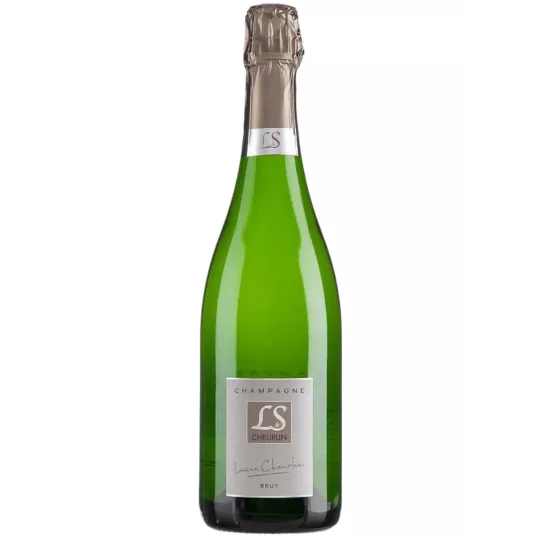
Opening a bottle of sparkling wine is traditionally associated with celebration, precision, and high winemaking...
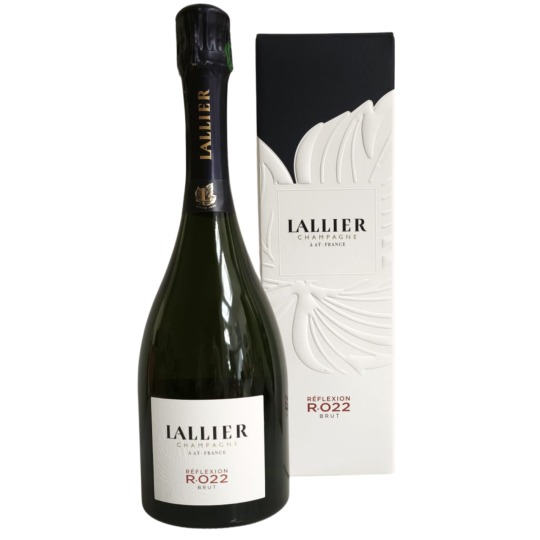

Opening a bottle of sparkling wine is traditionally associated with celebration, precision, and high winemaking...
Decoding Champagne producer codes offers a fascinating look into the craft and structure behind every bottle. Beyond...
Champagne is often associated with celebration and sophisticated dining, but understanding its nutritional and...
Planning the ideal beverage quantities for a wedding, reception, or dinner party requires an accurate understanding...
Choosing between Champagne, Prosecco, and Cava can be challenging when navigating the world of fine sparkling wines....

The Champagne region is characterized by complex viticultural techniques and highly regulated production standards, requiring a clear understanding of production methods when building a collection or preparing a gastronomic pairing. Selecting between non-vintage and vintage expressions dictates the flavor profile, aging capability, and overall structure of the liquid in the glass. While a non-vintage blend combines multi-year reserves to maintain a reliable, fruit-driven, and consistent house...
Blanc de Blancs and Blanc de Noirs represent the fascinating world of monocépage Champagnes, where wines are crafted entirely from a single grape variety rather than traditional blends. A classic Blanc de Blancs is made exclusively from white grapes, predominantly Chardonnay, resulting in an elegant, crisp, and linear profile celebrated for its vibrant citrus notes, sharp acidity, and chalky minerality. This style offers exceptional precision and outstanding aging potential, making it a...
Understanding the precise shelf life and technical storage requirements of Champagne is essential for safeguarding the structural stability, elegant effervescence, and complex aromatic profile of your wine collection over time. This professional guide analyzes the core biological and environmental factors that govern the development of unopened bottles—such as non-vintage expressions, exceptional vintages, and large-format vessels—while detailing how structural components like grape varieties...
This comprehensive guide explores the analytical world of low-dosage and zero-dosage Champagnes, detailing the technical distinctions between Brut, Extra Brut, and Brut Nature categories. Driven by changing viticultural techniques and modern environmental shifts, contemporary cellarmasters increasingly eliminate the traditional final sugar additions to highlight the pure mineral profile of their vineyards. Readers will discover how precise grape maturity, structural acidity, and patient...
The distinction between Grand Cru and Premier Cru Champagne is rooted in the history of the Échelle des Crus (Scale of Growths), a classification system established in the early 20th century to rate entire winegrowing villages based on the quality of their terroir. Grand Cru represents the absolute pinnacle of this hierarchy, a title exclusively reserved for the 17 villages that achieved a perfect 100% rating. These elite terroirs, concentrated on prime hillsides with deep, porous chalk...
Dive into the defining trend reshaping the world of sparkling wine: the structural shift from traditional sugar levels toward the absolute purity of Brut Nature and Non Dosé. This educational guide breaks down the precise technical balance between sugar and natural acidity, while highlighting the rigorous vineyard and cellar standards required to craft unadulterated cuvées that truly showcase the raw identity of their terroir. Whether you are an enthusiast or a professional, you will...
This technical guide explores the fascinating evolution of Champagne through the lens of single-plot (lieu-dit) bottling. It breaks down how independent growers are moving away from traditional multi-vineyard blending to isolate specific micro-parcels of land. Inspired directly by Burgundy's strict vineyard classification, this approach captures the raw expression of a single hillside, soil profile, and harvest year without the stabilizing safety net of reserve wines. Designed for...
This comprehensive guide explores the fascinating world of post-disgorgement aging, a crucial yet often overlooked phase in a Champagne's lifecycle. Designed for wine enthusiasts and collectors alike, the article demystifies what happens inside the bottle after the sediment is removed and the final cork is secured. Readers will discover the structural and aromatic transformations that occur over time, shifting from vibrant fruit freshness to rich, complex tertiary notes like honey and toasted...
What defines the unique texture of your favorite Champagne? Beyond the grape varieties and aging, a hidden biological process shapes every bubble: malolactic fermentation. Discover how winemakers balance sharp malic acid and creamy lactic acid to craft structural profiles ranging from razor-sharp freshness to velvety, brioche-infused complexity. A simple guide to understanding the structural engineering behind the pour.
Découvrez les secrets de fabrication qui façonnent l'identité de vos cuvées préférées en plongeant au cœur du travail des chefs de cave. Ce guide technique vous révèle comment le choix du contenant lors de la première fermentation transforme radicalement le profil d'un Champagne. Vous comprendrez ainsi la différence entre la vinification traditionnelle en fûts de chêne, qui apporte de la rondeur et de la complexité grâce à une micro-oxygénation maîtrisée, et la modernité des cuves en acier...
Combining vegetarian gastronomy with the excellence of Champagne requires a technical understanding of aromatic balances. Far from being limited to traditional pairings, plant-based cuisine offers a wide range of textures—from the earthiness of root vegetables to the delicate crunch of seasonal greens—that interact beautifully with different grape varieties. By focusing on the structural components of the wine, such as acidity levels and yeast-driven complexity, enthusiasts can create...
Climate Adaptation: Evolution of the Champagne Vineyard Facing the reality of global warming, the Champagne region is undergoing a profound transformation to preserve the quality of its production. Winegrowers are now implementing innovative strategies, such as modifying canopy management to shade the fruit and rethinking soil health through cover cropping. These technical adjustments, combined with a precise analysis of the terroir, allow for a better regulation of grape maturity,...