Opening a bottle of sparkling wine is traditionally associated with celebration, precision, and high winemaking...

Opening a bottle of sparkling wine is traditionally associated with celebration, precision, and high winemaking...
Decoding Champagne producer codes offers a fascinating look into the craft and structure behind every bottle. Beyond...
Champagne is often associated with celebration and sophisticated dining, but understanding its nutritional and...
Planning the ideal beverage quantities for a wedding, reception, or dinner party requires an accurate understanding...
Choosing between Champagne, Prosecco, and Cava can be challenging when navigating the world of fine sparkling wines....
The art of pairing food and wine often conjures images of seafood or poultry. However, the botanical diversity of vegetarian cuisine offers a sophisticated playground for the nuanced profiles of French sparkling wines. Understanding how the acidity, effervescence, and yeast-derived aromas of champagne interact with plant-based ingredients is essential for any modern host.
In this guide, we explore three iconic vegetarian starters designed to highlight the technical characteristics of specific cuvées. Whether you prefer the structural integrity of a Champagne Brut or the delicate fruit profile of a Rosé champagne, these pairings focus on terroir and production methods to ensure a balanced tasting experience.
Vegetarian gastronomy relies heavily on textures—crunchy, creamy, or earthy—and fundamental flavors like umami. Champagne, with its controlled dosage (the sugar level added before final corking), acts as a refreshing counterpoint or a structural complement to these dishes.
When selecting a bottle, the grape variety is your primary indicator. For instance, the freshness of Blanc de Blancs, crafted exclusively from Chardonnay, excels with light, mineral-forward starters. Conversely, the Pinot Noir influence provides the "backbone" necessary for richer, earthier vegetarian ingredients like mushrooms or aged cheeses.
Mushrooms are the "meat" of the vegetarian world, offering deep umami notes. A thinly sliced carpaccio of button mushrooms or porcini, drizzled with high-quality truffle oil and topped with Parmesan shavings, requires a champagne with equal aromatic intensity.
For this dish, we recommend Champagne vintages. These wines have spent several years aging on their lees (yeast cells), developing tertiary aromas of toasted bread, nuts, and roasted coffee. This oxidative complexity mirrors the forest-floor notes of the mushrooms.
The precision found in the savoir-faire of Bollinger is particularly suited here. Their use of oak barrels for fermentation adds a subtle tannic structure that stands up to the truffle's potency without overpowering the palate.
Asparagus is notoriously difficult to pair with wine due to its sulfur compounds. However, when prepared as a light tempura, the frying process adds a fatty, salty element that champagne’s high acidity can effortlessly cut through.
The mineral tension and citrus notes of a 100% Chardonnay cuvée are the logical choice. A Grand Cru Champagne from the Côte des Blancs offers the sharp lime and green apple acidity needed to refresh the palate after each crispy bite.
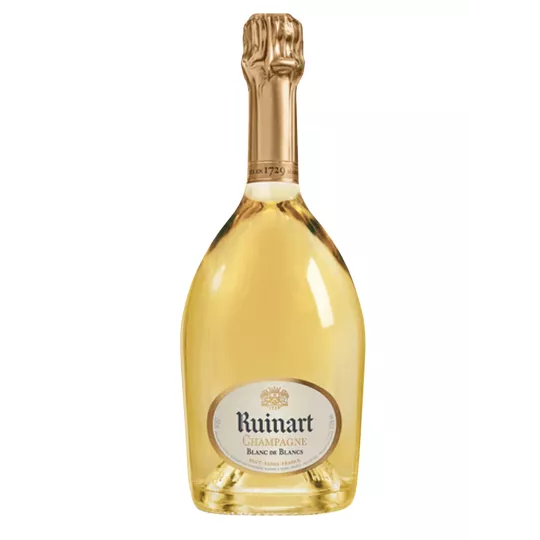
For an elevated experience, consider the purity of Ruinart. Their Blanc de Blancs is celebrated for its aromatic lightness and crystalline structure, making it a perfect companion for delicate spring vegetables.
The earthy sweetness of roasted beetroot combined with the tangy, creamy texture of fresh goat cheese creates a vibrant contrast. This dish demands a wine with both fruit presence and a touch of vinous power.
While many rosés are made by blending white and red wines, the Rosé De Saignée Champagne method involves macerating the juice with the grape skins. This results in a deeper color and a more pronounced red fruit profile (raspberry, cherry) that complements the "root" character of the beetroot.
The boldness of Louis Roederer often provides the necessary fruit density for such pairings. The natural sugar in the beetroot is balanced by the wine's dry finish, typically found in an Extra brut Champagne category.
To respect the technical work of the cellar master, avoid serving champagne "ice cold." A temperature between 8°C and 10°C is ideal for most Premier cru Champagne. If the wine is too cold, the aromas are muted; if too warm, the alcohol becomes too prominent.
Move away from the traditional narrow flute. A tulip-shaped glass or a standard wine glass allows for better aeration, enabling the complex aromas of a Biodynamics Champagne to fully express themselves.
Vegetarian cuisine and champagne share a common philosophy: the celebration of the soil and the seasons. By focusing on the structural components—acidity, autolysis, and grape variety—you can create pairings that are both intellectually stimulating and harmoniously balanced. Whether you are exploring Organic Champagne or prestigious Houses, the key lies in matching the intensity of the terroir to the complexity of the ingredients.
 Champagne-based cocktails Champagne rosé Where to buy Deutz champagne ? How to choose the right champagne to accompany a meal ? How champagne can accompany different types of dishes