Opening a bottle of sparkling wine is traditionally associated with celebration, precision, and high winemaking...


Opening a bottle of sparkling wine is traditionally associated with celebration, precision, and high winemaking...

Decoding Champagne producer codes offers a fascinating look into the craft and structure behind every bottle. Beyond...

Champagne is often associated with celebration and sophisticated dining, but understanding its nutritional and...

Planning the ideal beverage quantities for a wedding, reception, or dinner party requires an accurate understanding...

Choosing between Champagne, Prosecco, and Cava can be challenging when navigating the world of fine sparkling wines....







Every bottle of Champagne tells a story of decisions made deep within the cellar. Among these choices, the selection of the vinification vessel stands as one of the most significant parameters determining the final profile of a cuvée. While the primary fermentation transforms grape juice into base wine, the choice between traditional oak barrels and modern stainless steel tanks dictates the physical and chemical environment of this transformation. This technical choice fundamentally shapes micro-oxygenation, texture, and structural tension before the wine even undergoes its secondary fermentation in the bottle.
For decades, the Champagne region has experienced a fascinating balance between traditional craftsmanship and technical modernization. Understanding how these vessels alter the liquid allows connoisseurs to anticipate the character of a wine. Whether analyzing a sharp, reductive style or a broad, oxidative masterpiece, the technical impact of the initial fermentation container is paramount to decoding the complex structure of high-quality sparkling wines.
The core scientific difference between oak and steel lies in porosity. Oak wood is a naturally permeable material that allows for microscopic amounts of air to pass through the staves. This process, known as controlled micro-oxygenation, changes the chemical trajectory of the base wine. It does not oxidize the wine in a destructive sense; rather, it gently matures the components, polymerizing phenolic compounds and softening aggressive organic molecules.
In contrast, a stainless steel tank provides a completely anaerobic, reductive environment. Because steel is completely impermeable to gases, oxygen is entirely excluded from the process unless deliberately introduced by the cellar master. This hermetic seal preserves the primary fruit aromatics and locks in volatile thiols, maintaining maximum freshness. For those who appreciate the crisp, laser-like precision of a Blanc de Blancs Champagne, this reductive steel environment is often the foundation, keeping the chardonnay grapes as vibrant and linear as possible.
Micro-oxygenation in wood alters the macromolecular structure of Champagne. When base wines ferment in oak, the interaction between the wine, the wood staves, and the fine lees creates a complex colloidal network. Proteins and polysaccharides from yeast autolysis bind with the small amounts of dissolved oxygen, contributing to a broader, denser mid-palate. This results in a physical sensation of volume and weight on the tongue, independent of the residual sugar levels added during the final dosage stage.
Fermenting base wines in oak barrels requires meticulous care and seasoned expertise. Houses that champion this method are not looking to impart strong oak flavors—such as vanilla or heavy toast—to their wines. Instead, they utilize older, neutral oak vessels (often called foudres or pièces champenoises) that have lost their aggressive wood tannins through years of prior use. The objective is structural evolution, not flavor addition.
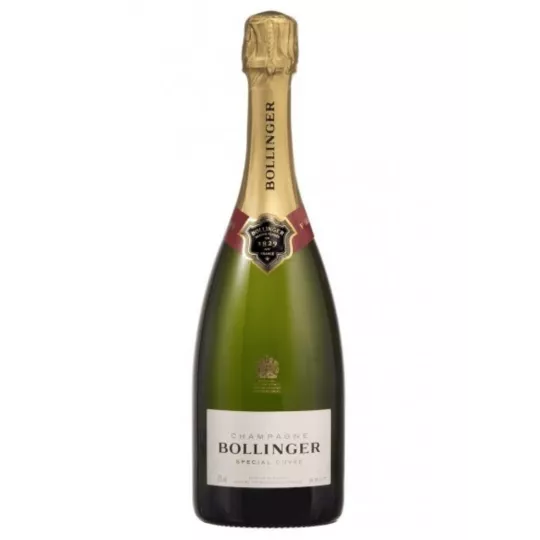
This traditional approach defines the globally recognized savoir-faire of Champagne Bollinger, where base wines are fermented in aged oak casks to build an iconic, structured texture. The subtle air contact during the first fermentation develops complex tertiary aromas, such as dried fruits, brioche, and roasted nuts, which integrate seamlessly with the natural acidity of pinot noir and pinot meunier grapes. The wood acts as an incubator, creating a robust backbone that allows the wine to age gracefully over decades.
The interior surface of an oak stave is rough and porous, providing an ideal anchorage for native or selected yeasts. During fermentation, these yeasts remain in contact with the wine over a larger surface area. This interaction enhances autolysis—the natural breakdown of yeast cells—which imparts savory characteristics and a creamy mouthfeel, mitigating any harshness from the natural acidity of early-harvest grapes.
Introduced widely to the region in the mid-20th century, stainless steel vats revolutionized production by giving winemakers absolute control over temperature and environment. Because these containers are completely inert, they act as a neutral canvas. They do not contribute texture, nor do they allow ambient air interaction, ensuring that the final profile reflects nothing but the pure identity of the specific Champagne terroir.
This technical precision allows for the preservation of intense malic acidity and vibrant citrus profiles. It is the preferred method for creating a highly refreshing, clean style, often found in classic Champagne Brut cuvées. By maintaining a strictly reductive environment, the cellar master ensures that the primary fruit notes remain intact from harvest through the multi-year aging process in the chalk cellars.
Technical Note: According to the official regulations outlined by the Comité Champagne, temperature control during primary fermentation is crucial. Stainless steel cooling jackets allow producers to maintain exact temperatures, often between 16°C and 18°C, to lock in delicate floral esters.
The absence of oxygen in steel fermentation preserves a sharp structural tension. Without the softening effects of wood micro-oxygenation, the tartaric and malic acids remain linear and energetic. This creates a vertical tasting experience, where the wine cuts across the palate with crystalline clarity, a signature characteristic of many contemporary grower Champagnes.
To fully grasp how these two vinification vessels shape the final liquid, it is helpful to contrast their technical outcomes side by side. Each vessel alters the physical parameters of the base wine, shifting the balance between phenolic weight and fruit acidity.
| Technical Attribute | Oak Barrel Fermentation | Stainless Steel Tanks |
|---|---|---|
| Oxygen Exposure | Controlled micro-oxygenation | Strictly anaerobic (reductive) |
| Texture Feel | Broad, creamy, round mid-palate | Linear, vertical, crisp tension |
| Primary Aromas | Subdued, evolving into tertiary notes | High preservation of fruit and floral esters |
| Temperature Stability | Variable, dependent on ambient cellar | Highly precise via cooling jackets |
Modern viticulture rarely forces an absolute choice between one vessel or the other. Instead, many contemporary producers view oak and stainless steel as complementary tools rather than opposing philosophies. A cellar master may choose to ferment their finest chardonnay plots in neutral wood to add depth, while keeping their pinot noir in stainless steel to retain crisp fruit structures.
This delicate art of blending is masterfully demonstrated in the iconic cuvées of Billecart-Salmon, where a portion of the juice is vinified in large oak foudres to introduce a subtle roundness, while the majority stays in temperature-controlled steel to maintain signature freshness. By combining these distinct base wines during the assembly phase, houses achieve an intricate equilibrium of weight, texture, and bright acidity.
When selecting a bottle, looking at the technical sheets can guide your choice based on your structural preferences. If you prefer a lean, energetic, and minerally driven experience, look for producers utilizing 100% stainless steel. If you appreciate a gastronomic bottle with broad shoulders, savory depth, and integrated richness, seek out cuvées with a significant percentage of oak vinification.
A frequent misunderstanding among wine enthusiasts is confusing oak barrel fermentation with the aggressive oak aging common in New World chardonnays. In Champagne, the goal is never to mask the delicate fruit with wood flavors. Barrels are thoroughly treated and reused for years specifically to eliminate any sweet wood lactones or strong vanillin components, focusing strictly on oxygen exchange.
Another misconception is that stainless steel vinification results in simple wines. In truth, stainless steel preserves the high-toned mineral expressions of chalk soils with unmatched clarity. Without the buffering effect of oak, any flaws in the vineyard management or grape quality are immediately exposed. Steel vinification demands absolute perfection during the harvest, as there is no wooden texture to smooth out imperfections in the base wine.
Ultimately, both oak barrels and stainless steel tanks serve critical, distinct purposes in the appellation. Oak provides an evolutionary cradle that softens structural edges through micro-oxygenation and builds a creamy, age-worthy texture. Stainless steel preserves the energetic, laser-focused tension of the grapes, emphasizing pure fruit and terroir definitions. Recognizing these technical nuances transforms an ordinary tasting into an analytical journey through the mechanics of cellar craftsmanship.
 Harvesting grapes for making champagne : all you need to know Wine tourism in Champagne 2024: Our guide to a Sparkling Adventure The different grape varieties of Champagne: complete guide Subtlety in perfection : The Ethos Of Champagne Salon Champagne, Practicality Meets Elegance