Champagne is often associated with celebration and sophisticated dining, but understanding its nutritional and...

Champagne is often associated with celebration and sophisticated dining, but understanding its nutritional and...

Planning the ideal beverage quantities for a wedding, reception, or dinner party requires an accurate understanding...
Choosing between Champagne, Prosecco, and Cava can be challenging when navigating the world of fine sparkling wines....
Hosting an educational champagne tasting at home is an excellent way to explore the unique diversity of the Champagne...
A Distinctive Craft: Unlike the common Rosé d'Assemblage—which blends still red wine into a white base—Champagne...



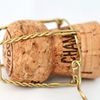

When evaluating wine styles for a tasting menu, structured dinner, or casual gathering, technical parameters such as alcohol content and energy value offer valuable guidance. Champagne is celebrated globally for its rigorous production methods, controlled appellation standards, and distinct structural balance. Understanding its numerical composition and alcohol strength helps enthusiasts select the appropriate cuvée for every setting.
In this complete guide, we examine the precise alcohol percentage and caloric breakdown found in a standard glass of champagne. By exploring traditional grape varieties, structural dosage levels, and serve dynamics, you can make informed choices tailored to your preferences. To better understand regional standards and official regulatory parameters, you can consult the official specifications published by the Comité Champagne.
The alcohol content of champagne typically ranges between 12% and 12.5% ABV (Alcohol By Volume). This concentration develops during the primary fermentation process, where natural grape sugars convert into ethanol, and is subsequently locked in during secondary fermentation in the sealed bottle.
Standard Glass (150 ml at 12.5% ABV) → Approx. 15 grams of pure alcohol
While most non-vintage cuvées maintain a standard strength of 12% to 12.5% ABV, minor variations occur across different production styles:
Compared to other beverage categories, champagne falls in a moderate structural range:
| Wine Style / Category | Average ABV Range |
|---|---|
| Champagne & Sparkling Wine | 12.0% – 12.5% |
| Dry Still White / Rosé Wine | 12.5% – 13.5% |
| Full-Bodied Red Wine | 13.5% – 15.0% |
| Fortified Wine (Port, Sherry) | 18.0% – 20.0% |
The caloric content of champagne comes primarily from two sources: ethanol (alcohol) and residual sugar (the final dosage added after disgorgement). Ethanol provides approximately 7 calories per gram, while carbohydrates (sugar) contribute around 4 calories per gram.
A standard serving of champagne is poured at 150 ml (5 fluid ounces), yielding approximately 90 to 120 calories depending on the dosage level.
Total Calories = (Calories from Ethanol) + (Calories from Residual Sugar)
The sugar added during disgorgement (known as liqueur d'expédition) directly dictates both the sweetness profile and the final energy count:
Choosing lower-dosage styles like Extra Brut or Brut Nature offers a crisp, direct profile with minimal residual carbohydrates.
Several winemaking factors impact the final weight, structural density, and energy value of champagne:
Champagne is primary crafted from three main grape varieties: Chardonnay, Pinot Noir, and Pinot Meunier.
Winemaking philosophies play a distinct role in structural balance. Houses like Bollinger utilize barrel fermentation and reserve wines aged in oak, creating rich, complex textures without altering alcohol standards. Conversely, growers focusing on Organic Champagne or low-intervention practices prioritize natural acidity and lower dosage levels.
To preserve the delicate effervescence, temperature balance, and structural integrity of champagne, consider these technical guidelines:
False. Champagne typically averages 12% to 12.5% ABV, whereas many modern red wines easily reach 14% to 15% ABV.
False. Caloric content varies directly with dosage. A Demi-Sec contains noticeably more calories per glass than an Extra Brut or Zero Dosage style.
False. Carbon dioxide (CO2) affects carbonation and mouthfeel, but it does not increase the physical volume of alcohol in the bottle.
 A Story Of Friendship: Champagne Pol Roger and Sir Winston Churchill Champagne-based cocktails Champagne rosé Serve a good champagne Where to buy Deutz champagne ?