
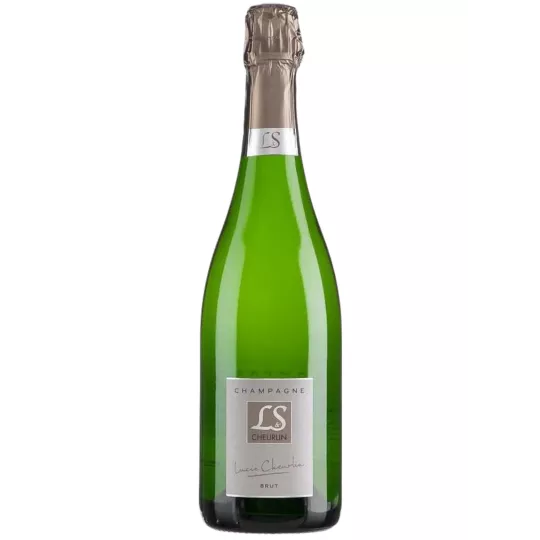
Hosting an educational champagne tasting at home is an excellent way to explore the unique diversity of the Champagne...
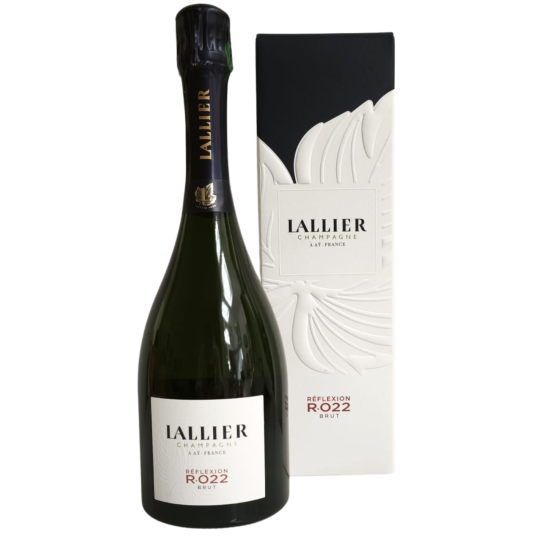


Hosting an educational champagne tasting at home is an excellent way to explore the unique diversity of the Champagne...

A Distinctive Craft: Unlike the common Rosé d'Assemblage—which blends still red wine into a white base—Champagne...
Brut Nature, also known as Zero Dosage, is the driest classification of Champagne, crafted without any added sugar...

Selecting the ideal champagne as a gift involves matching the structural profile of the wine to the specific nature...

Choosing a Champagne depends primarily on the production philosophy you wish to experience in your glass. On one...





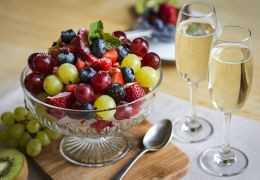
Pairing Champagne with fruit salad is a technical exercise in balancing the natural acidity of fresh fruit with a wine’s specific dosage. To achieve a successful harmony without masking the delicate aromatic nuances of the cuvée, it is essential to understand the chemical interaction between fructose and effervescence. A methodical selection ensures that the wine complements the seasonal produce while respecting the oenological structure and craftsmanship of each bottle. Whether your...

In the heart of the Champagne vineyards, where earth and sky meet to give birth to a golden effervescence, the Maison Pommery proudly stands. Founded in 1858 by Narcisse Greno with the ambition of creating a champagne of unmatched quality, the house quickly became a symbol of refinement and innovation under the visionary leadership of Madame Pommery. Today, we invite you to journey through time and discover the alchemy behind the prestigious Pommery name, with a particular focus on a key...
What defines the unique texture of your favorite Champagne? Beyond the grape varieties and aging, a hidden biological process shapes every bubble: malolactic fermentation. Discover how winemakers balance sharp malic acid and creamy lactic acid to craft structural profiles ranging from razor-sharp freshness to velvety, brioche-infused complexity. A simple guide to understanding the structural engineering behind the pour.

This beginner champagne set offers an affordable and practical introduction to the world of sparkling wine. Priced under €10, it provides essential accessories designed to help newcomers open, serve, and enjoy champagne with confidence. It is an accessible entry point for anyone curious about discovering champagne in a structured and informed way. The set includes useful tools such as cork-removing pliers along with an informative booklet that explains proper serving techniques and tasting...
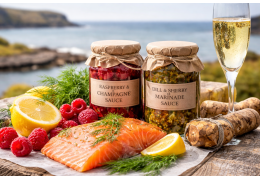
Orkney Herring, based in Stromness in the Orkney Islands, is a respected local producer known for crafting high-quality marinades and sauces enjoyed both in the UK and internationally. Drawing on regional heritage and artisanal expertise, the company offers a refined selection of flavorful products designed to elevate seafood and gourmet dishes alike. Among their standout creations is a distinctive Raspberry & Champagne Sauce, combining the elegant character of sparkling wine with the...

This guide explores the nuances of Champagne tasting and storage, highlighting the importance of temperature at every stage, from the cellar to consumption. It explains that the ideal storage temperature ranges between 10°C and 12°C to ensure optimal maturation of Champagne, while the serving temperature should be between 8°C and 10°C to fully reveal its delicate aromas and the finesse of its bubbles. The guide also discusses the typical alcohol content of Champagne, which is essential to...

This Champagne-themed board game is an interactive DVD mystery experience designed for groups of eight or more players. Created by Paul Lamond Games and featuring Michael Winner, it immerses adults and older teenagers in a suspenseful storyline set in the vibrant summer of 1976 in Chelsea, London. What begins as a stylish dinner gathering quickly turns into a gripping murder investigation. Affordable and engaging, the game is priced at just over £10, making it an accessible addition to a...
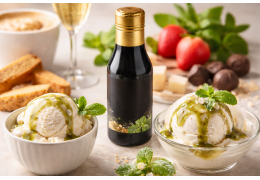
This luxury champagne mint sauce by Cuisine Eperel brings a refined twist to classic desserts. Designed as a pourable topping, it enhances a wide range of sweet treats, from ice cream and coffee to biscuits, cakes, and cream-based desserts. The combination of champagne notes and fresh mint creates a distinctive flavor profile that adds depth and originality to everyday indulgences. Presented in an elegant black bottle with a gold cap, the sauce also works perfectly as a standalone gift. Its...
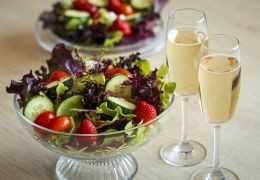
Combining vegetarian gastronomy with the excellence of Champagne requires a technical understanding of aromatic balances. Far from being limited to traditional pairings, plant-based cuisine offers a wide range of textures—from the earthiness of root vegetables to the delicate crunch of seasonal greens—that interact beautifully with different grape varieties. By focusing on the structural components of the wine, such as acidity levels and yeast-driven complexity, enthusiasts can create...

Dive into the defining trend reshaping the world of sparkling wine: the structural shift from traditional sugar levels toward the absolute purity of Brut Nature and Non Dosé. This educational guide breaks down the precise technical balance between sugar and natural acidity, while highlighting the rigorous vineyard and cellar standards required to craft unadulterated cuvées that truly showcase the raw identity of their terroir. Whether you are an enthusiast or a professional, you will...
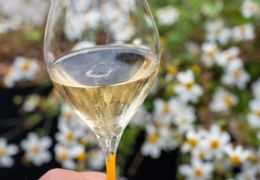
This comprehensive guide explores the analytical world of low-dosage and zero-dosage Champagnes, detailing the technical distinctions between Brut, Extra Brut, and Brut Nature categories. Driven by changing viticultural techniques and modern environmental shifts, contemporary cellarmasters increasingly eliminate the traditional final sugar additions to highlight the pure mineral profile of their vineyards. Readers will discover how precise grape maturity, structural acidity, and patient...
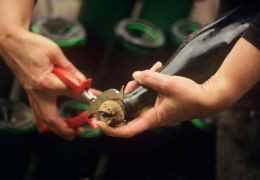
This comprehensive guide explores the fascinating world of post-disgorgement aging, a crucial yet often overlooked phase in a Champagne's lifecycle. Designed for wine enthusiasts and collectors alike, the article demystifies what happens inside the bottle after the sediment is removed and the final cork is secured. Readers will discover the structural and aromatic transformations that occur over time, shifting from vibrant fruit freshness to rich, complex tertiary notes like honey and toasted...