
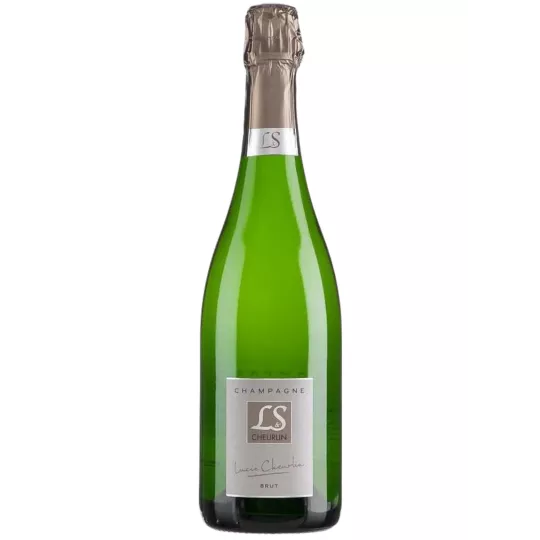
Opening a bottle of sparkling wine is traditionally associated with celebration, precision, and high winemaking...
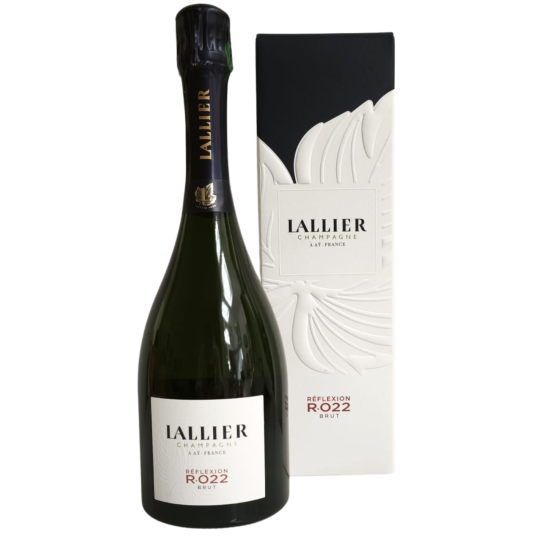


Opening a bottle of sparkling wine is traditionally associated with celebration, precision, and high winemaking...

Decoding Champagne producer codes offers a fascinating look into the craft and structure behind every bottle. Beyond...

Champagne is often associated with celebration and sophisticated dining, but understanding its nutritional and...

Planning the ideal beverage quantities for a wedding, reception, or dinner party requires an accurate understanding...

Choosing between Champagne, Prosecco, and Cava can be challenging when navigating the world of fine sparkling wines....






A Distinctive Craft: Unlike the common Rosé d'Assemblage—which blends still red wine into a white base—Champagne Rosé de Saignée gets its deep, ruby color and robust structure from direct maceration with black grape skins (primarily Pinot Noir and Pinot Meunier). This demanding "bleeding" process yields a full-bodied, vinous sparkling wine bursting with expressive notes of wild strawberries, sour cherries, and warm spices.A Gastronomic Powerhouse: Due to its bold structure and...

While wine and cheese are classic culinary partners, red wine's heavy tannins often clash with the creamy texture and lactic acidity of cheese. Champagne serves as an excellent alternative, using its natural acidity, effervescence, and complex autolytic notes (derived from yeast aging) to physically cut through fats, cleanse the sensory receptors of the tongue, and prevent palate fatigue during a tasting. To achieve a balanced pairing, the structure of the wine must align with the moisture...

Rosé champagne gets its color and flavor from red grapes, mainly pinot noir and pinot meunier. It offers aromas of red fruits and delicate floral notes. On the palate, it reveals harmonious flavors of ripe red fruits with a slight acidity and a creamy texture.For summer evenings, rosé champagne is the ideal choice. Its sparkling freshness and lightness perfectly quench your thirst. It goes well with a variety of summer dishes, from seafood to spicy grilled meats. Popular brands such as Veuve...

In this blog post, we'll explore four of the most popular types of champagne: Brut, Extra Brut, Demi-sec, and Rosé - their characteristics, taste profiles, and appropriate occasions for each type. We'll also give you some tips for choosing the right champagne for your next event.