Champagne is often associated with celebration and sophisticated dining, but understanding its nutritional and...
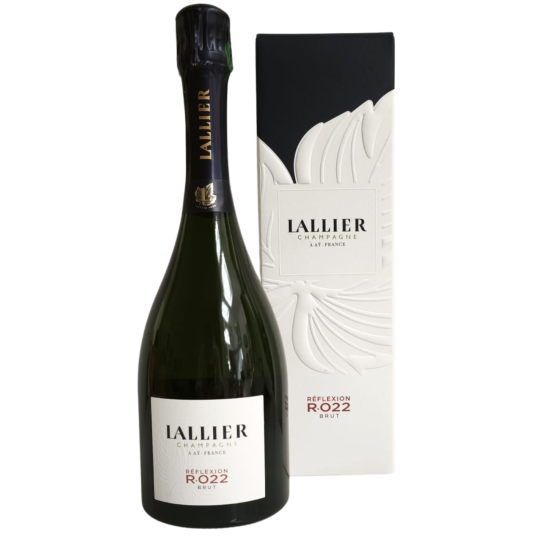

Champagne is often associated with celebration and sophisticated dining, but understanding its nutritional and...
Planning the ideal beverage quantities for a wedding, reception, or dinner party requires an accurate understanding...
Choosing between Champagne, Prosecco, and Cava can be challenging when navigating the world of fine sparkling wines....
Hosting an educational champagne tasting at home is an excellent way to explore the unique diversity of the Champagne...
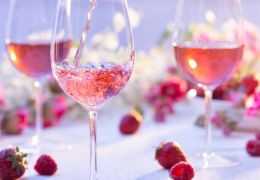
A Distinctive Craft: Unlike the common Rosé d'Assemblage—which blends still red wine into a white base—Champagne...
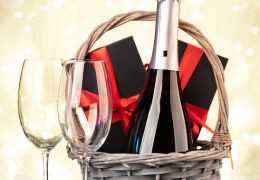

Selecting a bottle of champagne to mark a milestone is an art that reflects thoughtfulness, respect for winemaking tradition, and attention to detail. Whether celebrating a major anniversary, a wedding, or a housewarming party, a carefully chosen sparkling wine serves as an elegant centerpiece for any celebration. To guide your decision, this article explores the nuances of terroir, grape varieties, and structural styles suitable for various milestones. Understanding these differences allows you to pair the right bottle with the right moment, offering an authentic expression of the region's heritage.
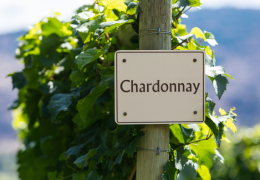
To find the ideal bottle, it is essential to look closely at the primary categories and production methods that define the Champagne region. The identity of each bottle is shaped by its specific grape composition—primarily Chardonnay, Pinot Noir, and Pinot Meunier—along with its aging process and soil origin.
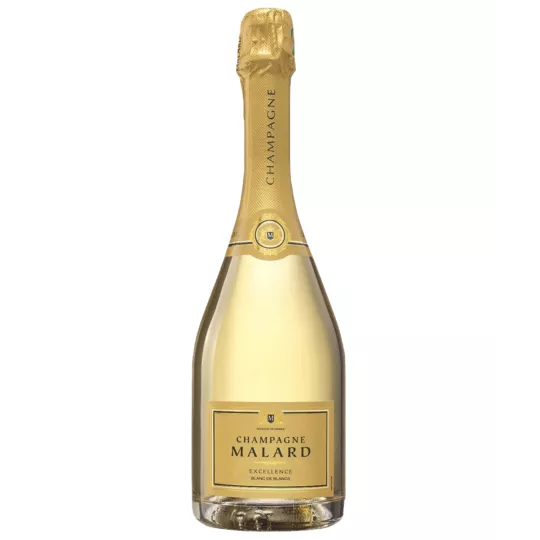
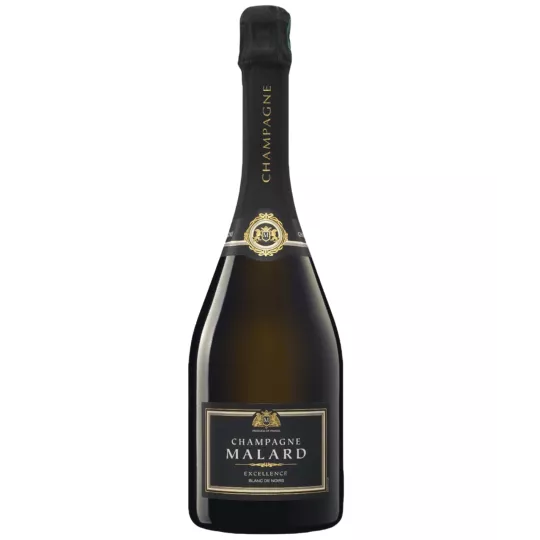
For instance, a Blanc de Blancs Champagne is crafted entirely from white grapes, usually Chardonnay. These bottles offer a crisp, mineral-forward profile with notes of citrus and white flowers, making them highly appreciated by enthusiasts who value precision and freshness. On the other hand, a Blanc de noirs Champagne is made exclusively from dark-skinned grapes, delivering a more structured, robust texture with subtle hints of red fruit and a broader vinous character.
The aging duration also transforms the character of the wine. While non-vintage options offer consistent house styles year after year, Champagne vintages represent grapes harvested from a single exceptional year. These bottles undergo extended lees aging, developing complex aromas of brioche, toasted nuts, and dried fruit. According to the Comité Champagne, vintage cuvées must spend a minimum of three years aging in the cellars, though many producers extend this period significantly to achieve greater depth.
Different milestones call for distinct profiles. Matching the bottle's characteristics to the context of the event ensures your gift is both practical and fitting for the day.
Weddings call for balanced, universally appreciated styles that perform well during a formal reception or a multi-course dinner. A premium Brut Champagne represents the traditional standard, offering a balanced dosage that pairs easily with diverse menus. For a highly prestigious gift, choosing an iconic house like Ruinart ensures a clean, elegant presentation that honors the importance of the marriage ceremony.
An anniversary is an invitation to look back at time elapsed, making it the perfect opportunity to gift a bottle capable of aging or one with a historical character. A structured bottle from a historic producer like Bollinger provides a deep, vinous experience driven by Pinot Noir. If the recipients appreciate artisanal viticulture, opting for dedicated Champagne Winegrowers highlights the specificities of single-vineyard terroirs and independent craftsmanship.
Housewarming gatherings are typically relaxed, convivial events where versatility is key. A vibrant Rosé champagne brings a bright, fruity profile that complements casual appetizers and charcuterie boards. Alternatively, selecting an organic option from houses like Fleury, a pioneer in biodynamic viticulture, provides a refreshing conversation starter for hosts opening the doors to their new home.
When browsing a portfolio to make your final choice, three technical factors can help you narrow down the options effectively:
To ensure your gift is enjoyed exactly as the winemaker intended, avoid these common pitfalls regarding storage and serving tools.
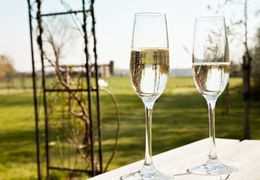
First, avoid serving fine sparkling wine in narrow plastic cups or old-fashioned wide coupes. Proper Champagne glasses feature a tulip shape that tapers slightly at the top, which helps retain the delicate aromas and directs the bubble stream efficiently to the palate.
Second, be mindful of temperature and light exposure. Extended storage in a standard kitchen refrigerator can dry out the cork, leading to premature oxidation. Bottles should be stored horizontally in a cool, dark place away from direct sunlight and sudden temperature shifts. When serving, aim for a temperature between 8°C and 10°C; serving a premium bottle too cold mutes its aromatic complexity and subdues the subtle characteristics of the terroir.
 Champagne-based cocktails Serve a good champagne Where to buy Deutz champagne ? How to choose the right champagne to accompany a meal ? Where to find cheap champagne: our tips for buying good wine at a low price ?