Decoding Champagne producer codes offers a fascinating look into the craft and structure behind every bottle. Beyond...

Decoding Champagne producer codes offers a fascinating look into the craft and structure behind every bottle. Beyond...
Champagne is often associated with celebration and sophisticated dining, but understanding its nutritional and...
Planning the ideal beverage quantities for a wedding, reception, or dinner party requires an accurate understanding...
Choosing between Champagne, Prosecco, and Cava can be challenging when navigating the world of fine sparkling wines....
Hosting an educational champagne tasting at home is an excellent way to explore the unique diversity of the Champagne...
In the historic, cool-climate chalk hills of northern France, a quiet revolution has taken root. For centuries, sparkling wines relied on a final touch of sweetness to soften their vibrant, naturally high acidity. Yet, modern wine enthusiasts increasingly seek transparency, structural depth, and authentic craftsmanship. This demand has placed a unique, unadorned style at the forefront of contemporary viticulture: Brut Nature champagne.
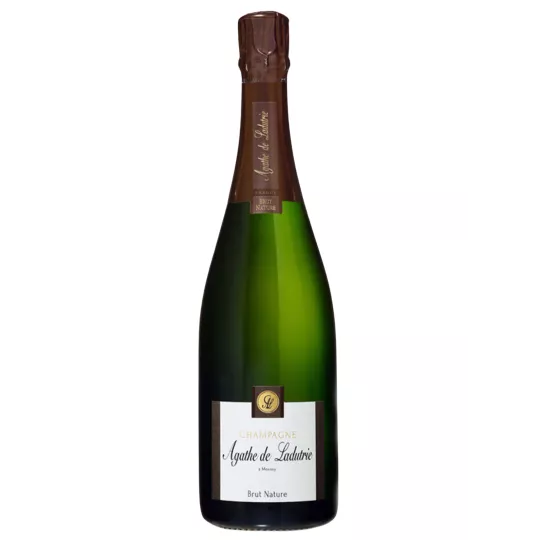
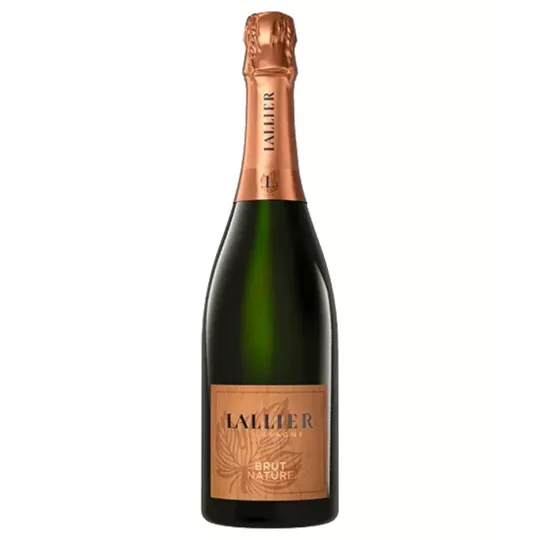
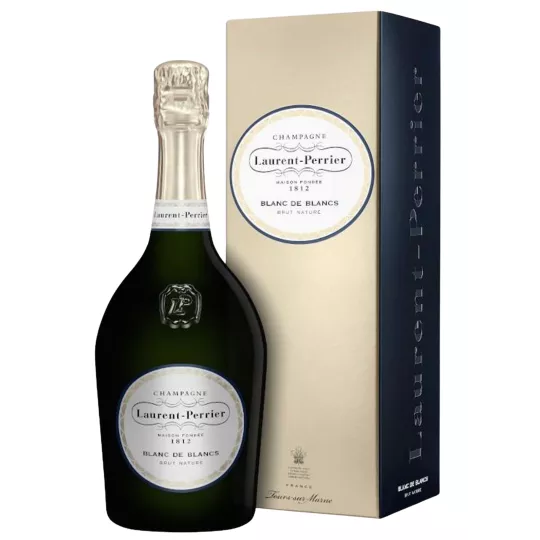
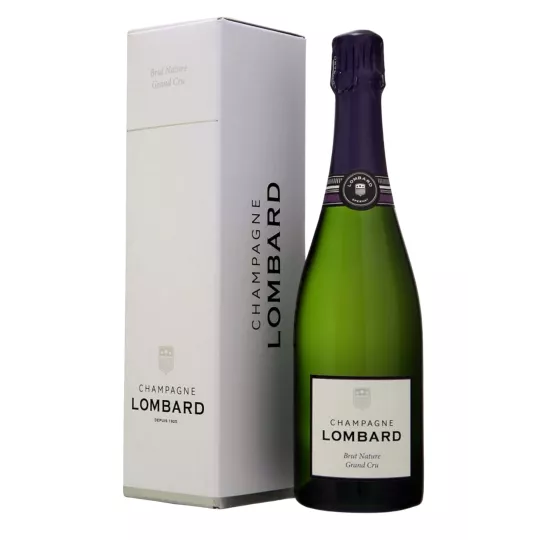
Also known as Zero Dosage, Pas Dosé, or Non-Dosé, a Brut Nature champagne is bottled completely without added sugar. It represents the wine in its rawest state, offering a direct window into the soil, the climate, and the vintage. If you want to understand how this bone-dry style differs from a classic, balanced Brut Champagne, this educational guide covers everything from technical production methods to perfect culinary pairings.
To grasp what makes a non-dosed sparkling wine unique, we must look at the traditional method (méthode champenoise) of production. During this process, a critical final step defines the final style and residual sugar levels of the finished bottle.
After spent yeast cells (lees) age inside the bottle for several years, the sediment is collected in the neck through a turning process called riddling. During disgorgement, the neck is frozen, and the high pressure inside the bottle expels the icy plug of yeast. This process leaves a small empty space that must be refilled before the final corking.
Historically, winemakers filled this void with a mixture of reserve wine and cane sugar, known as the liqueur d'expédition or dosage. This addition acts as a balancing agent, smoothing out the naturally high acidity of cool-climate grapes. The amount of sugar added determines the official classification regulated by the Comité Champagne:
While a standard Brut Champagne relies on a small dosage to create a harmonious, approachable texture, a Zero Dosage wine completely skips the sugar addition, exposing the raw, clean structure of the grapes.
Producing a balanced sparkling wine without any dosage requires exceptional viticultural skills. Without sugar to mask imperfections or soften sharp edges, winemakers must focus on natural balance from the vineyard to the cellar.
To prevent a non-dosed wine from tasting aggressively tart, growers must harvest grapes at perfect physiological ripeness. This requires precise canopy management and low yields to ensure the fruit carries natural sugar levels high enough to balance the high acidity of the cool region.
Time is the ultimate tool for softening a dry sparkling wine. By keeping the wine on its lees for several years, winemakers allow autolysis to take place. This slow breakdown of yeast cells releases proteins that build a creamy, round texture on the palate. This physical weight counters the crisp acidity naturally, without the need for chemical additions.
Many prominent producers of non-dosed cuvées rely on biodynamic farming to achieve natural richness. For instance, the renowned estate Larmandier-Bernier practices biodynamic viticulture to yield deep-rooted grapes that capture the intense mineral complexity of chalk soils. This natural depth ensures the wine remains structurally sound and expressive without any dosage.
Deciding between these categories depends heavily on your personal taste preferences and what you plan to eat with the wine.
Because these wines lack sugar and carry intense, crisp acidity, they serve as remarkable partners at the dinner table. They act as natural palate cleansers, cutting through rich textures while amplifying delicate sea notes.
To enjoy these pairings fully, make sure to use high-quality Champagne glasses. Opt for a tulip-shaped glass rather than a narrow flute; this shape allows the delicate mineral aromas to breathe and expand properly.
Because non-dosed wines are highly sensitive and transparent, minor serving errors can easily dull their expressive qualities.
While sparkling wine should be served chilled, placing a non-dosed bottle in an ice bucket until it drops to 4°C (39°F) will mute its aromatic complexity. Extreme cold emphasizes the sharp acidity and hides the subtle yeasty flavors. Aim to serve it between 8°C and 10°C (46°F to 50°F).
Serving a bone-dry sparkling wine alongside sweet pastries or wedding cake is a common mistake. The sugar in the dessert will make the wine taste sour, thin, and aggressively acidic. For sweet dishes, always choose a sweeter style like a Demi-sec Champagne.
A Zero Dosage wine develops significantly as it sits in the glass and warms up slightly. Take your time during the tasting. Allow the wine to breathe; you will notice that the initial laser-focused acidity opens up to reveal deeper notes of toasted almonds, lemon zest, and dried flowers.
Many historic houses and artisanal growers have embraced the zero-dosage movement to showcase their finest plots without compromise.
For those who enjoy rich, structured wines, the house of Drappier is highly recognized for its non-dosé cuvées, which feature minimal sulfur additions and a deep Pinot Noir character. If you prefer a highly refined, delicate, and fresh profile, Billecart-Salmon produces pristine expressions that highlight exceptional purity and tension.
Whether you are a seasoned collector or a curious amateur, exploring a Brut Nature champagne provides an uncompromised, genuine taste of northern France's remarkable soils.
 Buying Champagne Online : Everything you need to know The 4 Most Popular Types of Champagne : A Detailed Guide The history of champagne : From the Middle Ages to modern times Where to buy Ruinart champagne ? What is special about saignée rosé champagne ?