
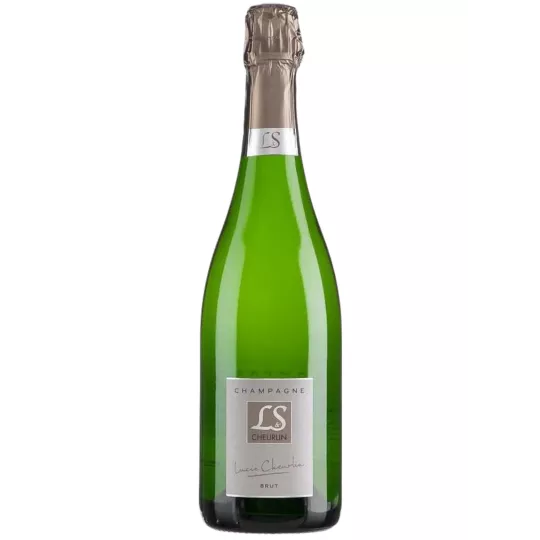
Hosting an educational champagne tasting at home is an excellent way to explore the unique diversity of the Champagne...
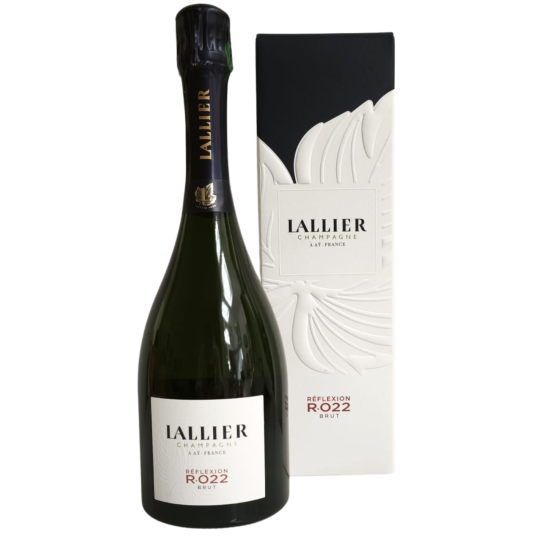


Hosting an educational champagne tasting at home is an excellent way to explore the unique diversity of the Champagne...

A Distinctive Craft: Unlike the common Rosé d'Assemblage—which blends still red wine into a white base—Champagne...
Brut Nature, also known as Zero Dosage, is the driest classification of Champagne, crafted without any added sugar...

Selecting the ideal champagne as a gift involves matching the structural profile of the wine to the specific nature...

Choosing a Champagne depends primarily on the production philosophy you wish to experience in your glass. On one...




The production of champagne is a complex process that involves several key steps. The first step is the vinification of the champagne, where the grapes are pressed to extract the juice, which is then fermented. This fermented juice is then mixed with other ingredients, such as sugar and reserve wine, to produce the champagne base. The second stage is the aging of the champagne, which can last from several months to several years. It is during this time that the flavors and aromas of champagne develop and stabilize.
The third stage is the riddling of the champagne, which consists of turning the bottles regularly so that the solid deposits collect at the top of the bottle. This process also helps aerate the champagne and enhance its aromas and flavor. The fourth step is the disgorging of the champagne, where solid deposits are removed from the bottle.
The fifth and final step is corking the champagne, where the bottle is sealed with a cork stopper to prevent air from getting inside. This process definitively closes the production of champagne and allows its aromas and flavor to be preserved for many years.
Champagne making is a long and complex process that requires careful attention at every stage to ensure the quality of the final product. The stages of champagne, such as champagne vinification and champagne corking, are all crucial to obtaining a top quality champagne.

Blanc de Blancs and Blanc de Noirs represent the fascinating world of monocépage Champagnes, where wines are crafted entirely from a single grape variety rather than traditional blends. A classic Blanc de Blancs is made exclusively from white grapes, predominantly Chardonnay, resulting in an elegant, crisp, and linear profile celebrated for its vibrant citrus notes, sharp acidity, and chalky minerality. This style offers exceptional precision and outstanding aging potential, making it a...
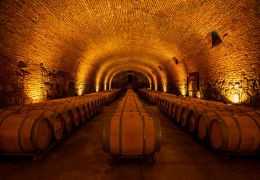
Découvrez les secrets de fabrication qui façonnent l'identité de vos cuvées préférées en plongeant au cœur du travail des chefs de cave. Ce guide technique vous révèle comment le choix du contenant lors de la première fermentation transforme radicalement le profil d'un Champagne. Vous comprendrez ainsi la différence entre la vinification traditionnelle en fûts de chêne, qui apporte de la rondeur et de la complexité grâce à une micro-oxygénation maîtrisée, et la modernité des cuves en acier...

Choosing an affordable small-producer champagne is an excellent alternative to major houses, combining quality, authenticity, and accessible pricing. Thanks to the expertise of independent winemakers, these champagnes offer unique flavors and a true expression of the Champagne terroir. Whether by exploring winegrower fairs, purchasing online, or visiting producers directly, there are many opportunities to discover these hidden gems. By choosing an artisanal champagne, you support local...
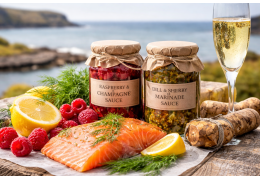
Orkney Herring, based in Stromness in the Orkney Islands, is a respected local producer known for crafting high-quality marinades and sauces enjoyed both in the UK and internationally. Drawing on regional heritage and artisanal expertise, the company offers a refined selection of flavorful products designed to elevate seafood and gourmet dishes alike. Among their standout creations is a distinctive Raspberry & Champagne Sauce, combining the elegant character of sparkling wine with the...
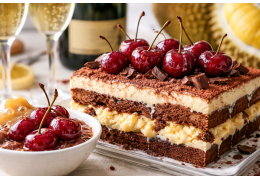
Champagne proves once again that it is far more than just a drink for celebrations. When paired thoughtfully, it can elevate even the most unexpected desserts, transforming familiar flavours into something memorable and conversation-worthy. By following a few simple pairing principles, champagne becomes a versatile ingredient capable of enhancing sweetness, texture, and overall indulgence. A perfect illustration of this creativity can be found in the Durian-Chocolate Tiramisu with...
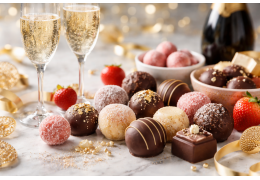
AIDA has established itself as a specialist in champagne-infused confectionery, offering a diverse and indulgent range of sweets crafted for those who value quality and originality. From champagne and marzipan treats to dark mint truffles, each creation highlights the refined flavour of champagne while delivering a distinctive tasting experience. Beyond variety, AIDA stands out for its commitment to natural production methods. By avoiding chemical preservatives, the brand ensures authentic...
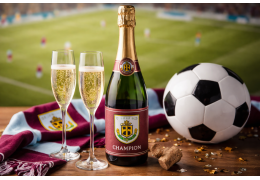
This article highlights an original concept that brings together two passions: football and champagne. Designed for fans who enjoy celebrating their love of the game in style, the personalised champagne service allows customers to customise their bottle with text, images, or even photographs linked to their favourite club. Beyond the personalisation, the focus is also on quality. The champagne selected for this service is carefully sourced to ensure it lives up to expectations, making it an...
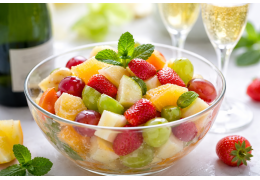
This fresh fruit salad with champagne offers a light and refreshing alternative to traditional fruit desserts. Combining crisp apples, juicy pears, citrus fruits, and seedless grapes, the recipe balances natural sweetness with bright, vibrant flavours. A touch of honey enhances the fruit without overpowering it, while champagne adds a refined, celebratory note. Quick and easy to prepare, this dish requires minimal effort and can be assembled in under an hour. After a short rest in the...
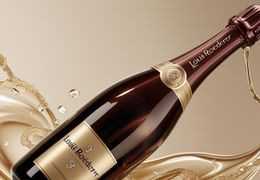
The Louis Roederer website offers a truly immersive experience, setting itself apart from typical champagne brand websites. From the moment visitors arrive, they're greeted with a cinematic introduction accompanied by music—more reminiscent of a film trailer than a corporate homepage. This attention to sensory detail immediately signals that the brand values not just luxury, but also creativity and storytelling. Beyond aesthetics, the site features engaging and interactive content, including...

18004Champagne is redefining the champagne delivery industry in the United States by offering unparalleled service and nationwide availability. Established in 1998, the company ensures same-day or next-day delivery of a vast selection of gift-wrapped champagnes and related gifts. With an extensive range of products, from premium brands to more affordable options, they set a new benchmark for quality and convenience. Their wide-reaching distribution network enables them to meet strict delivery...

Champagne, a symbol of elegance and refined taste, has inspired craftsman Isaac Reina to create an accessory that matches its prestige. Reina, a noted Parisian designer with roots in Spain and collaborations with Perrier-Jouët, has designed a bespoke travel bag exclusively for the Belle Epoque champagne bottle. This limited edition bag, one of just 40 pieces, combines durability with luxury, featuring a pea-green interior, space for two glasses, and a champagne notebook, making it an...

Champagne Salon epitomizes the elegance and fervor of the 1920s, offering a luxurious drinking experience. This unique champagne boasts a fine, persistent mousse and a creamy, long finish that delights the palate with a symphony of saline and bergamot flavors, followed by notes of vanilla, dried fruits, and butter, all culminating in a refreshing burst of grapefruit and fig. The champagne's exceptional quality and character are credited to the singular vision of Aimé Salon and the distinctive...