
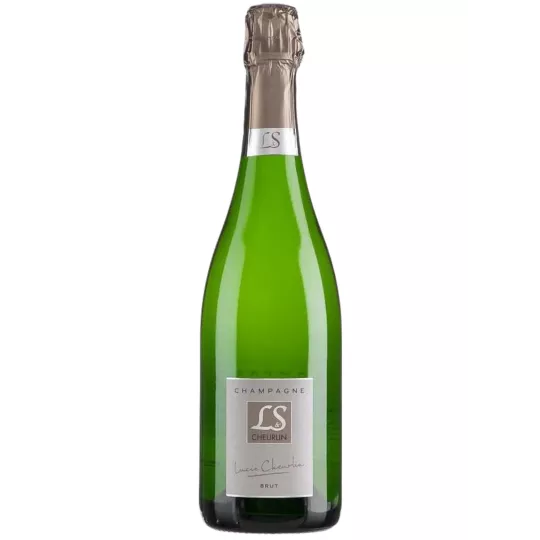
Hosting an educational champagne tasting at home is an excellent way to explore the unique diversity of the Champagne...
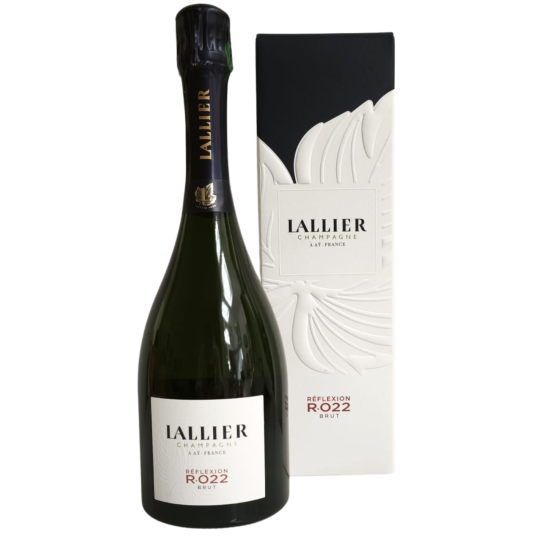


Hosting an educational champagne tasting at home is an excellent way to explore the unique diversity of the Champagne...
A Distinctive Craft: Unlike the common Rosé d'Assemblage—which blends still red wine into a white base—Champagne...
Brut Nature, also known as Zero Dosage, is the driest classification of Champagne, crafted without any added sugar...

Selecting the ideal champagne as a gift involves matching the structural profile of the wine to the specific nature...

Choosing a Champagne depends primarily on the production philosophy you wish to experience in your glass. On one...




The production of champagne is a complex process that involves several key steps. The first step is the vinification of the champagne, where the grapes are pressed to extract the juice, which is then fermented. This fermented juice is then mixed with other ingredients, such as sugar and reserve wine, to produce the champagne base. The second stage is the aging of the champagne, which can last from several months to several years. It is during this time that the flavors and aromas of champagne develop and stabilize.
The third stage is the riddling of the champagne, which consists of turning the bottles regularly so that the solid deposits collect at the top of the bottle. This process also helps aerate the champagne and enhance its aromas and flavor. The fourth step is the disgorging of the champagne, where solid deposits are removed from the bottle.
The fifth and final step is corking the champagne, where the bottle is sealed with a cork stopper to prevent air from getting inside. This process definitively closes the production of champagne and allows its aromas and flavor to be preserved for many years.
Champagne making is a long and complex process that requires careful attention at every stage to ensure the quality of the final product. The stages of champagne, such as champagne vinification and champagne corking, are all crucial to obtaining a top quality champagne.
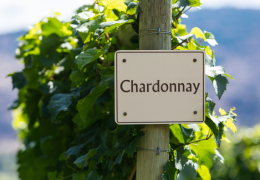
Immersing yourself in the world of Champagne grape varieties is a captivating sensory journey, where each variety - Chardonnay, Pinot Noir and Pinot Meunier - reveals its unique characteristics and contributes to the richness of the blends.The gentle hills of the Champagne region harbor the secrets of this art of blending, where vines stretch as far as the eye can see and each grape variety, with its distinct nuances, plays a crucial role in the creation of this sparkling wine. From the...
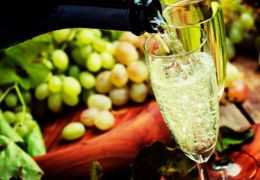
Explore the very essence of Champagne in 2024 with our comprehensive guide to wine tourism. From prestigious houses to picturesque vineyards, immerse yourself in a sparkling adventure combining centuries-old traditions and unique sensory discoveries.
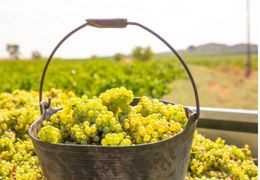
At every stage of grape selection and harvesting - from choosing grape varieties to selecting individual berries and finally picking - winemakers take great care to ensure that only high quality grapes go into the production of Champagne.