
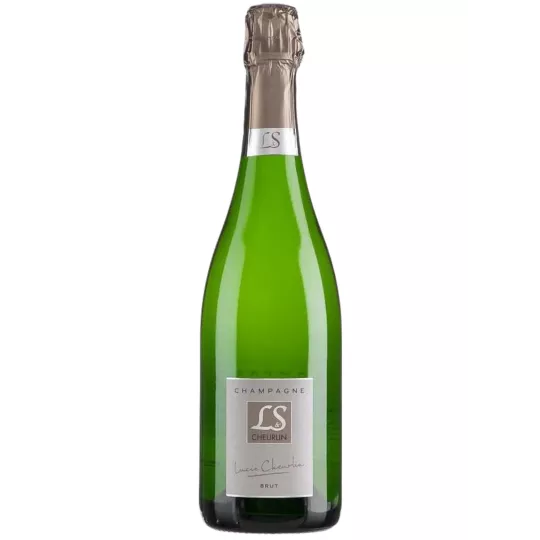
Hosting an educational champagne tasting at home is an excellent way to explore the unique diversity of the Champagne...
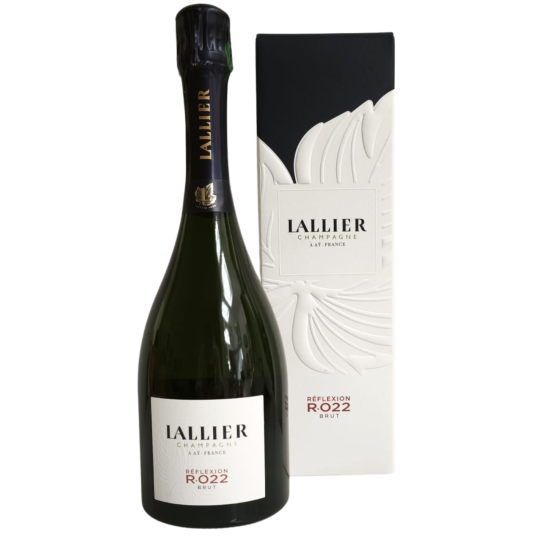


Hosting an educational champagne tasting at home is an excellent way to explore the unique diversity of the Champagne...

A Distinctive Craft: Unlike the common Rosé d'Assemblage—which blends still red wine into a white base—Champagne...
Brut Nature, also known as Zero Dosage, is the driest classification of Champagne, crafted without any added sugar...

Selecting the ideal champagne as a gift involves matching the structural profile of the wine to the specific nature...

Choosing a Champagne depends primarily on the production philosophy you wish to experience in your glass. On one...




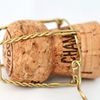

To choose the perfect champagne to pair with your main course, it is important to consider several factors. Champagne is known for its balanced acidity and light sweetness, as well as its fine foam, which make it an excellent choice for a variety of dishes. For white meat dishes such as fish or poultry, dry and light champagnes are best suited, while full-bodied champagnes are ideal for red meats. It's also important to consider the flavors of each ingredient in order to bring out the best aromas and flavors in each.
In addition to its light sweetness and balanced acidity, Champagne can offer a range of other flavor profiles that can be taken into consideration when pairing with food. Many Champagnes have citrus, apple or pear notes, making them ideal companions for lighter seafood dishes like salmon or trout. On the other hand, richer champagnes, such as those made from the Pinot Noir grape, are better suited to heartier dishes such as steak or lamb chops. When pairing champagne with desserts such as cakes or pancakes, the sweeter varieties are often preferable due to their higher sugar content.
It should also be noted that the temperature of food and wine should be considered when serving them together. If both elements are too cold, they can have a numbing effect on the palate, while temperatures that are too hot can dull some of the more delicate flavors. Serving both at a comfortable room temperature is usually ideal to fully enjoy all of their delicious nuances and aromas.
All in all, there is no one-size-fits-all approach to pairing main courses with champagne, but by considering flavor profiles and temperatures, you can create an unbeatable combination!
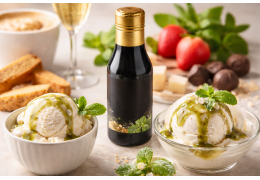
This luxury champagne mint sauce by Cuisine Eperel brings a refined twist to classic desserts. Designed as a pourable topping, it enhances a wide range of sweet treats, from ice cream and coffee to biscuits, cakes, and cream-based desserts. The combination of champagne notes and fresh mint creates a distinctive flavor profile that adds depth and originality to everyday indulgences. Presented in an elegant black bottle with a gold cap, the sauce also works perfectly as a standalone gift. Its...

This beginner champagne set offers an affordable and practical introduction to the world of sparkling wine. Priced under €10, it provides essential accessories designed to help newcomers open, serve, and enjoy champagne with confidence. It is an accessible entry point for anyone curious about discovering champagne in a structured and informed way. The set includes useful tools such as cork-removing pliers along with an informative booklet that explains proper serving techniques and tasting...
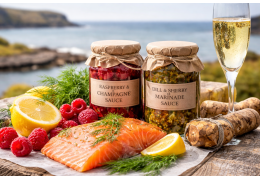
Orkney Herring, based in Stromness in the Orkney Islands, is a respected local producer known for crafting high-quality marinades and sauces enjoyed both in the UK and internationally. Drawing on regional heritage and artisanal expertise, the company offers a refined selection of flavorful products designed to elevate seafood and gourmet dishes alike. Among their standout creations is a distinctive Raspberry & Champagne Sauce, combining the elegant character of sparkling wine with the...
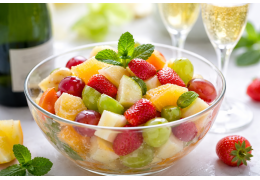
This fresh fruit salad with champagne offers a light and refreshing alternative to traditional fruit desserts. Combining crisp apples, juicy pears, citrus fruits, and seedless grapes, the recipe balances natural sweetness with bright, vibrant flavours. A touch of honey enhances the fruit without overpowering it, while champagne adds a refined, celebratory note. Quick and easy to prepare, this dish requires minimal effort and can be assembled in under an hour. After a short rest in the...

The "Champagne Event For Girls Only" is a lively annual celebration tailored exclusively for women, offering the perfect opportunity for friends to let loose and enjoy an unforgettable evening. Taking place on July 1st in Lincoln, this £30-per-person soirée promises a fun-filled atmosphere with laughter, dancing, and socializing at its heart. It's the ideal night out for any woman looking to unwind and bond with her circle of girlfriends. With standout entertainment, including a performance...

The Bubble Lounge, located at 228 West Broadway in New York City, is the ultimate champagne destination for special events, including birthdays, corporate gatherings, and engagement parties. This stylish venue boasts an impressive selection of 300 champagne varieties, offering a sophisticated yet welcoming atmosphere. With a well-designed interior that balances elegance and functionality, guests can enjoy an exceptional experience. For reservations, press coverage, and menu options, visit The...

Tregida Smokehouse is a renowned name in the world of fine food and drink, offering premium smoked salmon, artisanal cheeses, luxury hampers, and corporate gift packages. With numerous Food & Drink awards and even a royal endorsement, their reputation for quality is well established. Supplying esteemed establishments like Rick Stein's delicatessen, they bring exceptional flavors to discerning customers at surprisingly competitive prices.For those looking to pair their gourmet selections...

The Champagne Cookbook by Malcolm Hebert is a delightful 128-page guide that celebrates the versatility of champagne in cooking. Ideal for both novice cooks and seasoned chefs, the book features a wide range of recipes that incorporate champagne into soups, fish, red meat, desserts, and even cocktails, ensuring there's something to suit every palate and occasion. Drawing inspiration from culinary traditions across California, Europe, and beyond, the cookbook highlights champagne's potential...

Immerse yourself in a world of elegance and delight with our exclusive guide to the best champagnes for an unforgettable Valentine's Day. Discover timeless classics such as Dom Pérignon and Veuve Clicquot, symbols of elegance and refinement, as well as affordable options such as Nicolas Feuillatte and Mumm, proving that champagne can be enjoyed without breaking the bank. Also explore emerging trends with biodynamic champagnes and exceptional vintages, offering a unique experience with each...
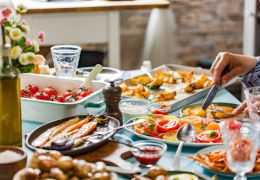
The text explores the changing popularity of vegetarian dishes, highlighting their diversity from vegetables to legumes and vegetarian cheeses. Emphasis is placed on the crucial importance of pairing food and champagne to create a harmonious taste experience. Providing detailed advice, the article offers classic, original and exotic pairings to accompany different types of vegetarian dishes. It also highlights the importance of considering the texture of dishes, giving readers an expanded...

Champagne tasting is much more than a simple act of drinking. It is a sensory experience that allows us to fully appreciate the quality and nuances of such a special sparkling wine. By exploring the different styles of champagne, from brut to sweet, one discovers a palette of unique flavors and aromas. During the tasting, the color, the aromas and the structure of the champagne are important elements to note. Observing the color, smelling the nose of the champagne and appreciating the...

Rosé champagne gets its color and flavor from red grapes, mainly pinot noir and pinot meunier. It offers aromas of red fruits and delicate floral notes. On the palate, it reveals harmonious flavors of ripe red fruits with a slight acidity and a creamy texture.For summer evenings, rosé champagne is the ideal choice. Its sparkling freshness and lightness perfectly quench your thirst. It goes well with a variety of summer dishes, from seafood to spicy grilled meats. Popular brands such as Veuve...