
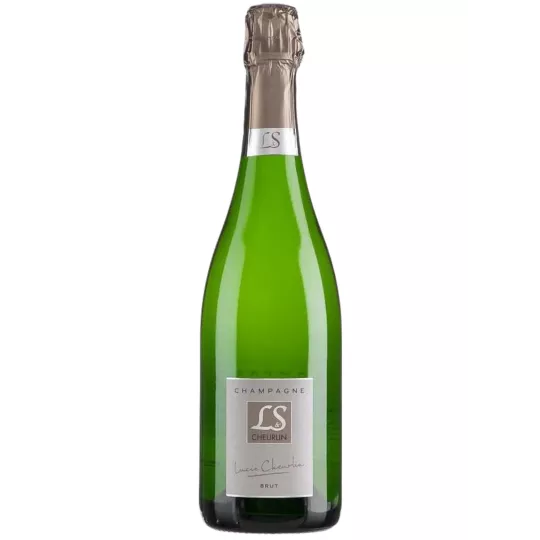
Hosting an educational champagne tasting at home is an excellent way to explore the unique diversity of the Champagne...
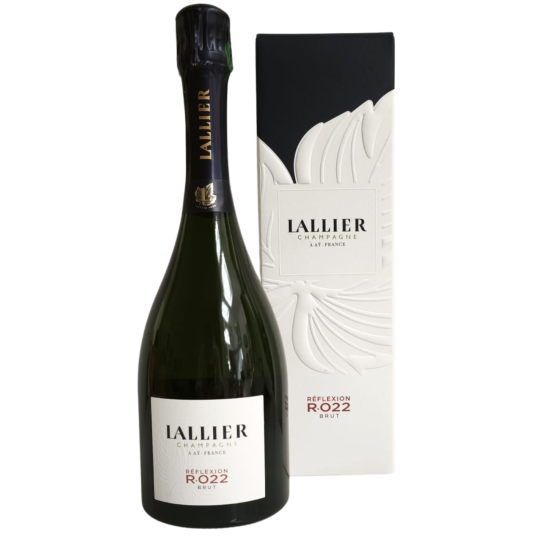


Hosting an educational champagne tasting at home is an excellent way to explore the unique diversity of the Champagne...

A Distinctive Craft: Unlike the common Rosé d'Assemblage—which blends still red wine into a white base—Champagne...
Brut Nature, also known as Zero Dosage, is the driest classification of Champagne, crafted without any added sugar...

Selecting the ideal champagne as a gift involves matching the structural profile of the wine to the specific nature...

Choosing a Champagne depends primarily on the production philosophy you wish to experience in your glass. On one...





To choose the perfect champagne to pair with your main course, it is important to consider several factors. Champagne is known for its balanced acidity and light sweetness, as well as its fine foam, which make it an excellent choice for a variety of dishes. For white meat dishes such as fish or poultry, dry and light champagnes are best suited, while full-bodied champagnes are ideal for red meats. It's also important to consider the flavors of each ingredient in order to bring out the best aromas and flavors in each.
In addition to its light sweetness and balanced acidity, Champagne can offer a range of other flavor profiles that can be taken into consideration when pairing with food. Many Champagnes have citrus, apple or pear notes, making them ideal companions for lighter seafood dishes like salmon or trout. On the other hand, richer champagnes, such as those made from the Pinot Noir grape, are better suited to heartier dishes such as steak or lamb chops. When pairing champagne with desserts such as cakes or pancakes, the sweeter varieties are often preferable due to their higher sugar content.
It should also be noted that the temperature of food and wine should be considered when serving them together. If both elements are too cold, they can have a numbing effect on the palate, while temperatures that are too hot can dull some of the more delicate flavors. Serving both at a comfortable room temperature is usually ideal to fully enjoy all of their delicious nuances and aromas.
All in all, there is no one-size-fits-all approach to pairing main courses with champagne, but by considering flavor profiles and temperatures, you can create an unbeatable combination!

Discover how Champagne sublimates a variety of dishes, from seafood to desserts. Its acidity and effervescence pair perfectly with seafood, cut the richness of meats and balance the richness of cheeses. Even sweet desserts find balance thanks to the acidity of Champagne. A culinary experience in perspective!
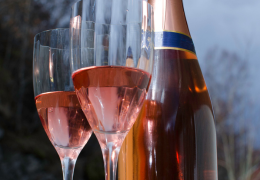
Saignée rosé champagne is a type of champagne produced by adding a little red grape juice to brut champagne, which gives it a rosy hue and a slightly fruity taste. To taste saignée rosé champagne, it is important to serve it at the right temperature, to inspect its appearance to check that it has a pale pink color and a fine and abundant foam, to breathe deeply to appreciate its fruity aroma and to savor its fruity and slightly tangy taste with a long and delicate finish. Champagne rosé de...
The article discusses how to choose the right champagne to accompany a meal to achieve the optimal tasting experience. It offers advice on wine pairings for cheese dishes, desserts and food in general. However, it is important to note that the choice of combinations is above all a matter of personal taste. The article ends with an invitation to tasting to put into practice the advice given and explore new combinations of flavors.

Deutz is a famous champagne producer based in the town of Aÿ in Champagne, France. Their champagne is known for its elegance and finesse, and has become popular with champagne lovers around the world. There are several options for buying Deutz champagne, each with their advantages and disadvantages.