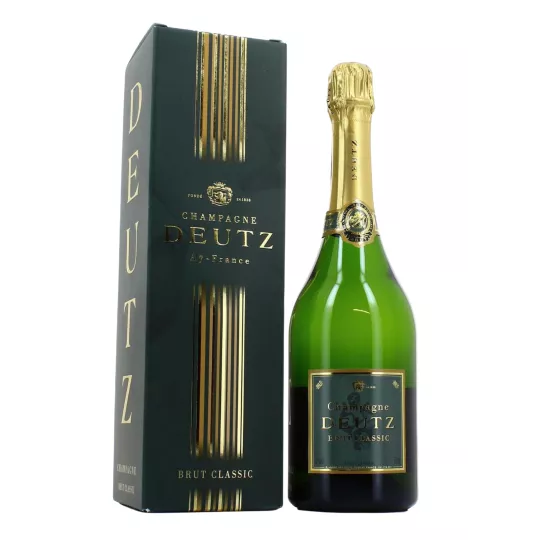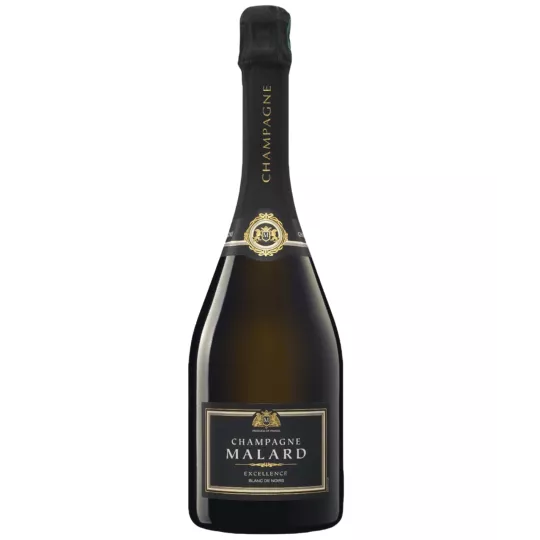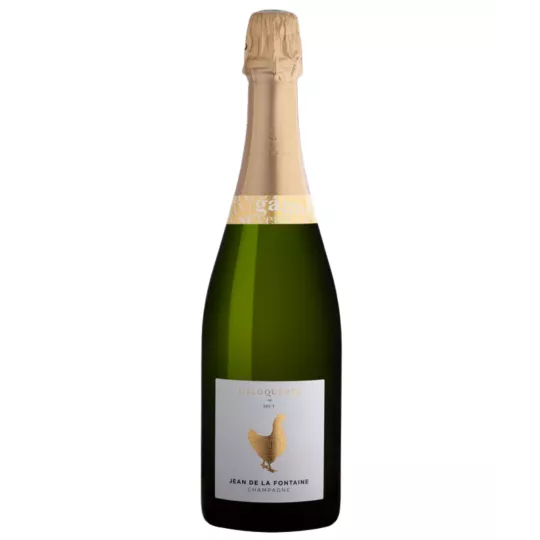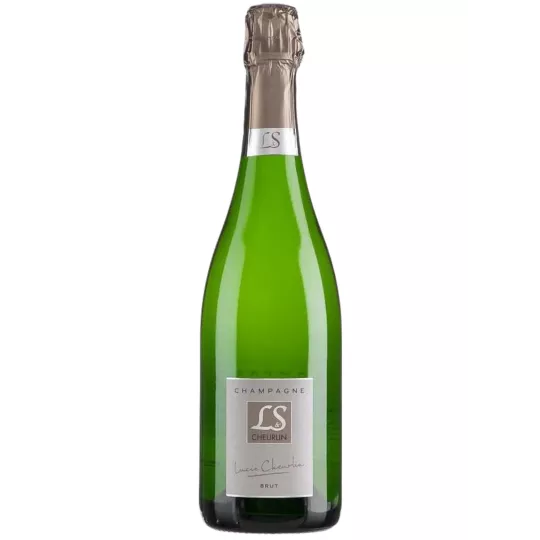
Hosting an educational champagne tasting at home is an excellent way to explore the unique diversity of the Champagne...
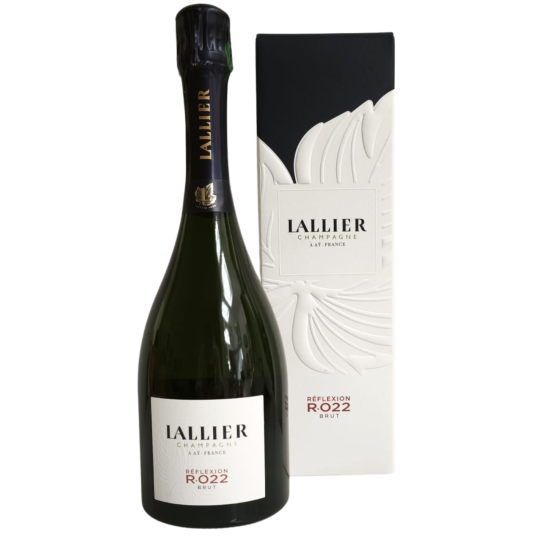

Hosting an educational champagne tasting at home is an excellent way to explore the unique diversity of the Champagne...
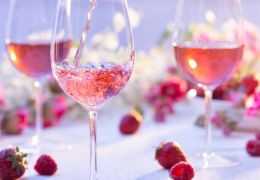
A Distinctive Craft: Unlike the common Rosé d'Assemblage—which blends still red wine into a white base—Champagne...
Brut Nature, also known as Zero Dosage, is the driest classification of Champagne, crafted without any added sugar...
Selecting the ideal champagne as a gift involves matching the structural profile of the wine to the specific nature...
Choosing a Champagne depends primarily on the production philosophy you wish to experience in your glass. On one...

Hosting a champagne tasting workshop at home is an excellent way to explore the rich diversity of the Champagne region with your guests. Far from an intimidating academic exercise, a private tasting allows you to discover different production methods, terroirs, and grape varieties in a relaxed environment. Whether your friends are curious beginners or seasoned wine lovers, structuring your evening around a clear theme helps everyone understand what makes each bottle unique. By organizing a structured tasting, you provide your guests with practical tools to identify their personal preferences and decipher wine labels with confidence. This comprehensive guide covers everything you need to know to plan, organize, and execute a flawless educational champagne tasting at home, from selecting the right bottles to avoiding common service mistakes.
To host a successful workshop, it helps to establish a clear educational theme. Rather than serving random bottles, selecting a narrative path allows guests to compare specific technical attributes. A popular approach is exploring the style of different Champagne Brands, which illustrates how historic houses maintain a consistent identity through blending. Alternatively, you can focus on the expression of specific terroirs, grape classifications, or regional structural designations.
For instance, dedicating a portion of your tasting to Blanc de Blancs Champagne demonstrates the crisp profile, high natural acidity, and citrus notes characteristic of 100% Chardonnay grapes. Comparing this directly against a structured Blanc de noirs Champagne—crafted exclusively from black grape varieties like Pinot Noir or Meunier—highlights the immediate differences in body, weight, and dark fruit aromatics. According to the official technical guidelines published by the Comité Champagne, the unique combination of chalky subsoils, cold microclimates, and traditional double-fermentation provides the foundation for these distinct stylistic variations.
A balanced tasting typically features four to six different bottles. This specific volume keeps the palate sharp without overwhelming the senses. To guide your selection effectively, organize the flights from the driest styles to the sweetest, or from the youngest wines to the most mature. This logical progression ensures that more powerful or sweeter wines do not mask the subtle nuances of lighter, younger cuvées poured earlier in the session.
Start your selection with a classic non-vintage Brut Champagne, which serves as an ideal baseline for traditional blending styles. Next, introduce bottles with lower sugar concentrations, such as an Extra brut Champagne or a completely dry Brut nature Champagne, to show how a minimal dosage highlights raw mineral qualities and terroir authenticity. For an organic perspective, you might include a bottle from an estate like Fleury, a historic pioneer in biodynamic viticulture. To contrast these crisp profiles, include a well-structured Rosé champagne to discuss maceration and assembly methods. Finally, round out the technical overview by presenting a bottle of Champagne vintages, showing your guests how extended cellar aging alters the aromatic profile from fresh fruit to complex notes of brioche, honey, and roasted nuts.
The technical execution of your workshop significantly impacts how the wines express themselves. Temperature control is the first critical factor. Serve young, crisp champagnes between 8°C and 10°C, while older vintage bottles or prestigious cuvées show their full aromatic complexity when served slightly warmer, between 10°C and 12°C. Avoid placing bottles in a domestic freezer, as rapid temperature drops dull the aromatics; instead, use a traditional bucket filled with equal parts ice and water thirty minutes before serving.
The choice of glassware is equally vital. While traditional narrow flutes prevent bubbles from escaping too quickly, they trap the delicate aromas. Instead, opt for tulip-shaped Champagne glasses that curve inward at the top, or standard white wine glasses. This specific geometry allows the wine to breathe and directs the aromatic bouquet straight to the taster's nose. Provide each guest with a small notebook to record their visual, olfactory, and gustatory observations, encouraging a methodical approach to evaluating clarity, effervescence, aroma, and finish.
To maintain an informative and analytical atmosphere, avoid several frequent errors that can alter the tasting experience. First, ensure your tasting space is entirely free from strong odors, such as scented candles, room diffusers, or intense cooking aromas, which interfere with the delicate olfactory analysis of the wine. Keep the room well-ventilated and neutral.
Second, manage your food pairings carefully. While a full multi-course meal can distract from the comparative focus of a workshop, serving the wines entirely without food is not ideal. Avoid heavy, overly spicy, or highly sweet appetizers early in the session, as they coat the tongue and distort the wine's natural acidity. Instead, offer neutral accompaniments like plain crackers, unsalted nuts, or mild cheeses between pours to cleanse the palate. Lastly, make sure to rinse glasses only with warm water between flights rather than using dishwashing soap, as soap residue can instantly destroy the natural effervescence and bubble formation of a freshly poured bottle.
 A Story Of Friendship: Champagne Pol Roger and Sir Winston Churchill Champagne-based cocktails Champagne rosé Serve a good champagne Where to buy Deutz champagne ?