Opening a bottle of sparkling wine is traditionally associated with celebration, precision, and high winemaking...


Opening a bottle of sparkling wine is traditionally associated with celebration, precision, and high winemaking...

Decoding Champagne producer codes offers a fascinating look into the craft and structure behind every bottle. Beyond...

Champagne is often associated with celebration and sophisticated dining, but understanding its nutritional and...

Planning the ideal beverage quantities for a wedding, reception, or dinner party requires an accurate understanding...

Choosing between Champagne, Prosecco, and Cava can be challenging when navigating the world of fine sparkling wines....






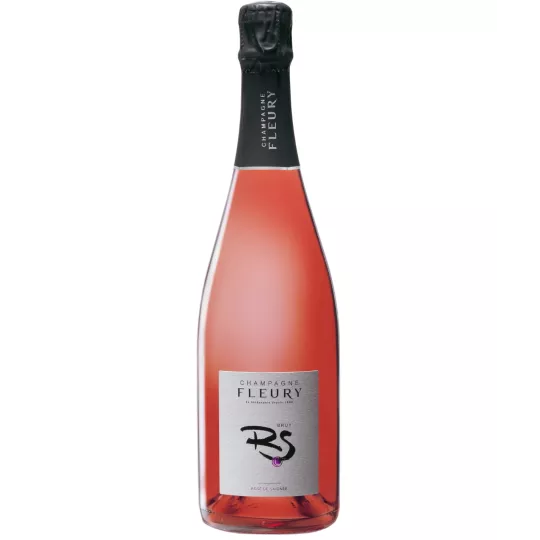
When exploring the diverse world of sparkling wines, Rose champagne stands out as a highly sought-after category. Yet, among these pink-hued cuvées, one specific style captivates connoisseurs seeking deep structure and aromatic complexity: Champagne Rosé de Saignée. Unlike the widely practiced blending method, this traditional and demanding process relies entirely on the natural extraction of color and aromas from grape skins. By allowing the juice to macerate with the skins, winegrowers craft deeply colored, intensely aromatic champagnes that mirror the nuances of their specific terroirs. Whether you are looking to elevate a gastronomic dinner or expand your wine knowledge, understanding this distinctive style of wine is essential.
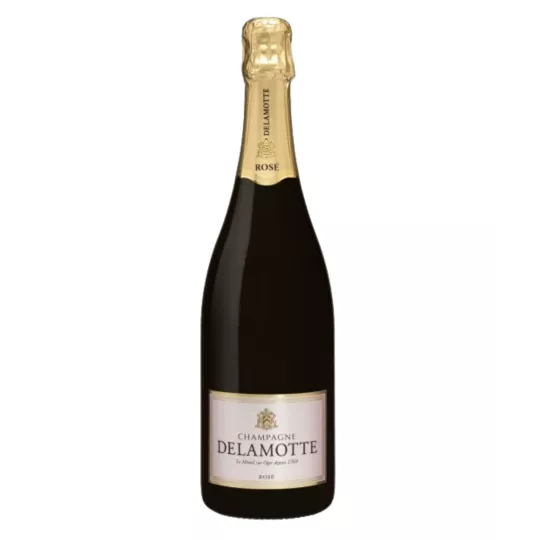
To understand this unique wine, we must look at how it gets its color. In Champagne, the vast majority of rosé wines are made via "Rosé d'Assemblage" (blending). This method involves adding a small percentage of still red wine (usually 8% to 15%) to a clear white base wine before the second fermentation in the bottle. Blending is highly valued for its consistency, allowing major houses to maintain a signature style year after year.
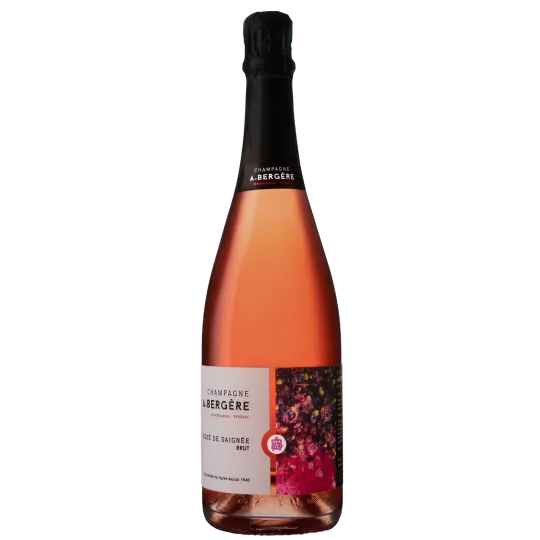
Conversely, a Rosé De Saignée Champagne is crafted through direct skin contact. The term saignée (literally meaning "bleeding") refers to the process where winegrowers let the juice "bleed" off the skins after a short maceration period. This technique is much more common among artisan Champagne Winegrowers who prefer to let the vintage and terroir express themselves naturally, without blending different years or colors.
The creation of a Rosé de Saignée is a delicate, time-sensitive process that requires constant monitoring. Here is how winegrowers achieve this style:
Because the skin-contact duration dictates the final color, tannin level, and body, winemakers must taste the juice constantly. A few hours too long can result in harsh, overly bitter tannins, while too short a maceration yields an under-colored, simple wine. According to the technical guidelines established by the Comité Champagne, this hands-on monitoring makes it one of the most demanding vinification methods in the region.
While both methods yield excellent sparkling wines, they produce vastly different profiles in the glass. The table below outlines the core differences between these two styles:
| Characteristic | Rosé d'Assemblage (Blending) | Rosé de Saignée (Maceration) |
|---|---|---|
| Production Method | White wine blended with a small amount of still red wine. | Short maceration of black grape skins in the juice. |
| Color Profile | Consistent, pale salmon to light pink. | Deep pink, ruby, copper, or raspberry hues. |
| Primary Aromas | Subtle red fruits, citrus, pastry notes, and floral hints. | Intense wild strawberry, raspberry, cherry, and spice. |
| Palate & Structure | Fresh, elegant, light-bodied, and highly consistent. | Structured, vinous, bold, with light, integrated tannins. |
| Best Match | Aperitif, light seafood, or fruit desserts. | Gastronomic dishes, roasted meats, and spicy cuisine. |
Ultimately, choosing between the two depends on your personal preference and the dining occasion. If you prefer a light, refreshing, and crisp wine, an assemblage is an excellent choice. However, if you want a bold, structured wine that can pair beautifully with an entire meal, a Rosé de Saignée is unmatched.
When shopping for these wines, look for specific clues on the label. While some bottles explicitly state "Rosé de Saignée" or "Maceration," others might simply list the grape varieties used. This style of wine is almost always made from 100% black grapes. To find a structured, fruit-forward profile, look for a Blanc De Noirs - 100% Pinot Noir that has undergone maceration, which delivers exceptional depth and red fruit complexity.
Many of the finest examples of Rosé de Saignée come from renowned terroirs and historic Champagne Brands. For instance, the Grand Cru village of Bouzy is famous for producing rich Pinot Noir with superb structure. Some houses have championed maceration for decades. For example, the bold, structured house style of Laurent-Perrier is famously built around their iconic macerated rosé, which showcases the vibrant freshness of clean Pinot Noir grapes.
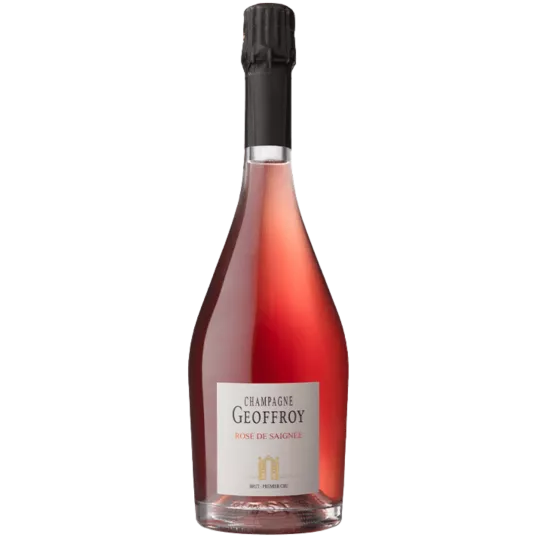
Similarly, grower houses like René Geoffroy, located in the Marne Valley, are celebrated for their precise, skin-contact cuvées that highlight the pure character of their old-vine parcels. If you want to explore how age-worthy these structured wines can be, look for Champagne vintages, where the concentration of a single harvest combines with extended cellar aging to develop complex notes of dried fruits, forest floor, and warm spices.
Because they are more structured and vinous than typical sparkling wines, Rosé de Saignée champagnes require slightly different handling to show their full potential.
Avoid serving these wines ice-cold. Very low temperatures mute the delicate red fruit aromas and make the light tannins feel harsh on the palate. The ideal serving temperature is between 10°C and 12°C (50°F to 54°F). This slightly warmer temperature allows the vinous body and complex red fruit bouquet to open up beautifully.
To fully appreciate the aromatic profile of a macerated rosé, skip the traditional narrow flute. Flutes trap the aromas and limit the wine's contact with oxygen. Instead, opt for wide-bowled Champagne glasses or even standard white wine glasses. The larger surface area helps the complex layers of cherry, spice, and toast unfold.
The unique structure of macerated rosé makes it one of the most versatile wines for pairing with food. Its body allows it to stand up to rich, savory dishes that would easily overwhelm a lighter white champagne. Here are some excellent pairings to try:
To ensure you get the best possible experience from your bottle, keep these simple guidelines in mind:
By understanding the meticulous craft, structural depth, and culinary versatility of Champagne Rosé de Saignée, you can confidently select the perfect bottle for your next dining experience. This traditional style remains a testament to the dedication of winemakers who embrace the natural complexity of the grape to produce truly memorable sparkling wines.
 Buying Champagne Online : Everything you need to know The 4 Most Popular Types of Champagne : A Detailed Guide The history of champagne : From the Middle Ages to modern times Where to buy Ruinart champagne ? What is special about saignée rosé champagne ?