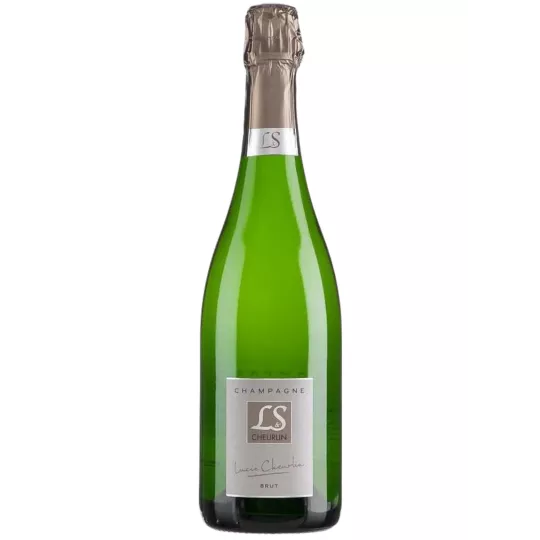
Choosing between Champagne, Prosecco, and Cava can be challenging when navigating the world of fine sparkling wines....
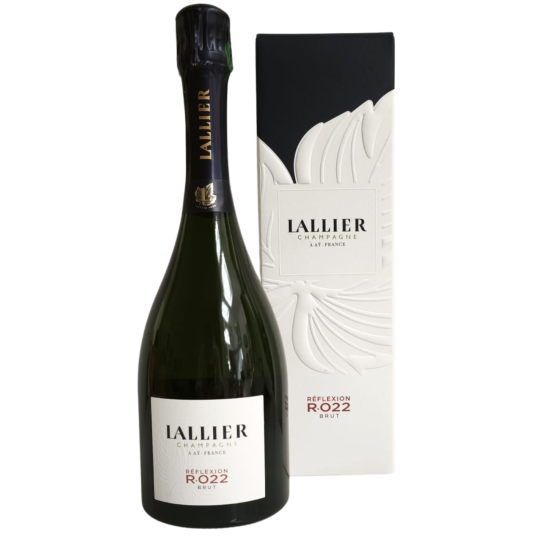


Choosing between Champagne, Prosecco, and Cava can be challenging when navigating the world of fine sparkling wines....

Hosting an educational champagne tasting at home is an excellent way to explore the unique diversity of the Champagne...

A Distinctive Craft: Unlike the common Rosé d'Assemblage—which blends still red wine into a white base—Champagne...
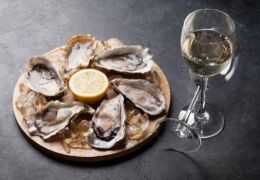
Brut Nature, also known as Zero Dosage, is the driest classification of Champagne, crafted without any added sugar...

Selecting the ideal champagne as a gift involves matching the structural profile of the wine to the specific nature...




The association between Champagne and fruit salad is a classic of French gastronomy, yet it requires a precise understanding of sugar levels and acidity to be successful. When serving a fresh fruit dessert, the choice of wine is not merely a matter of preference but a technical decision based on the balance of flavors. The main challenge lies in the interaction between the natural fructose of the fruit and the dosage of the wine. A poorly matched pairing can lead to a metallic sensation or an unpleasant bitterness.
In this guide, we will explore how to select the right cuvée to accompany various fruit profiles, from citrus-heavy preparations to stone fruits and red berries. By focusing on the analytical characteristics of the wine—such as its residual sugar content and aromatic complexity—you can ensure a cohesive tasting experience that respects both the work of the winemaker and the freshness of the seasonal produce.
The primary technical factor when pairing wine with a sweet dish is the "dosage." This process, occurring just before final corking, determines the sugar level of the champagne. For a fruit salad, which naturally contains acidity and sugar, a standard Champagne Brut may sometimes appear too sharp or "thin" because the sugar in the fruit masks the fruitiness of the wine, leaving only the acidity on the palate.
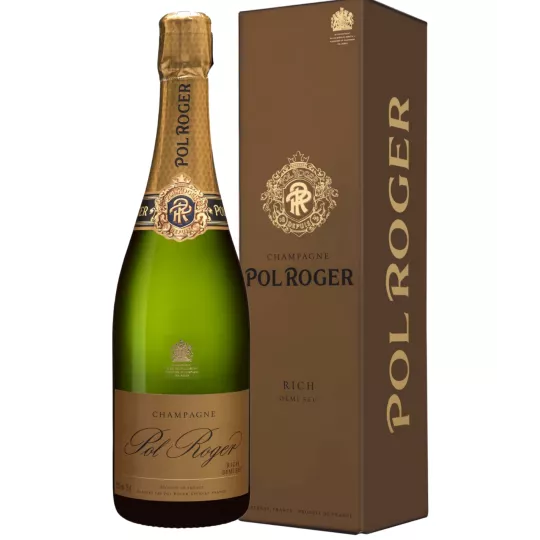
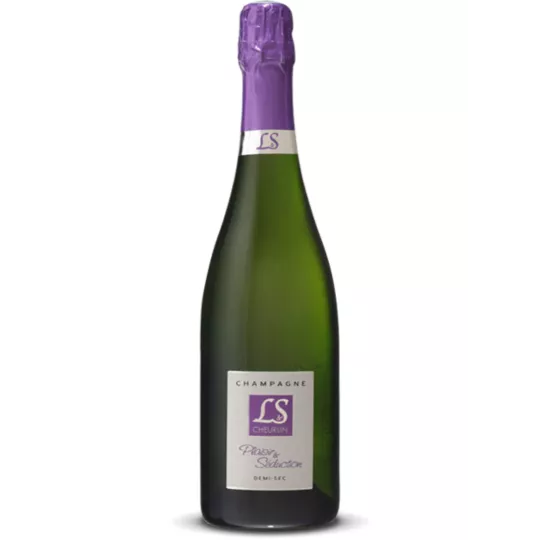
To maintain balance, many professionals recommend moving toward wines with a slightly higher sugar content. A Demi-Sec or a rich Extra-Dry provides the necessary roundness to bridge the gap between the liquid and the solid. According to the Comité Champagne, the goal is to find a structural equilibrium where neither the dish nor the wine overpowers the other.
Every fruit salad has a dominant aromatic profile that dictates the style of champagne required. Understanding these nuances is key to a professional-grade pairing.
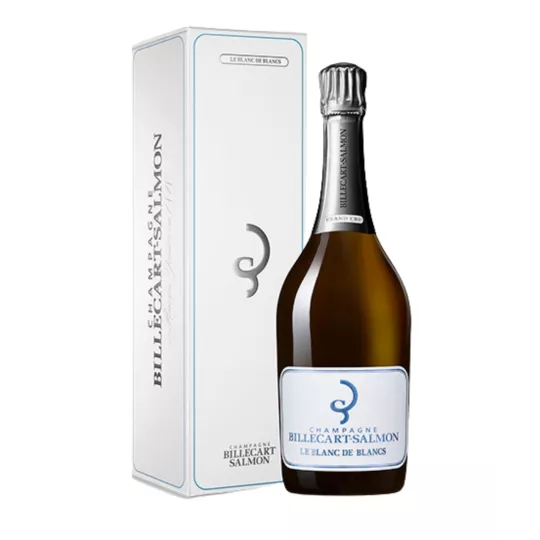
For salads composed of grapefruit, orange, or mango, the acidity is high. To complement this, one should look for a wine with high Chardonnay proportions. The freshness of the Blanc de Blancs offers citrus notes and mineral tension that mirror the fruit's profile. Brands like Ruinart are renowned for this specific style, providing a clean and crisp backdrop to acidic fruits.
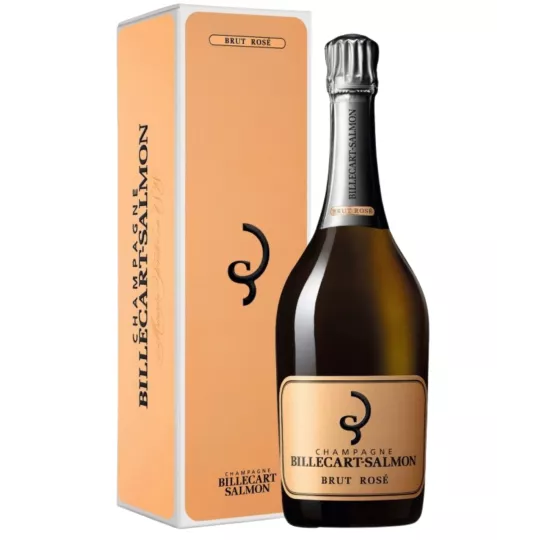
If your preparation focuses on strawberries, raspberries, or peaches, the aromatic intensity changes. These fruits benefit from the structure provided by black grapes. A Rosé champagne is often the most technical choice here, as the maceration or addition of red wine brings red fruit aromas (cherry, redcurrant) that create a visual and sensory echo. For a more robust experience, a Blanc de Noirs - 100% Pinot Noir offers the power needed to stand up to the texture of stone fruits.
Technical success also depends on service conditions. When serving champagne with a dessert, temperature is critical. A slightly warmer service temperature (around 10-12°C) allows the wine's aromas to express themselves more fully against the cold fruit.
The most frequent mistake is serving a Brut nature Champagne with a very sweet dessert. Without any dosage, the wine will feel aggressive and stripped of its charm. It is better to save these zero-dosage wines for oysters or raw fish.
Similarly, avoid fruits that are too acidic (like pure lemon) or too bitter (like pithy pomelo) without a counterbalancing element in the salad, as this will clash with the effervescence. If you are serving a prestigious vintage champagne, ensure the fruit salad is simple and not clouded by heavy syrups, allowing the complexity of the aged wine, such as those from Bollinger, to remain the focal point.
By respecting these technical principles of viticulture and oenology, the pairing of champagne and fruit salad becomes an exercise in precision, highlighting the diversity of the Champagne terroir while providing a light, sophisticated conclusion to a meal.
 Champagne rosé How to choose the right champagne to accompany a meal ? What is special about saignée rosé champagne ? How champagne can accompany different types of dishes Rosé champagne: the perfect choice for summer evenings