
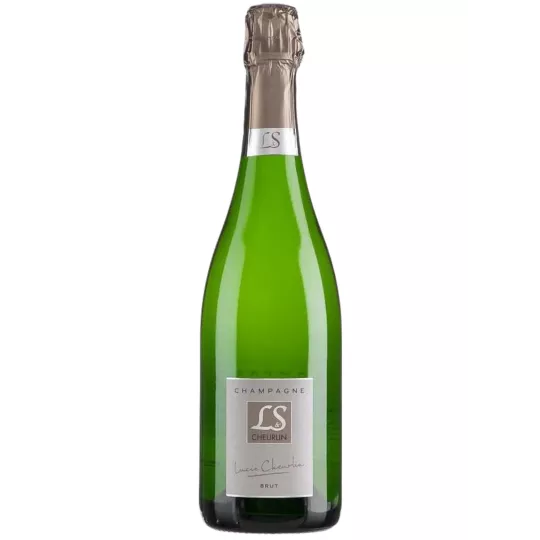
Hosting an educational champagne tasting at home is an excellent way to explore the unique diversity of the Champagne...
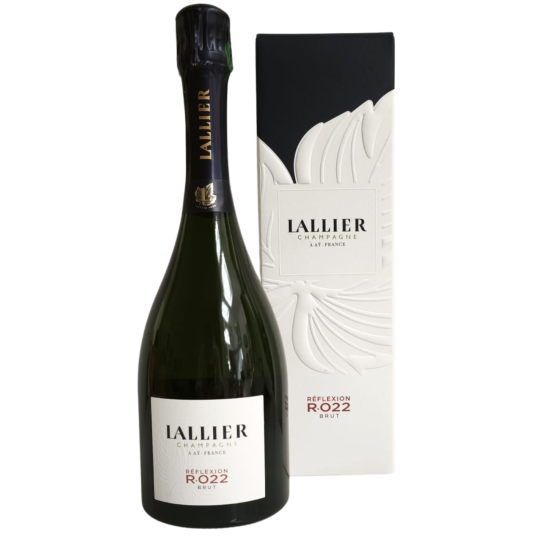


Hosting an educational champagne tasting at home is an excellent way to explore the unique diversity of the Champagne...

A Distinctive Craft: Unlike the common Rosé d'Assemblage—which blends still red wine into a white base—Champagne...
Brut Nature, also known as Zero Dosage, is the driest classification of Champagne, crafted without any added sugar...

Selecting the ideal champagne as a gift involves matching the structural profile of the wine to the specific nature...

Choosing a Champagne depends primarily on the production philosophy you wish to experience in your glass. On one...




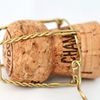

The champagne industry is going through a period of rapid change, with consumers becoming increasingly aware of the environmental footprint of production and seeking lesser known brands or organic and fair trade champagnes. In recent years, this change in demand has led to an increase in the production of ecological champagnes in many renowned Champagne companies. Players in this industry have gone to great lengths to ensure that their products are responsibly sourced and produced with minimal impact on the environment.
In addition to being aware of how their champagne is made, consumers are becoming increasingly discerning when it comes to choosing their drinks. Many champagne producers have responded to this trend by offering a plethora of different varieties and flavors, from vintage bottles produced using traditional methods to sparkling wines bottled with a contemporary twist. So there is something for everyone in this sector, whatever your taste buds are craving.
In response to these changes in the market, some major champagne houses have decided to invest in innovative technologies that can help them produce high quality yet long lasting bubbles. For example, several major champagne houses now use advanced winemaking processes, such as carbon dioxide recirculation and vacuum cooling systems, which reduce waste and energy consumption during production. Additionally, some companies also use automatic labeling machines to minimize waste during bottling operations.
The future looks bright for the champagne industry as new technologies continue to revolutionize production processes and drive down costs for both producers and consumers. With sustainability becoming increasingly important to wine lovers around the world, it's likely that eco-friendly champagnes will continue to grow in popularity over time, so everyone can enjoy delicious bubbles with a clear conscience!
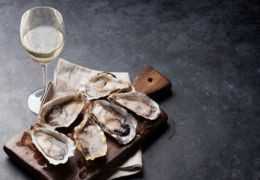
Located in the heart of Brighton at 12 Meeting House Lane, Riddle & Finns stands out as a unique Champagne & Oyster Bar, blending sophisticated ambiance with a laid-back dining approach. Perfect for casual visits, special celebrations, or a spontaneous seafood treat, this welcoming venue doesn't require reservations, making it easy to drop by after theatre shows or for quick lunches with friends. Beyond casual elegance, Riddle & Finns distinguishes itself with a traditional wet...
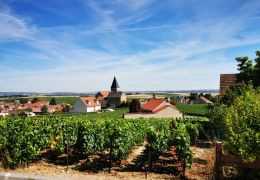
Satchells, established in the 1880s, stands out among newer wine and champagne businesses through its longstanding heritage and reliable reputation. Open Monday through Saturday, Satchells provides a diverse selection of high-quality wines and champagnes sourced internationally, complemented by an impressive variety of malt whiskies ideal for any occasion.Beyond exceptional beverages, Satchells emphasizes tradition, personalized customer care, and comprehensive services, including wine...

Heidsieck Monopole Blue Top is a fantastic entry-level champagne that delivers quality without breaking the bank. Despite its luxurious presentation in a wooden box, this sparkling wine is available for around £22, proving that exceptional champagne doesn't have to come with a hefty price tag. Its creamy texture and balanced elegance have earned it a spot in Wine Spectator's Top 100 list in 2007, with praise for its beautifully integrated flavors. This bottle competes effortlessly with...

Pops for Champagne stands as a premier destination in Chicago for those seeking a refined and stylish nightlife experience. With a sleek and visually appealing online presence, the bar promises an equally impressive ambiance for guests looking to celebrate special occasions like birthdays or engagements. Its commitment to excellence is evident in its extensive menu, featuring over 100 bottles of champagne alongside a curated selection of sparkling wines, ensuring a luxurious and memorable...

18004Champagne is redefining the champagne delivery industry in the United States by offering unparalleled service and nationwide availability. Established in 1998, the company ensures same-day or next-day delivery of a vast selection of gift-wrapped champagnes and related gifts. With an extensive range of products, from premium brands to more affordable options, they set a new benchmark for quality and convenience. Their wide-reaching distribution network enables them to meet strict delivery...

Armand de Brignac Brut Gold, also known as Ace of Spades, is a premium champagne that stands out for both its exquisite presentation and exceptional taste. Each bottle features a handcrafted pewter label, carefully polished to perfection, making every piece unique. Presented in an elegant embroidered velvet bag, this champagne exudes luxury and exclusivity, setting it apart from other options on the market.Beyond its striking appearance, the true magic lies in the champagne itself. Made...
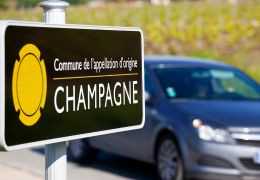
Arblaster & Clarke offers personalized and professional champagne tours tailored to every need, whether you're planning a romantic getaway or a corporate retreat. Since 1987, they have specialized in providing exclusive access to the renowned champagne region of France. Their tours combine scenic vineyard drives, expert-led tastings, and immersive experiences that bring you closer to the world of fine champagne. With year-round availability, these trips offer flexibility, making it easy...

Located near Clapham Junction in London, The Peacock Bar is a top-tier destination for burlesque entertainment and champagne tasting. Beyond its reputation as a vibrant burlesque club, the venue offers an eclectic mix of events, including Valentine's Day dinner dances, cabaret performances, and live DJ sets. Guests can also enjoy unique experiences such as cupcake-making classes and a diverse selection of craft beers, making it a perfect spot for a memorable night out.Adding to its appeal,...

Buying champagne online offers convenience, fast delivery, and competitive prices, but it often comes with biased opinions and a lack of personalized guidance. When looking for an expert recommendation, visiting a champagne dealer is the best solution. Many high-street stores have well-stocked champagne sections with knowledgeable staff ready to help. These professionals provide genuine insights and help you choose the perfect bottle based on your taste and budget.One excellent example in...
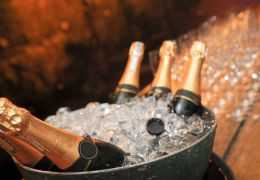
Champagne often carries an air of complexity, with its intricate details potentially intimidating newcomers. This article by We Love Champagne simplifies the subject, making it approachable for less experienced enthusiasts while offering intriguing insights for seasoned connoisseurs. One key point debunks a common myth: champagne isn’t exclusively white. In fact, varieties crafted from red grapes like Pinot Noir showcase stunning amber or red hues, adding rich diversity to champagne...
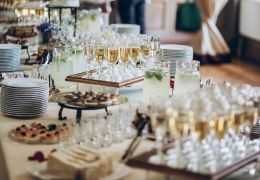
Champagne Casinos offers a versatile and memorable event experience, excelling in hosting weddings, parties, corporate events, and charity fundraisers. Their commitment to creating a warm atmosphere is matched by their top-tier interiors, entertainment, and innovative use of lighting and backdrops. Whether it's a lavish wedding reception or a lively birthday party, Champagne Casinos ensures a tailored and engaging experience for every occasion. For those seeking something unique, the company...

Thomas Cook is redefining the in-flight experience by offering affordable luxury with champagne and chocolate packages. Passengers can now surprise themselves or their travel companions with celebratory treats that add a special touch to their journey. These packages, starting at just £6 for chocolates and £29.50 for a full bottle of champagne with chocolates, are available for purchase during booking or later through the Thomas Cook website. Personalization is key, with the option to include...