
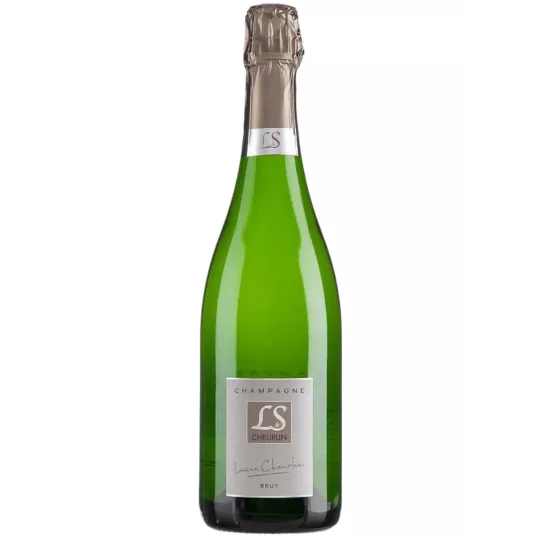
Champagne is often associated with well-established benchmarks: classic blends, traditional aging, and instantly...
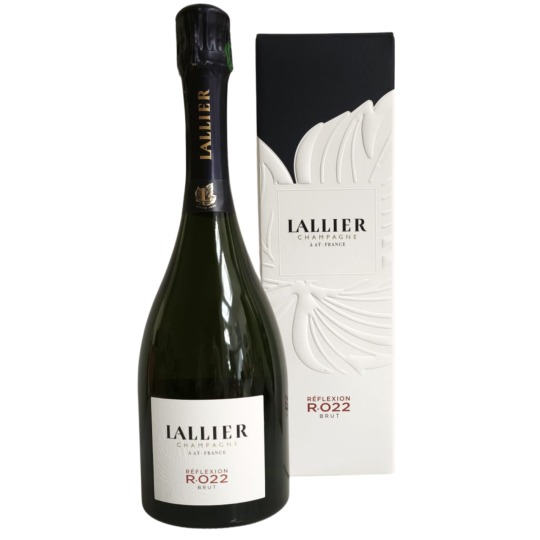

Champagne is often associated with well-established benchmarks: classic blends, traditional aging, and instantly...
Opening a bottle of sparkling wine is traditionally associated with celebration, precision, and high winemaking...
Decoding Champagne producer codes offers a fascinating look into the craft and structure behind every bottle. Beyond...
Champagne is often associated with celebration and sophisticated dining, but understanding its nutritional and...
Planning the ideal beverage quantities for a wedding, reception, or dinner party requires an accurate understanding...
The champagne industry is going through a period of rapid change, with consumers becoming increasingly aware of the environmental footprint of production and seeking lesser known brands or organic and fair trade champagnes. In recent years, this change in demand has led to an increase in the production of ecological champagnes in many renowned Champagne companies. Players in this industry have gone to great lengths to ensure that their products are responsibly sourced and produced with minimal impact on the environment.
In addition to being aware of how their champagne is made, consumers are becoming increasingly discerning when it comes to choosing their drinks. Many champagne producers have responded to this trend by offering a plethora of different varieties and flavors, from vintage bottles produced using traditional methods to sparkling wines bottled with a contemporary twist. So there is something for everyone in this sector, whatever your taste buds are craving.
In response to these changes in the market, some major champagne houses have decided to invest in innovative technologies that can help them produce high quality yet long lasting bubbles. For example, several major champagne houses now use advanced winemaking processes, such as carbon dioxide recirculation and vacuum cooling systems, which reduce waste and energy consumption during production. Additionally, some companies also use automatic labeling machines to minimize waste during bottling operations.
The future looks bright for the champagne industry as new technologies continue to revolutionize production processes and drive down costs for both producers and consumers. With sustainability becoming increasingly important to wine lovers around the world, it's likely that eco-friendly champagnes will continue to grow in popularity over time, so everyone can enjoy delicious bubbles with a clear conscience!
The Champagne Cookbook by Malcolm Hebert is a delightful 128-page guide that celebrates the versatility of champagne in cooking. Ideal for both novice cooks and seasoned chefs, the book features a wide range of recipes that incorporate champagne into soups, fish, red meat, desserts, and even cocktails, ensuring there's something to suit every palate and occasion. Drawing inspiration from culinary traditions across California, Europe, and beyond, the cookbook highlights champagne's potential...
Champagne and chocolates are a timeless pairing, making them an irresistible gift for any occasion. Serenata Flowers offers a standout hamper for just £49.99, combining luxury pralines and Champagne Brut Carte, all elegantly presented in a stylish burgundy box. This ready-to-gift hamper is perfect for anyone who values classic craftsmanship and luxurious simplicity, offering an affordable yet indulgent way to celebrate. Beyond the hampers, the company also provides practical advice on...
Nestled in the Grand Cru village of Verzenay, Champagne Jean-Claude Mouzon is a hidden gem poised to enchant champagne enthusiasts. Surrounded by picturesque landscapes, including a lighthouse and endless green vistas, this new champagne house emerges as a beacon of artisanal craftsmanship. Rooted in the region's "black gold" terroir, Jean-Claude Mouzon offers a champagne celebrated for its nuanced aromas of dried fruit, nuts, and confectionery, capturing the essence of its exceptional land...
In the lead-up to Christmas, champagne has never been more affordable and accessible, thanks to competitive online and offline wine retailers. Louis Roederer, a prestigious house founded in 1776 and once the supplier to the Russian imperial court, is one of the brands benefiting from increased sales, even amid economic challenges. This iconic mid-priced champagne, enjoyed in global markets, is now available at remarkably low prices, with some retailers offering bottles for as little as £17....
Veuve Clicquot, renowned for its commitment to excellence in champagne production, has also made significant strides in developing stylish and timeless accessories that enhance the champagne drinking experience. Their latest innovation, the Veuve Clicquot Shopping Bag, reflects the brand's iconic yellow color and demonstrates their meticulous attention to quality and design. This new addition is part of a range that includes a chic miniature fridge and a sophisticated box set with champagne...
Gonedigging.com offers a wide range of over 50 champagne-themed gift designs, each uniquely crafted to provide a personal touch to any occasion. Customers can purchase bottles individually or in cases of six, making it easy to tailor orders to specific needs. For added luxury, the company provides an option to package the champagne in a red gift box, transforming the traditional gift into a memorable, personalized present. Contacting the company directly before placing an order ensures that...
The champagne industry, as represented by Laurent-Perrier, has experienced a surge in sales during the first half of the fiscal year despite lower consumer prices, particularly for its sought-after brands. This increase, amounting to a 23% rise in net sales by the end of September, has been driven by robust demand outside of France. Laurent-Perrier's president, Michael Boulaire, has interpreted these figures as signaling the onset of a new growth period for the industry, suggesting that...
In a stunning revelation, a diving team uncovered a cache of what may be the world’s oldest drinkable champagne from a shipwreck near the Aland Islands, Finland. Among the findings are believed to be over 100 bottles of early Veuve Clicquot, dating back to the era of Louis XVI. This discovery could rewrite the history of vintage champagnes, as it appears to dethrone the 1825 Perrier-Jouet, previously held as the oldest. The champagne's excellent preservation within the sea's depths has...
The St Pancras Grand Restaurant, Oyster and Champagne Bar, nestled in the Upper Concourse of St Pancras International in London, epitomizes British luxury and has become a celebrated spot among champagne enthusiasts. Its notable for its magnificent and historical ambiance, which is highlighted by Europe's longest bar and stunning architecture visible from nearly any position within the venue. The restaurant offers a rich selection of seventeen different styles of champagne always available by...
The latest innovation from Veuve Clicquot is a mustard yellow, petite fridge, ideal for transporting even the most delicate champagne bottles with ease and elegance. Despite its small size, this fridge, complete with a handle, dazzles with its extraordinary style, making it a perfect Christmas gift for champagne enthusiasts. Its design not only ensures safe and stylish transport but also promises to be a conversation starter at holiday gatherings, merging practicality with the luxury expected...
FINE Champagne Magazine, established in 2008, serves as a beacon for champagne enthusiasts seeking the latest updates in the champagne industry. Available for a digital subscription at £60.00, the magazine offers comprehensive coverage on all things champagne-related. Readers interested in both digital and paper subscriptions can find more information and sign up through their official website. Beyond its role as a magazine publisher, FINE also provides a wealth of resources through its...
Offering a bottle of champagne as a corporate gift embodies much more than a simple act of generosity. It is a statement of values, a testimony of appreciation and a catalyst for strong and lasting business relationships. Through its timeless elegance, champagne creates moments of conviviality and celebration that strengthen professional ties. Whether to mark a special occasion, express your gratitude or simply maintain harmonious relationships, champagne remains an authentic and prestigious...