
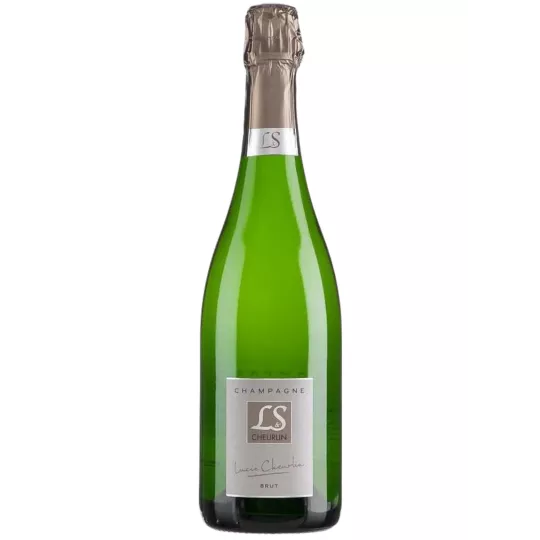
Selecting the ideal champagne as a gift involves matching the structural profile of the wine to the specific nature...
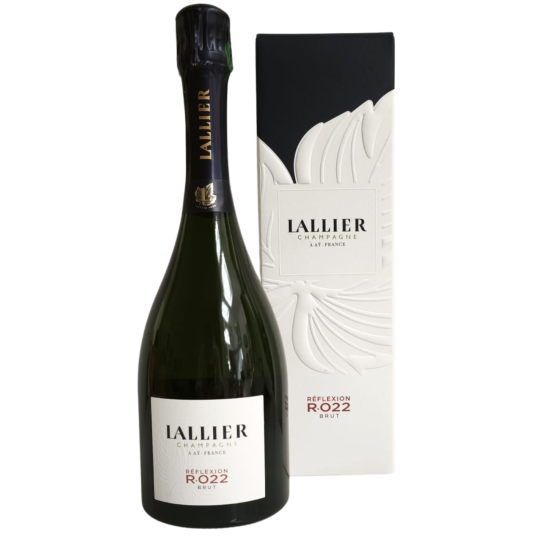


Selecting the ideal champagne as a gift involves matching the structural profile of the wine to the specific nature...

Choosing a Champagne depends primarily on the production philosophy you wish to experience in your glass. On one...
Preserving an open bottle of Champagne without losing its liveliness relies on strictly managing temperature and...
While wine and cheese are classic culinary partners, red wine's heavy tannins often clash with the creamy texture and...
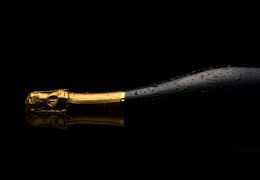
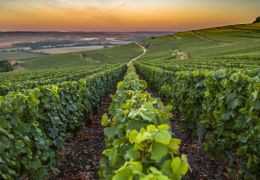
The Champagne region is characterized by complex viticultural techniques and highly regulated production standards,...


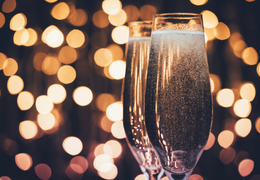
The history of champagne goes back centuries, to the time when monks worked on the production of sparkling wines in Champagne, France. Over time, the production of champagne has grown and grown in popularity due to its unique flavor and refreshing bubbles.
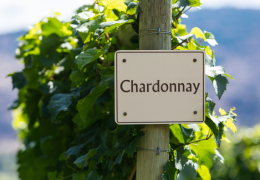
The production of champagne consists of several key stages, such as fermentation, bottling and maturing on laths. This method has remained largely unchanged over the years, despite advances in technology. Grapes such as Chardonnay, Pinot Noir and Pinot Meunier are the most commonly used for the production of champagne.
Regarding the consumption of champagne, it is a luxury and celebratory product, often associated with important events such as weddings, birthdays and parties. It is consumed all over the world and is appreciated for its unique taste and effervescent texture.
Over the years, the origins of champagne have been celebrated and recognized as an important part of French winemaking history. The Champagne region is now protected by an Appellation d'Origine Contrôlée, guaranteeing the quality and authenticity of the champagne produced in this region.
The history of champagne production and consumption is rich and fascinating, spanning from the origins to the present day through centuries of development and improvement. It is a unique product that continues to be an integral part of many celebrations around the world.
In the heart of the Champagne vineyards, where earth and sky meet to give birth to a golden effervescence, the Maison Pommery proudly stands. Founded in 1858 by Narcisse Greno with the ambition of creating a champagne of unmatched quality, the house quickly became a symbol of refinement and innovation under the visionary leadership of Madame Pommery. Today, we invite you to journey through time and discover the alchemy behind the prestigious Pommery name, with a particular focus on a key...
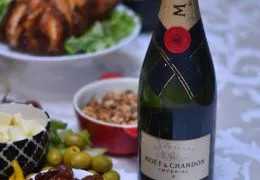
In the heart of the rolling vineyards of Champagne, one house stands out for its heritage, elegance, and refinement: Moët & Chandon. This brand, synonymous with celebration and success, transcends time by marking the most memorable moments in history with its exquisite bubbles. This article invites you to explore the fascinating world of Moët & Chandon through its history, its unique production methods, its cultural influence, and its sustainable vision.
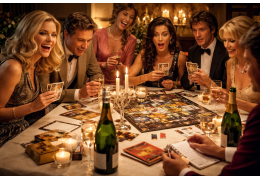
This Champagne-themed board game is an interactive DVD mystery experience designed for groups of eight or more players. Created by Paul Lamond Games and featuring Michael Winner, it immerses adults and older teenagers in a suspenseful storyline set in the vibrant summer of 1976 in Chelsea, London. What begins as a stylish dinner gathering quickly turns into a gripping murder investigation. Affordable and engaging, the game is priced at just over £10, making it an accessible addition to a...
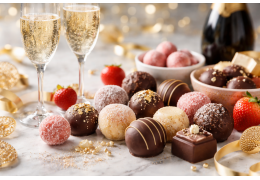
AIDA has established itself as a specialist in champagne-infused confectionery, offering a diverse and indulgent range of sweets crafted for those who value quality and originality. From champagne and marzipan treats to dark mint truffles, each creation highlights the refined flavour of champagne while delivering a distinctive tasting experience. Beyond variety, AIDA stands out for its commitment to natural production methods. By avoiding chemical preservatives, the brand ensures authentic...
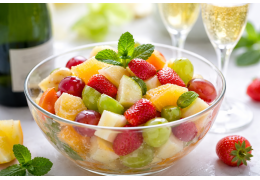
This fresh fruit salad with champagne offers a light and refreshing alternative to traditional fruit desserts. Combining crisp apples, juicy pears, citrus fruits, and seedless grapes, the recipe balances natural sweetness with bright, vibrant flavours. A touch of honey enhances the fruit without overpowering it, while champagne adds a refined, celebratory note. Quick and easy to prepare, this dish requires minimal effort and can be assembled in under an hour. After a short rest in the...

Champagne Napoléon, founded in 1825, embodies the perfect blend of family tradition and imperial prestige. Crafted from the finest terroirs of the Côte des Blancs and Montagne de Reims, it is distinguished by its balanced blends of Chardonnay and Pinot Noir, and its extended aging process, ensuring finesse and complexity.Its flagship cuvées, such as Tradition Brut, Blanc de Blancs, Rosé Brut, and the 2004 vintage, offer a unique and refined tasting experience. More than just a champagne, it...
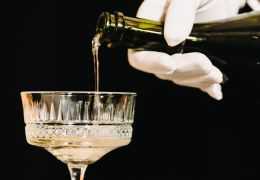
Champagne Billecart-Salmon’s website offers a refreshing experience rooted in elegance and simplicity. From the very first click, users are welcomed with a minimalist, black-and-white design that emphasizes high-quality visuals over aggressive marketing tactics. This refined aesthetic reflects the timeless sophistication of the brand itself. Beyond its visual appeal, the site offers valuable insights into upcoming events and curated champagne gift selections. Whether you're a seasoned...
The Widow Clicquot is a captivating read that explores the remarkable story behind one of the most iconic champagne houses: Veuve Clicquot. Centered on the fearless young widow who transformed the brand into a global name, the book weaves a compelling narrative of resilience, innovation, and legacy. From navigating the treacherous waters of political upheaval to overcoming cultural challenges, her journey is both inspiring and historically significant. Though just 288 pages long, this book...

Founded in 2004 and based in Hertfordshire, Kaboura brings a fresh, innovative approach to team building, making it accessible to all while also supporting various charities. Inspired by an Amazonian insect known for teamwork and efficiency, the company embodies an out-of-the-box mindset, ensuring every participant reaches their full potential. Their unique programs transform traditional team-building exercises into engaging and results-driven experiences.In addition to classic...

Nestled in the Grand Cru village of Verzenay, Champagne Jean-Claude Mouzon is a hidden gem poised to enchant champagne enthusiasts. Surrounded by picturesque landscapes, including a lighthouse and endless green vistas, this new champagne house emerges as a beacon of artisanal craftsmanship. Rooted in the region's "black gold" terroir, Jean-Claude Mouzon offers a champagne celebrated for its nuanced aromas of dried fruit, nuts, and confectionery, capturing the essence of its exceptional land...

In a stunning revelation, a diving team uncovered a cache of what may be the world’s oldest drinkable champagne from a shipwreck near the Aland Islands, Finland. Among the findings are believed to be over 100 bottles of early Veuve Clicquot, dating back to the era of Louis XVI. This discovery could rewrite the history of vintage champagnes, as it appears to dethrone the 1825 Perrier-Jouet, previously held as the oldest. The champagne's excellent preservation within the sea's depths has...
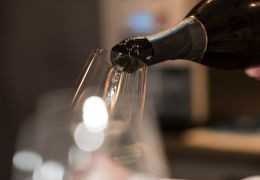
Discover the richness of the different types of champagnes and learn how to fully savor them.From sparkling brut champagne to sweet and sweet champagne, each variety offers a unique taste experience. Below are tips on how to explore and enjoy the diversity of champagnes available.