
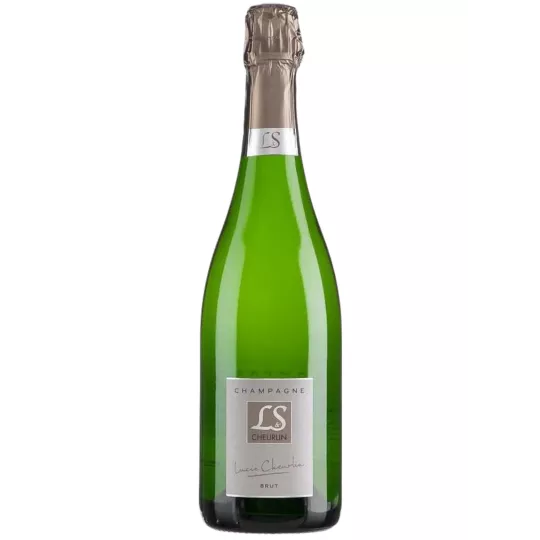
Choosing a Champagne depends primarily on the production philosophy you wish to experience in your glass. On one...
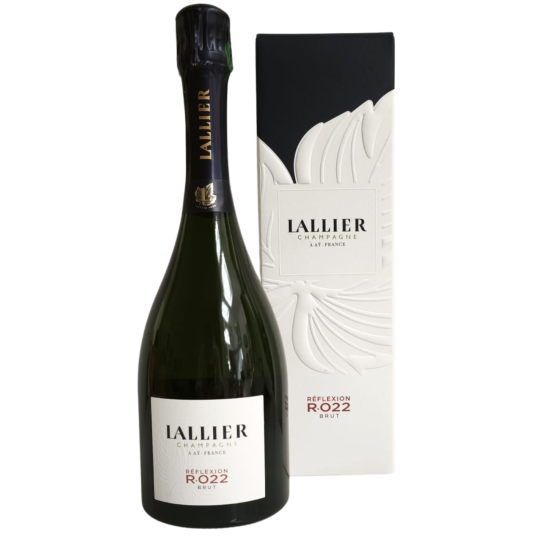


Choosing a Champagne depends primarily on the production philosophy you wish to experience in your glass. On one...
Preserving an open bottle of Champagne without losing its liveliness relies on strictly managing temperature and...
While wine and cheese are classic culinary partners, red wine's heavy tannins often clash with the creamy texture and...
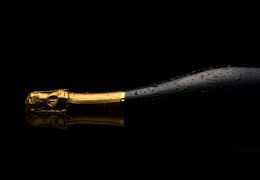
The Champagne region is characterized by complex viticultural techniques and highly regulated production standards,...

Blanc de Blancs and Blanc de Noirs represent the fascinating world of monocépage Champagnes, where wines are crafted...


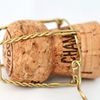

The history of champagne goes back centuries, to the time when monks worked on the production of sparkling wines in Champagne, France. Over time, the production of champagne has grown and grown in popularity due to its unique flavor and refreshing bubbles.
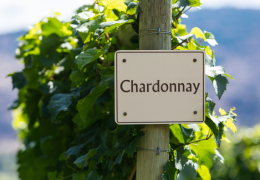
The production of champagne consists of several key stages, such as fermentation, bottling and maturing on laths. This method has remained largely unchanged over the years, despite advances in technology. Grapes such as Chardonnay, Pinot Noir and Pinot Meunier are the most commonly used for the production of champagne.
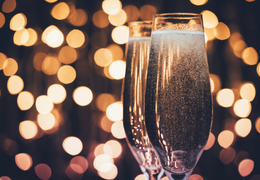
Regarding the consumption of champagne, it is a luxury and celebratory product, often associated with important events such as weddings, birthdays and parties. It is consumed all over the world and is appreciated for its unique taste and effervescent texture.
Over the years, the origins of champagne have been celebrated and recognized as an important part of French winemaking history. The Champagne region is now protected by an Appellation d'Origine Contrôlée, guaranteeing the quality and authenticity of the champagne produced in this region.
The history of champagne production and consumption is rich and fascinating, spanning from the origins to the present day through centuries of development and improvement. It is a unique product that continues to be an integral part of many celebrations around the world.
In this blog post, we will explore the most important events in the world of champagne not to be missed, to appreciate and taste the best cuvées. The world of champagne is a unique and exciting world that has something for everyone.
This article will explore the history of champagne from its beginnings in the Middle Ages to its current role as a celebratory and prestigious drink around the world. It will cover the various key stages in the evolution of champagne, including the discovery of the method of fermentation in the bottle, the first exports to England, the technological advances which made it possible to produce superior quality champagnes and the struggles for protect the reputation and identity of champagne.