
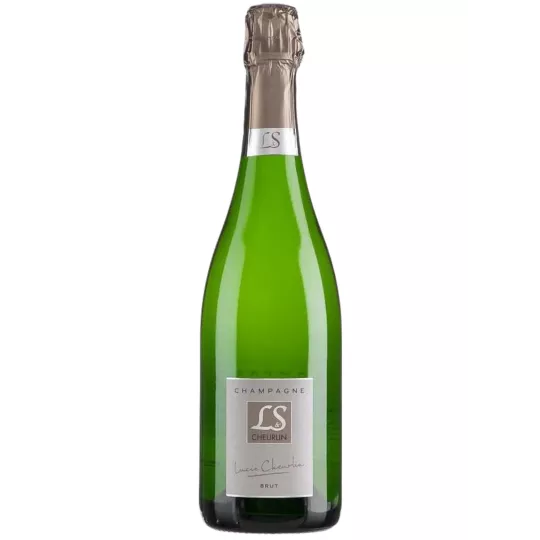
Choosing between Champagne, Prosecco, and Cava can be challenging when navigating the world of fine sparkling wines....
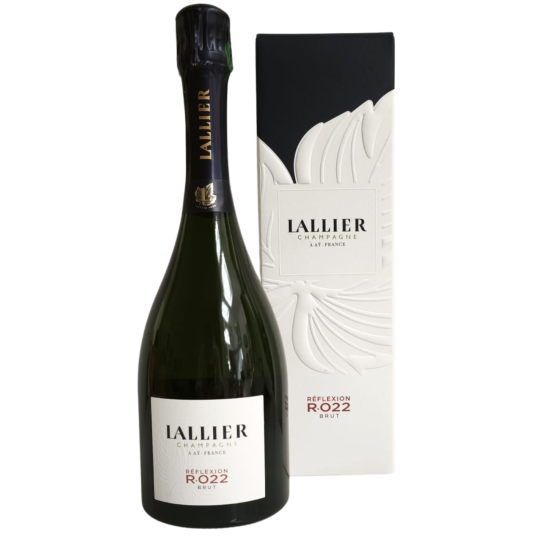

Choosing between Champagne, Prosecco, and Cava can be challenging when navigating the world of fine sparkling wines....
Hosting an educational champagne tasting at home is an excellent way to explore the unique diversity of the Champagne...
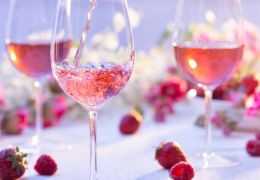
A Distinctive Craft: Unlike the common Rosé d'Assemblage—which blends still red wine into a white base—Champagne...
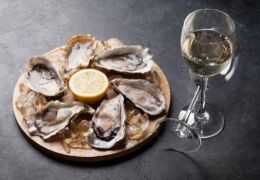
Brut Nature, also known as Zero Dosage, is the driest classification of Champagne, crafted without any added sugar...

Selecting the ideal champagne as a gift involves matching the structural profile of the wine to the specific nature...
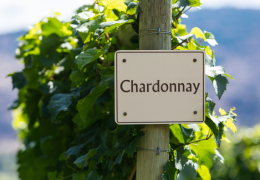



The Champagne region is famous for its vineyards and local champagne producers, who are the keepers of the tradition of producing high quality champagne. The region's winemakers work with passion and determination to produce champagne that reflects the region's unique terroir. Champagne vineyards are cultivated on the steep hillsides of the region, providing an ideal environment for the growth of top quality grapes. Local winemakers are proud of their heritage and expertise, which dates back centuries.
Local champagne producers pay close attention to every stage of champagne production, from selecting the grapes to aging the champagne in the cellars. The traditional method of champagne production includes several key steps, such as vinification, bottle fermentation, disgorging and bottling. The region's winemakers are experts in these steps and work tirelessly to ensure that every bottle of champagne they produce reflects the quality and excellence of the region.
The Champagne region is also home to many prestigious vineyards, such as the vineyards of the Côte des Blancs, the Montagne de Reims and the Vallée de la Marne. Each of these vineyards offers a unique terroir and climatic conditions which influence the aromas and flavors of the champagne produced in these regions. The local winemakers of these vineyards are proud of their heritage and their know-how, which are transmitted from generation to generation.
Local champagne producers and vineyards in the Champagne region are key players in the production of high quality champagne. They work tirelessly to ensure that every bottle of champagne they produce reflects the region's unique terroir and tradition of producing high quality champagne.
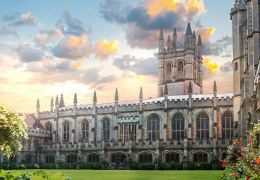
Oxford isn’t just famous for its historic charm and iconic boat race with Cambridge—it also offers a vibrant nightlife scene that comes alive after dark. Among its standout venues is The Bridge, one of Oxford’s most reputable clubs, known for its stylish ambiance, lively events, and impressive champagne selection. Whether you're into cocktails, wine, or simply great music, this venue caters to a variety of tastes and age groups. The Bridge’s user-friendly website reflects its sleek vibe and...

Founded in 2004 and based in Hertfordshire, Kaboura brings a fresh, innovative approach to team building, making it accessible to all while also supporting various charities. Inspired by an Amazonian insect known for teamwork and efficiency, the company embodies an out-of-the-box mindset, ensuring every participant reaches their full potential. Their unique programs transform traditional team-building exercises into engaging and results-driven experiences.In addition to classic...
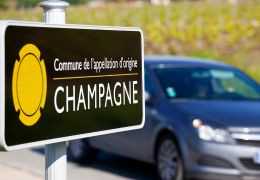
Arblaster & Clarke offers personalized and professional champagne tours tailored to every need, whether you're planning a romantic getaway or a corporate retreat. Since 1987, they have specialized in providing exclusive access to the renowned champagne region of France. Their tours combine scenic vineyard drives, expert-led tastings, and immersive experiences that bring you closer to the world of fine champagne. With year-round availability, these trips offer flexibility, making it easy...

Nestled in the Grand Cru village of Verzenay, Champagne Jean-Claude Mouzon is a hidden gem poised to enchant champagne enthusiasts. Surrounded by picturesque landscapes, including a lighthouse and endless green vistas, this new champagne house emerges as a beacon of artisanal craftsmanship. Rooted in the region's "black gold" terroir, Jean-Claude Mouzon offers a champagne celebrated for its nuanced aromas of dried fruit, nuts, and confectionery, capturing the essence of its exceptional land...
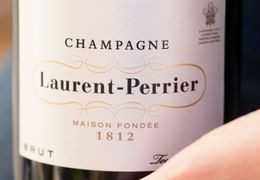
The champagne industry, as represented by Laurent-Perrier, has experienced a surge in sales during the first half of the fiscal year despite lower consumer prices, particularly for its sought-after brands. This increase, amounting to a 23% rise in net sales by the end of September, has been driven by robust demand outside of France. Laurent-Perrier's president, Michael Boulaire, has interpreted these figures as signaling the onset of a new growth period for the industry, suggesting that...
Immersing yourself in the world of Champagne grape varieties is a captivating sensory journey, where each variety - Chardonnay, Pinot Noir and Pinot Meunier - reveals its unique characteristics and contributes to the richness of the blends.The gentle hills of the Champagne region harbor the secrets of this art of blending, where vines stretch as far as the eye can see and each grape variety, with its distinct nuances, plays a crucial role in the creation of this sparkling wine. From the...
In this blog post, we will explore the most important events in the world of champagne not to be missed, to appreciate and taste the best cuvées. The world of champagne is a unique and exciting world that has something for everyone.