
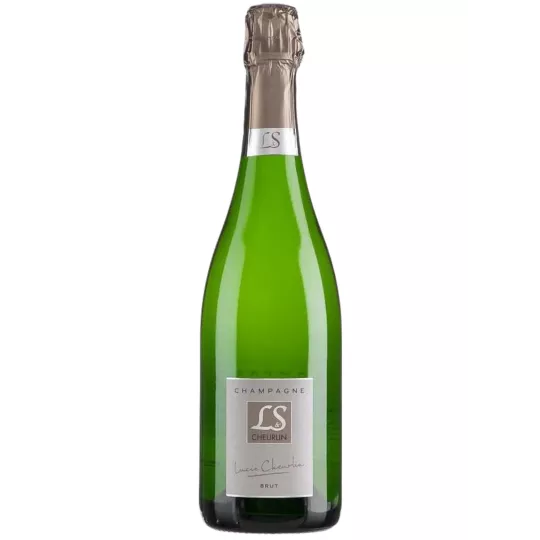
Hosting an educational champagne tasting at home is an excellent way to explore the unique diversity of the Champagne...
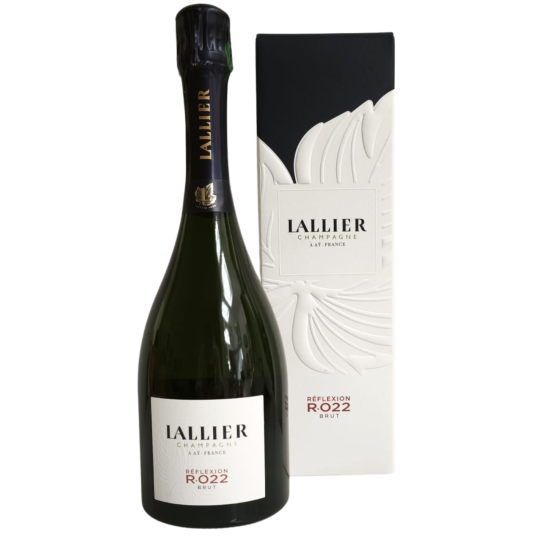


Hosting an educational champagne tasting at home is an excellent way to explore the unique diversity of the Champagne...
A Distinctive Craft: Unlike the common Rosé d'Assemblage—which blends still red wine into a white base—Champagne...
Brut Nature, also known as Zero Dosage, is the driest classification of Champagne, crafted without any added sugar...

Selecting the ideal champagne as a gift involves matching the structural profile of the wine to the specific nature...

Choosing a Champagne depends primarily on the production philosophy you wish to experience in your glass. On one...
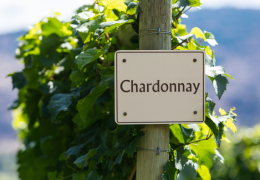


There are several types of champagne, each with its own unique characteristics, aromas and taste. White Champagnes are obtained from white grapes and are known for their freshness and sweetness. Rosé Champagnes are produced by blending white champagne and pinot noir wine and are often prized for their pale pink color and fruity flavor. Vintage Champagnes are champagnes produced from a single harvest of grapes and are considered high quality champagnes.
The unique characteristics of each type of champagne determine its taste and aroma. White champagnes generally have aromas of white fruits, such as apple and pear, as well as hints of honey and vanilla. Rosé champagnes have aromas of red fruits, such as strawberries and cherries, as well as floral and fruity notes. Vintage Champagnes have a more complex flavor, with aromas of ripe fruit, nuts and toast.
In conclusion, the different types of champagne offer a variety of flavors and aromas to satisfy different tastes. Types of champagne, such as whites, rosés and vintages, are all unique in terms of characteristics, aromas and taste. The key keywords are: Types of champagne, White champagne, Rosé champagne, Vintage champagne, Characteristics of champagne, Aromas of champagne and Taste of champagne.
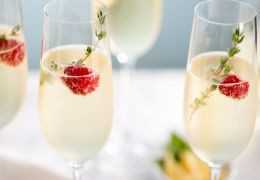
Discover how Champagne sublimates a variety of dishes, from seafood to desserts. Its acidity and effervescence pair perfectly with seafood, cut the richness of meats and balance the richness of cheeses. Even sweet desserts find balance thanks to the acidity of Champagne. A culinary experience in perspective!
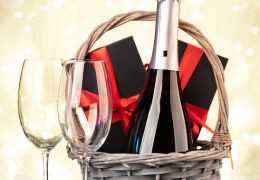
Champagne is an elegant drink for celebrating special occasions or expressing affection for a loved one. This article offers ideas for giving a bottle of champagne as a gift: personalize the label by writing a message, the name of the recipient or an illustration related to the occasion. Champagne gift sets are a great option with accessories, flutes or multiple bottles of champagne. The choice of champagne bottle for a gift depends on the tastes and personality of the recipient, as well as...
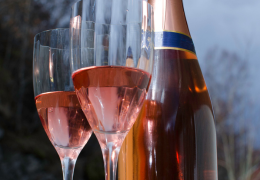
Saignée rosé champagne is a type of champagne produced by adding a little red grape juice to brut champagne, which gives it a rosy hue and a slightly fruity taste. To taste saignée rosé champagne, it is important to serve it at the right temperature, to inspect its appearance to check that it has a pale pink color and a fine and abundant foam, to breathe deeply to appreciate its fruity aroma and to savor its fruity and slightly tangy taste with a long and delicate finish. Champagne rosé de...
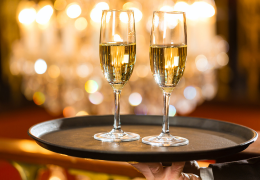
There are several options available for buying Ruinart champagne. You can go to the Ruinart cellar in Reims in France to buy champagne directly from the source and have a unique experience.You can also buy Ruinart champagne in specialized wine and spirits stores, such as wine shops, department stores and online sales sites. Finally, you can also buy Ruinart champagne online from sites such as We Love Bubbles or Wine-searcher.com.It is important to verify the quality and authenticity of the...
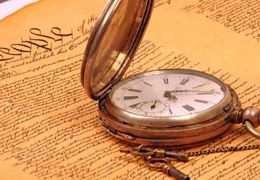
This article will explore the history of champagne from its beginnings in the Middle Ages to its current role as a celebratory and prestigious drink around the world. It will cover the various key stages in the evolution of champagne, including the discovery of the method of fermentation in the bottle, the first exports to England, the technological advances which made it possible to produce superior quality champagnes and the struggles for protect the reputation and identity of champagne.

In this blog post, we'll explore four of the most popular types of champagne: Brut, Extra Brut, Demi-sec, and Rosé - their characteristics, taste profiles, and appropriate occasions for each type. We'll also give you some tips for choosing the right champagne for your next event.

This article examines the different aspects of buying champagne online, from understanding the different types of champagne, to finding reliable sellers, to knowing prices and checking guarantees and return policies. It gives you the information you need to buy champagne online with confidence and celebrate your special occasions with a premium drink.