

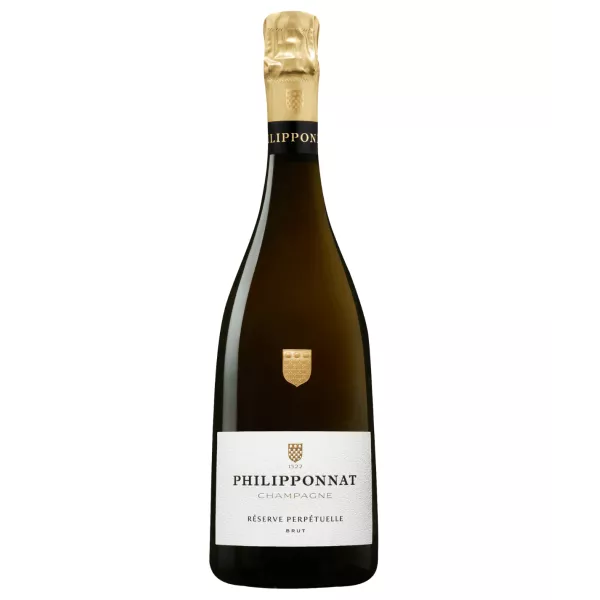
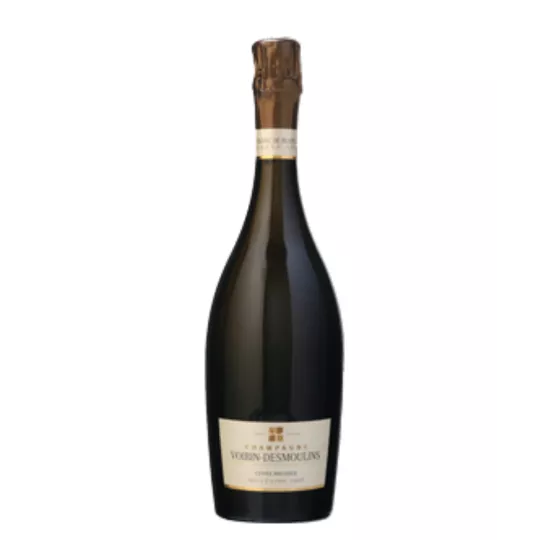
Philipponnat Réserve Perpétuelle Brut Champagne

€44.00
Tax included
 Security policy
100% secure payment and protected data for shopping with complete confidence.
 Delivery policy
Fast, tracked delivery, carefully packaged to preserve the excellence of your champagnes.
 Free delivery
Free delivery for purchases over €210 in the EU. Your bubbles will arrive worry-free.
Description

Champagne Philipponnat Réserve Perpétuelle Brut – The structural expression of time
The Champagne Philipponnat Réserve Perpétuelle Brut cuvée is a technical demonstration of this historic house’s mastery of reserve wines. This wine is specifically crafted to perpetuate the house’s distinctive character across the decades, drawing on a methodical solera system that preserves the organoleptic memory and geological foundation of its constituent plots.
Terroir and Expertise
The composition of this cuvée is based on a rigorous selection of grapes sourced mainly from plots in the Montagne de Reims and the Marne Valley. The vines’ roots extend deep into a mineral substrate dominated by Campanian chalk, a geological factor that governs the water profile and nutrient supply to the grape varieties. The blend gives priority to Pinot Noir (accounting for 66 per cent), complemented by Chardonnay and Pinot Meunier.
The oenological uniqueness of this wine lies in the inclusion of an authentic perpetual reserve. Stored in the heart of temperature-controlled oak casks, this reserve is replenished each year with 25 to 30 per cent of the latest harvest. This process creates a buffer wine with consistent complexity. Malolactic fermentation, carried out systematically on all the base wines, converts malic acid into lactic acid, thereby stabilising the pH and imparting structural roundness. The wine undergoes extended ageing on its lees for a minimum of 36 months in the underground cellars. During disgorging, the technical profile is adjusted by a moderate brut dosage (8 g/l), a precise analytical balance that preserves the acid-sweet balance without masking the juice’s intrinsic purity.
Sensory Profile
- Colour: The wine displays a deep golden hue, enriched with shimmering highlights, enlivened by fine, regular and persistent bubbles forming a dense string.
- Nose: The initial nose reveals a purely technical dimension linked to ageing in oak and contact with the lees. It unfolds with aromas of ripe citrus and white-fleshed fruits (apple, pear), before opening up on aeration to reveal notes of pastry, toasted bread, brioche and subtle hints of sweet spices.
- Palate: The attack is clean and precise. The structure is characterised by a well-controlled vinous character, where the density of the Pinot Noir is balanced by a crisp, mineral tension. The mid-palate offers a full-bodied, creamy texture. The finish, which is particularly long, lingers with noble bitter notes of grapefruit zest and a chalky, salty aftertaste.
Serving Advice
To ensure the optimal release of the solera’s volatile compounds and maintain the crispness of the effervescence, Philipponnat Réserve Perpétuelle Brut Champagne should be served at a precise temperature of between 8°C and 10°C. A lower temperature would inhibit the aromatic expression of reserve wines, whilst a higher temperature would unduly accentuate the perception of alcohol.
Food pairings are best suited to dishes with a firm or rich texture capable of complementing the wine’s body. It pairs well with poultry terrines, roasted white meats or artisanal charcuterie. When it comes to seafood, this wine complements the dense flesh of premium fish cooked on one side, grilled lobsters or roasted langoustines. For cheeses, opt for medium-aged, cooked, pressed cheeses, such as an 18-month-aged Comté or an alpine Beaufort, whose nutty notes harmonise with the wine’s ageing aromas.
Why choose this cuvée?
- The solera principle in large casks: The addition of wines from the perpetual reserve imparts an inimitable aromatic complexity and technical depth.
- The predominance of Pinot Noir: A blend focused on phenolic structure, offering remarkable density on the mid-palate.
- A moderate brut dosage (8 g/l): This analytical balance serves to highlight the nuances of the terroir without overwhelming the palate’s sensory receptors.
- Ageing potential: Its acidity and structural richness enable it to withstand several years’ cellaring following disgorgement.
Frequently Asked Questions
- What does a dosage of 8 g/l technically mean for this champagne? The moderate brut dosage (8 g/l) corresponds to the amount of residual sugar added via the expedition liqueur after disgorging. This level helps to round off the wine’s natural liveliness without altering the perception of its geological character and mineral freshness.
- How is the perpetual reserve managed at Maison Philipponnat? The perpetual reserve is stored in large oak casks. Each year, a portion of the wine is drawn off to create the cuvée blend, and the volume removed is immediately replenished with wine from the new harvest, creating a system of continuous evolution in which the vintages blend seamlessly into one another.
- What is the impact of the malolactic fermentation carried out on this cuvée? Malolactic fermentation is a secondary biological process whereby malic acid, which is naturally sharp, is converted into lactic acid by bacteria. This reduces the wine’s overall acidity and lends it a supple texture.
- Which grape varieties make up Philipponnat Réserve Perpétuelle Brut Champagne? The blend gives pride of place to Pinot Noir for its body and vinous character. It is complemented by Chardonnay, which brings linear tension and ageing potential, and Pinot Meunier for its intermediate fruity notes.
- Where do the grapes for this bottle come from? The grapes are meticulously selected from the chalky slopes of the Montagne de Reims and the Marne Valley, terroirs where the exposed chalk imparts a highly sought-after saline and phenolic character to the musts.
- How should this champagne be stored after purchase? It should be stored lying flat, in a dark cellar, at a constant temperature of between 10°C and 14°C with a minimum relative humidity of 70 per cent. Its structure allows it to age well over a period of 3 to 5 years.
Features
- Size Bottle 75 Cl
- Dosage Brut (less than 12 g/l)
- Champagne Growers or Houses Champagne Houses
Products from the same brand
 Out-of-Stock
 Out-of-Stock
 Out-of-Stock
 Out-of-Stock
 Out-of-Stock
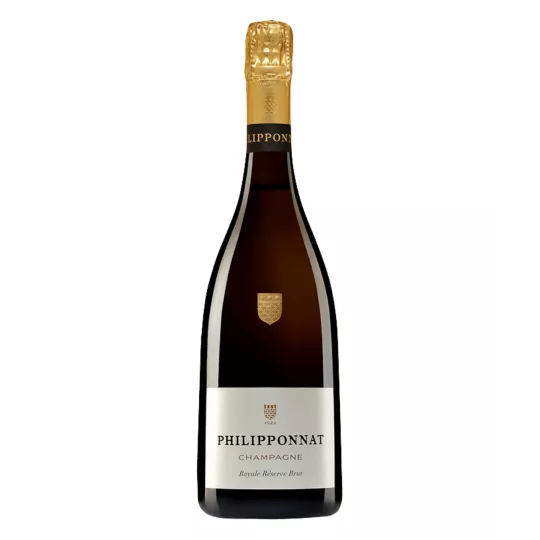 Out-of-Stock
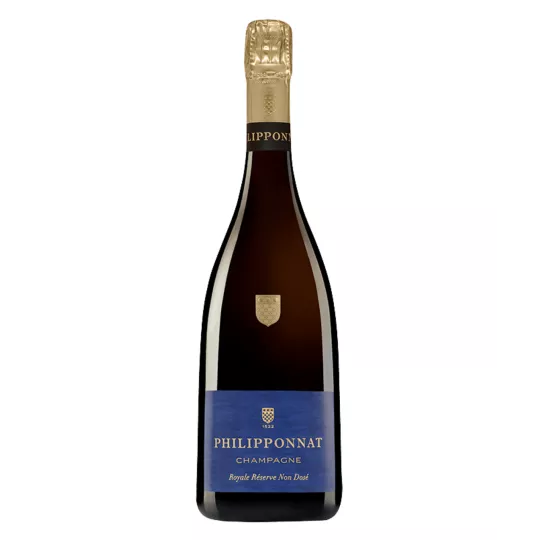 On sale! Out-of-Stock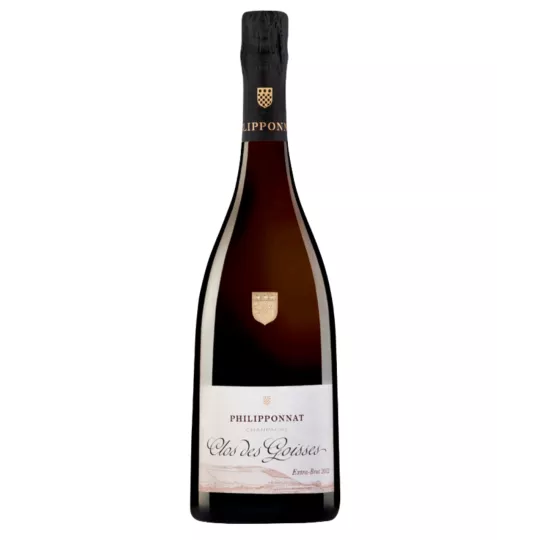
Frequently purchased together
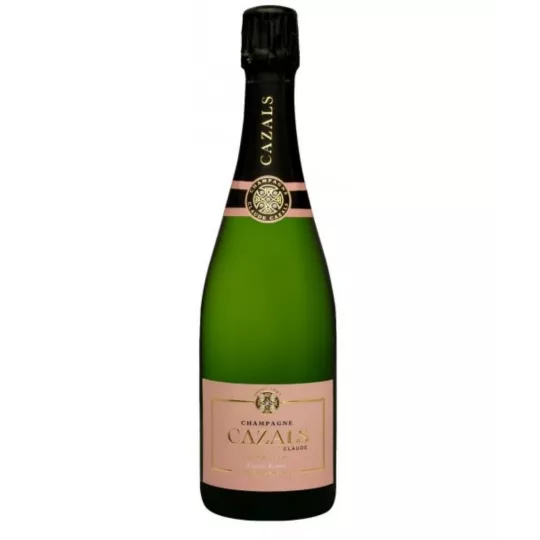

Comments All shop reviews
Summary
0
(0 Reviews)
Select a row below to filter reviews.
Only users who already bought the product can add review.
No customer reviews for the moment.