Decoding Champagne producer codes offers a fascinating look into the craft and structure behind every bottle. Beyond...


Decoding Champagne producer codes offers a fascinating look into the craft and structure behind every bottle. Beyond...

Champagne is often associated with celebration and sophisticated dining, but understanding its nutritional and...

Planning the ideal beverage quantities for a wedding, reception, or dinner party requires an accurate understanding...

Choosing between Champagne, Prosecco, and Cava can be challenging when navigating the world of fine sparkling wines....

Hosting an educational champagne tasting at home is an excellent way to explore the unique diversity of the Champagne...







Each champagne bottle size brings its own character to a celebration, ranging from personal tastings to grand festivities. Understanding these different formats enhances the champagne experience, transforming each opening into a moment of discovery and sharing.
The half bottle of champagne, containing 375 ml of this precious nectar, is perfect for intimate moments where sharing a glass is enough to celebrate the occasion. Ideal for two people, it embodies delicacy and subtlety, offering just enough champagne to be fully enjoyed without excess.
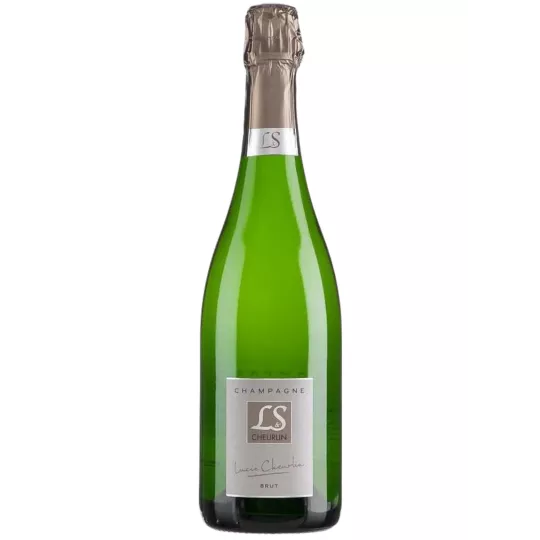
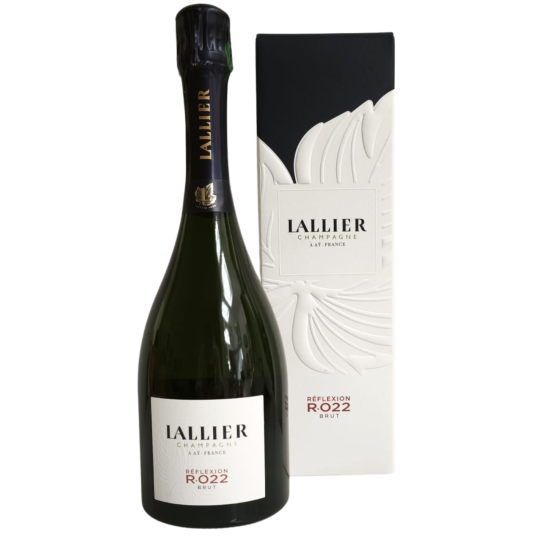
Next comes the well-known standard 750 ml bottle, the traditional choice for most occasions, capable of serving approximately six glasses of champagne.
The magnum, equivalent to two standard bottles, is the preferred option for parties and large gatherings. Holding 1.5 liters of champagne, it is not only practical for serving more guests but is also recognized for optimizing the aging process thanks to its ideal air-to-liquid ratio.
This format is often the choice of connoisseurs and champagne lovers seeking both practicality and superior tasting quality.
The Jeroboam, with its 3 liters of champagne, represents the first step into the grand formats that define major celebrations. Equivalent to four standard bottles, it often becomes the centerpiece, symbolizing sharing and conviviality.
Its name, borrowed from a biblical king known for his greatness, perfectly reflects the festive and generous spirit embodied by this bottle size.
Beyond its impressive size, the Jeroboam also impacts the development of aromas and the preservation of bubbles. The larger volume slows down the aging process, allowing more complex aromas to develop while maintaining freshness and effervescence.
At the top of the bottle size hierarchy are giants such as the Melchizedek, proudly holding the title of the largest champagne bottle available, with a capacity of 30 liters—equivalent to 40 standard bottles.
This extraordinary size is reserved for celebrations involving large gatherings and is often used for spectacular events such as ship launches or extravagant parties.
Before reaching such extravagance, other large formats like the Rehoboam (4.5 liters) offer a perfect balance between grandeur and practicality.
These larger bottles also play a crucial role in the aging process, allowing for slower and more refined flavor development.
The price of a champagne bottle varies significantly depending on its size, brand, and vintage. Naturally, larger bottles tend to be more expensive—not only due to the quantity of champagne they contain but also because of their rarity and production complexity.
Smaller bottles, such as half bottles or quarter bottles, offer a more accessible entry into the world of champagne, making them ideal for gifts or personal tastings without a major financial commitment.
On the other hand, larger formats like magnums and Jeroboams, while representing a higher investment, are often perceived as having added value due to their aging potential and prestige.
Buying champagne by the case is a smart way to optimize your purchase—whether for stocking your cellar, preparing an event, or taking advantage of a good deal.
Champagne cases, often available as assortments or selections of the same cuvée, allow enthusiasts to benefit from better pricing per bottle while ensuring consistency in quality and taste.
Some producers also offer mixed cases, enabling consumers to explore different bottle sizes or cuvées within the same brand.
The Jeroboam, with its 3-liter capacity—equivalent to four standard bottles—is a true masterpiece of winemaking. Representing generosity, it is often at the heart of major celebrations.
Its name, inspired by a biblical king known for power and grandeur, reflects the impressive presence and visual impact of this bottle.
Beyond aesthetics, the Jeroboam enhances the aging process, allowing for slower and richer aromatic development thanks to an optimized air-to-liquid ratio.
Serving champagne from a Jeroboam elevates the tasting experience, leaving a lasting impression of elegance and grandeur.
The names given to champagne bottle sizes are steeped in history and meaning, offering a fascinating journey through viticultural traditions.
From the Demi to the Melchizedek, each name carries a unique story, often inspired by historical or biblical figures symbolizing power and prosperity.
For example, Magnum—meaning “large” in Latin—perfectly represents a bottle twice the size of a standard one, while names like Solomon or Nebuchadnezzar evoke majesty and exclusivity.
These names not only distinguish bottle sizes but also invite champagne lovers to explore the rich cultural heritage behind them.
The 3-liter bottle, known as Jeroboam in champagne and sometimes called Double Magnum in wine, holds a unique place between tradition and celebration.
Its larger volume allows for slower and more harmonious aging, making it particularly suitable for high-quality wines and champagnes intended for long-term storage.
Perfect for large gatherings, opening such a bottle becomes a ritual that creates memorable moments and enhances the atmosphere of celebration.
The term "Grand Champagne" immediately evokes excellence and exclusivity in the world of sparkling wines.
This designation is reserved for champagnes produced from the finest crus of the region, coming from prestigious terroirs that guarantee exceptional quality and finesse.
Grand Cru and Premier Cru champagnes, classified according to strict criteria including soil quality and microclimate, are synonymous with richness and complexity.
Each bottle tells the story of its terroir and craftsmanship, offering a true exploration of champagne excellence.
A 30-liter champagne bottle is called a Melchizedek. It is the largest standard champagne bottle size.
A 12-liter champagne bottle is known as a Balthazar, often used for large celebrations.
The largest champagne bottles include Solomon (18 liters), Primat or Goliath (27 liters), and Melchizedek (30 liters).
A standard 750 ml bottle typically serves between 6 and 8 glasses, depending on serving size.
A magnum (1.5 liters) serves approximately 12 to 16 glasses of champagne.
A standard 750 ml bottle is ideally shared between 4 to 6 people.
A magnum contains 1.5 liters of champagne, equivalent to two standard bottles.
 A Story Of Friendship: Champagne Pol Roger and Sir Winston Churchill Champagne-based cocktails Champagne rosé Serve a good champagne Where to buy Deutz champagne ?