
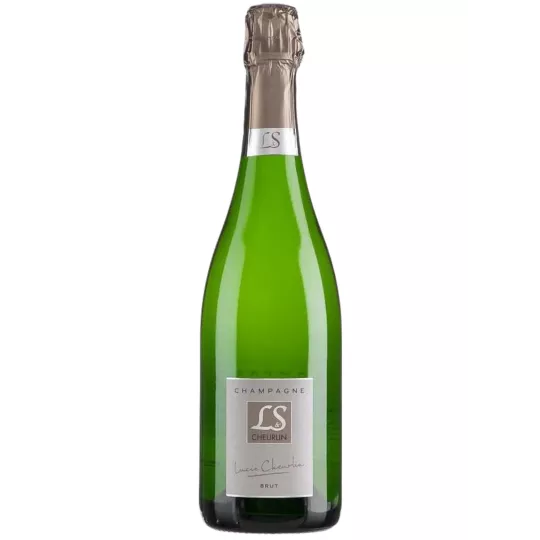
Choosing between Champagne, Prosecco, and Cava can be challenging when navigating the world of fine sparkling wines....
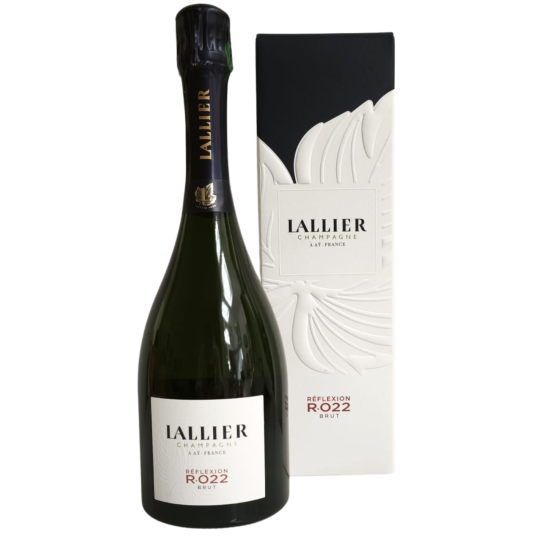


Choosing between Champagne, Prosecco, and Cava can be challenging when navigating the world of fine sparkling wines....

Hosting an educational champagne tasting at home is an excellent way to explore the unique diversity of the Champagne...

A Distinctive Craft: Unlike the common Rosé d'Assemblage—which blends still red wine into a white base—Champagne...
Brut Nature, also known as Zero Dosage, is the driest classification of Champagne, crafted without any added sugar...

Selecting the ideal champagne as a gift involves matching the structural profile of the wine to the specific nature...




When it comes to pairing desserts and alcoholic beverages, a good understanding of the sugar content, acidity and texture of each can make all the difference. Champagne is a popular choice because it comes in different styles, including sweet, dry, or off-dry. It can therefore be associated with a wide variety of desserts. To choose the right champagne to pair with your dessert, there are several factors to consider. First, the type of dessert – red fruit tarts or coulis pair particularly well with dry or semi-dry rosé champagnes due to their slight acidity which complements the sweetness of the dish. Additionally, when selecting a champagne for your dessert, your personal preferences should also be considered.
Besides its versatility when it comes to pairing it with desserts, champagne has other benefits, such as its light effervescence that adds an extra layer of complexity and elegance to any occasion. Its low alcohol content, compared to other sparkling wines and spirits, makes it the ideal accompaniment to a meal without excess. Also, champagne is a great gift idea - paired with a delicious dessert, it will show your loved ones how much you care!
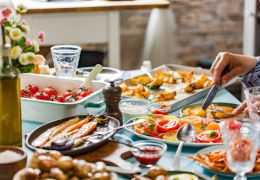
The text explores the changing popularity of vegetarian dishes, highlighting their diversity from vegetables to legumes and vegetarian cheeses. Emphasis is placed on the crucial importance of pairing food and champagne to create a harmonious taste experience. Providing detailed advice, the article offers classic, original and exotic pairings to accompany different types of vegetarian dishes. It also highlights the importance of considering the texture of dishes, giving readers an expanded...

This article explores the delicate art of food and champagne pairing, highlighting the unforgettable gastronomic experience that desserts accompanied by a deliciously sparkling glass can offer. He highlights common mistakes to avoid when making these combinations, warning against flavor imbalance and inappropriate champagne selection. Practical advice offered includes considering the dominant flavors of desserts, looking for similarities and contrasts to create harmonies, and encouraging...

Champagne tasting is much more than a simple act of drinking. It is a sensory experience that allows us to fully appreciate the quality and nuances of such a special sparkling wine. By exploring the different styles of champagne, from brut to sweet, one discovers a palette of unique flavors and aromas. During the tasting, the color, the aromas and the structure of the champagne are important elements to note. Observing the color, smelling the nose of the champagne and appreciating the...

Rosé champagne gets its color and flavor from red grapes, mainly pinot noir and pinot meunier. It offers aromas of red fruits and delicate floral notes. On the palate, it reveals harmonious flavors of ripe red fruits with a slight acidity and a creamy texture.For summer evenings, rosé champagne is the ideal choice. Its sparkling freshness and lightness perfectly quench your thirst. It goes well with a variety of summer dishes, from seafood to spicy grilled meats. Popular brands such as Veuve...
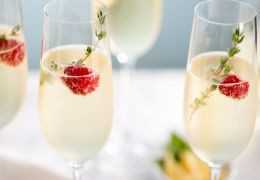
Discover how Champagne sublimates a variety of dishes, from seafood to desserts. Its acidity and effervescence pair perfectly with seafood, cut the richness of meats and balance the richness of cheeses. Even sweet desserts find balance thanks to the acidity of Champagne. A culinary experience in perspective!
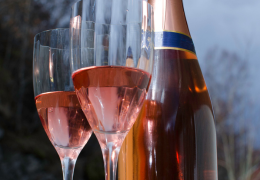
Saignée rosé champagne is a type of champagne produced by adding a little red grape juice to brut champagne, which gives it a rosy hue and a slightly fruity taste. To taste saignée rosé champagne, it is important to serve it at the right temperature, to inspect its appearance to check that it has a pale pink color and a fine and abundant foam, to breathe deeply to appreciate its fruity aroma and to savor its fruity and slightly tangy taste with a long and delicate finish. Champagne rosé de...
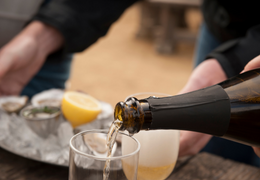
The article discusses how to choose the right champagne to accompany a meal to achieve the optimal tasting experience. It offers advice on wine pairings for cheese dishes, desserts and food in general. However, it is important to note that the choice of combinations is above all a matter of personal taste. The article ends with an invitation to tasting to put into practice the advice given and explore new combinations of flavors.

Champagne rosé is a sparkling wine produced in the Champagne region of France. It is made from red and white grapes, and is characterized by its pinkish color and fruity flavor.The production method for rosé champagne is similar to that of classic champagne, but there is an additional step which involves adding a little red wine to the tank before bottling. This helps give the champagne its distinct color and flavor.