
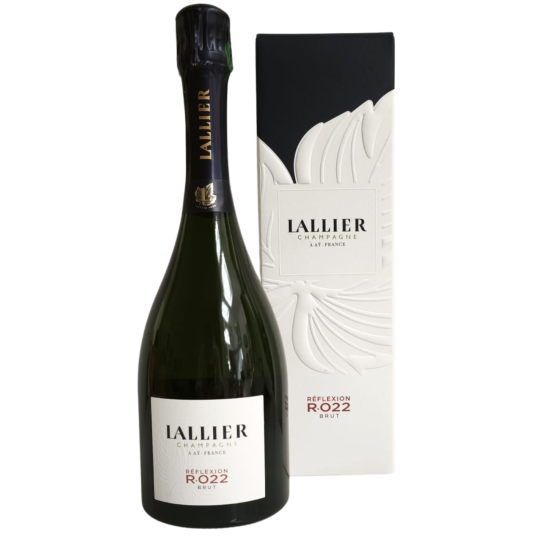

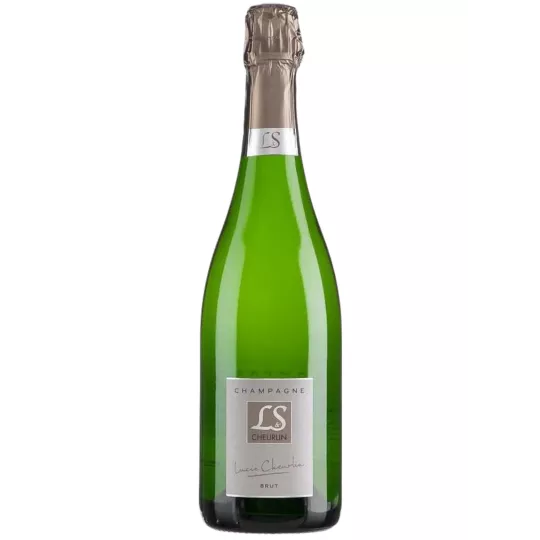
Classification
Your selection of Champagne (61 products)
On sale
Online only On sale! -€49.00 Out-of-Stock
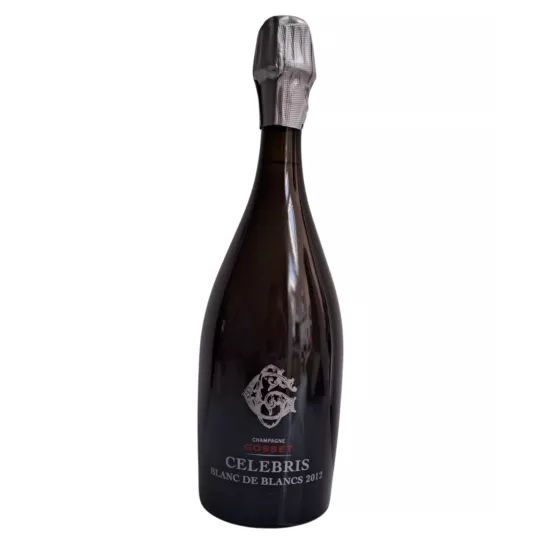
-€32.00
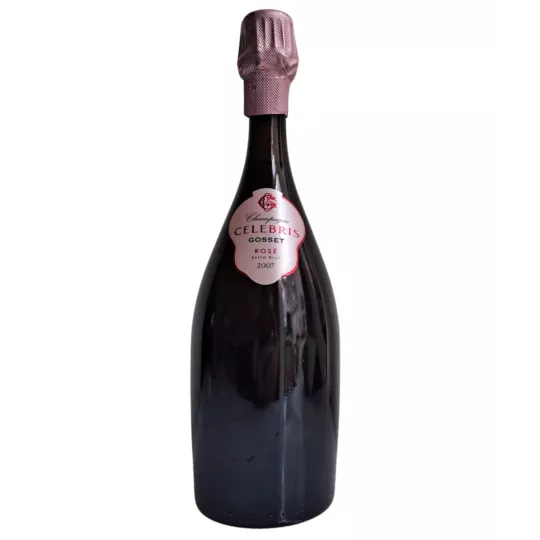
-€52.00 Out-of-Stock
On sale! -€30.00
On sale! -€30.00
-€6.50 Out-of-Stock
The Cru Scales in Champagne: Discover the Quality Scale of Great Champagnes
Welcome to our category dedicated to the Echelles de Cru en Champagne, a fundamental aspect of the fascinating world of champagne. In this page, we will explore in depth this essential concept which governs the quality and reputation of champagnes. We will delve into the intricacies of this quality scale, explaining its importance in the production and tasting of Champagne grands crus.
Get ready to discover the well-kept secrets of the vintage scale, frequently asked questions on the subject and much more.
The Origins of the Cru Scale in Champagne
The history of Echelles de Cru in Champagne goes back centuries. They are the result of decades of observation, tasting and experimentation, helping to define the hierarchy of wines in this prestigious region. Originally, they were used to determine prices for grapes and wines, but they have since evolved to become a mainstay of the champagne industry.
The vintage scale classifies Champagne vineyards into different levels of quality, ranging from the most prestigious to less renowned vintages. Grapes from the highest classified vintages are the most prized and are used to produce the most prestigious champagnes. This scale is the foundation of Champagne's global reputation as a leading sparkling wine producer.
Understanding Vintage Classes
The vintage scale in Champagne has several classes, each defined by strict criteria, including geographic location, terroir, climate and grape quality. The highest vintage classes are Grand Cru and Premier Cru.
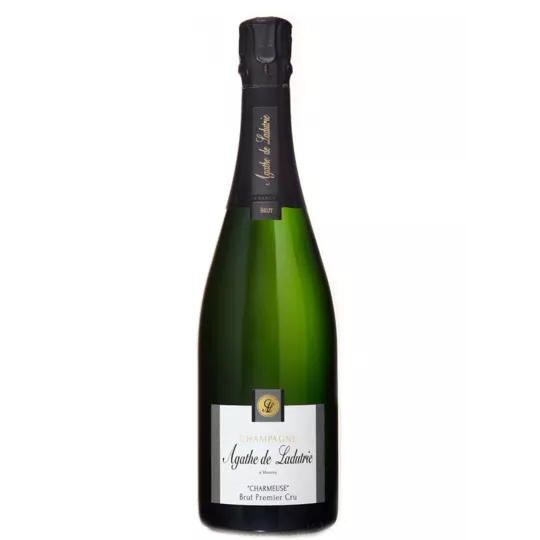
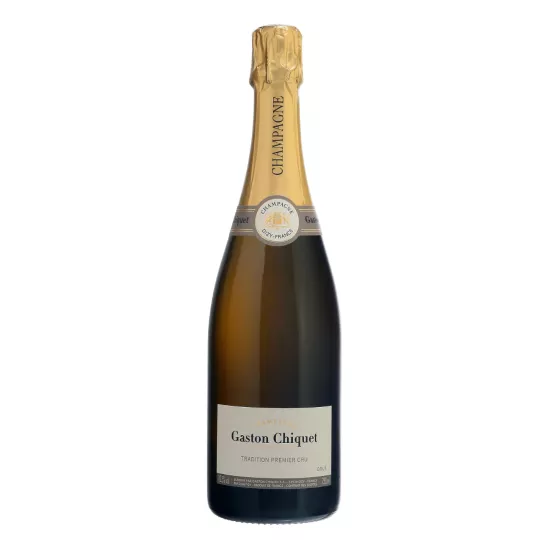
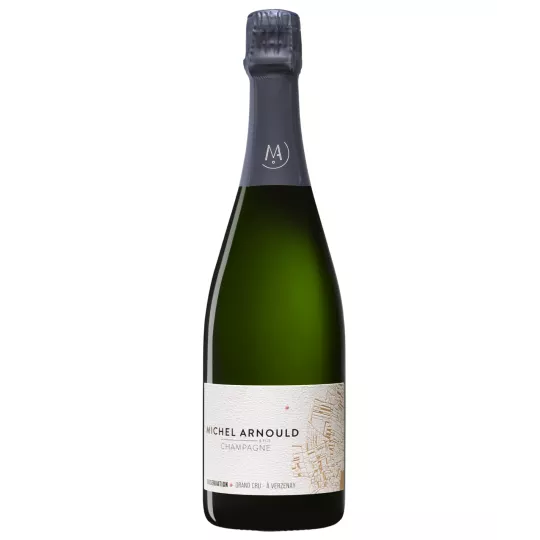
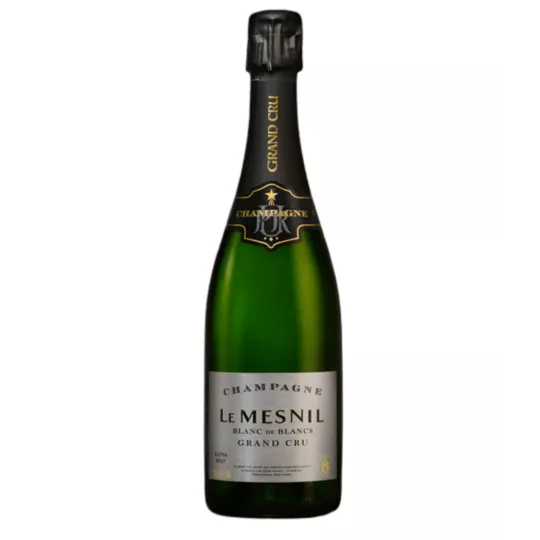
- The Grand Cru is the top of the scale, bringing together the most prestigious vineyards in the region. These exceptional terroirs produce grapes of exceptional quality, which are used to create the most renowned and sought-after champagnes in the world.
- The Premier Cru is the level immediately below the Grand Cru. Vineyards classified as Premier Cru are also highly esteemed and produce grapes of high quality, although slightly below those of Grands Crus.
FAQ about Classification
What criteria determine a vineyard's classification on the Champagne cru scale?
The main criteria are the quality of the terroir, sun exposure, microclimate, vineyard slope, and historical reputation. Vineyards that exceptionally meet these criteria generally receive a higher classification.
Are there any exceptions to the cru system in Champagne?
Yes, there are exceptions. Some Champagne houses may choose not to use the classification on their labels, preferring to focus on other aspects of their history and production process.
How does the cru classification affect champagne prices?
Champagnes made from Grand Cru and Premier Cru vineyards are generally more expensive due to the exceptional quality of the grapes and the more demanding production process.
Can I find quality champagnes at an affordable price without worrying about the cru scale?
Absolutely! There are many exceptional champagnes that don't have a classification on their labels. Explore different champagne houses and let your personal taste be your guide.
What's the best way to enjoy champagne?
To fully appreciate champagne, use a champagne flute to preserve the aromas and bubbles. Serve it chilled, but not too cold, to fully appreciate its complexity.