

Brut nature
Your selection of Champagne (38 products)
On sale
Online only On sale! -€49.00 Out-of-Stock
-€32.00
-€52.00 Out-of-Stock
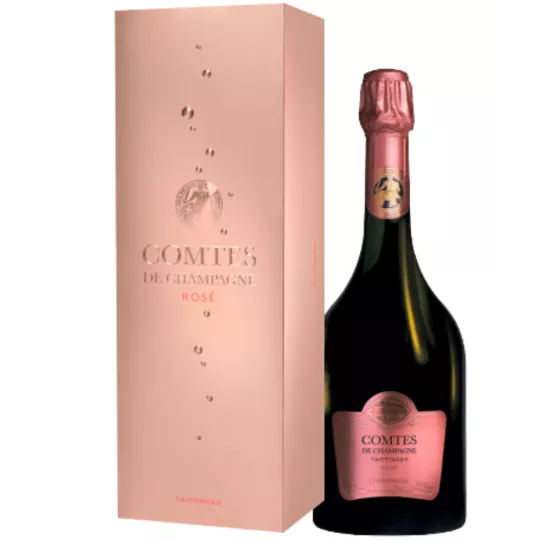
On sale! -€30.00
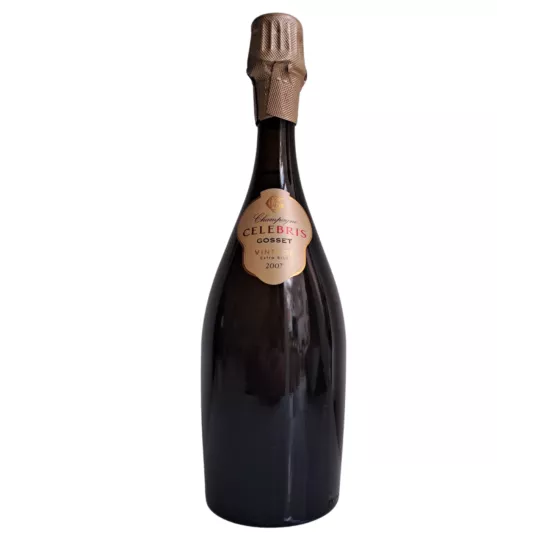
On sale! -€30.00
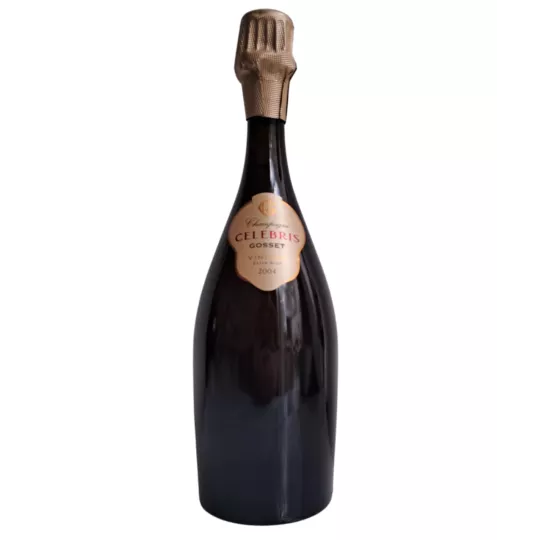
-€6.50 Out-of-Stock
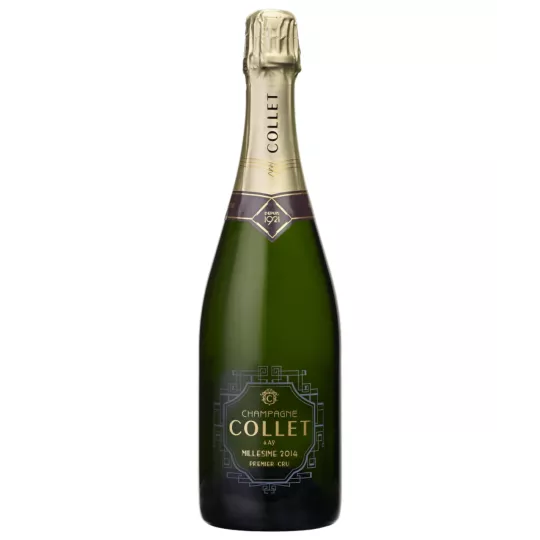
Champagne Brut Nature, a unique taste experience
Discover the range of high quality and environmentally friendly Champagne Brut Nature. Taste the true expression of the terroir without any added sugar.
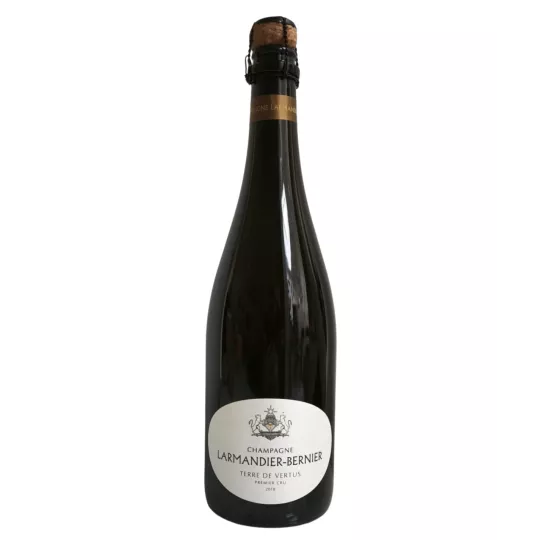
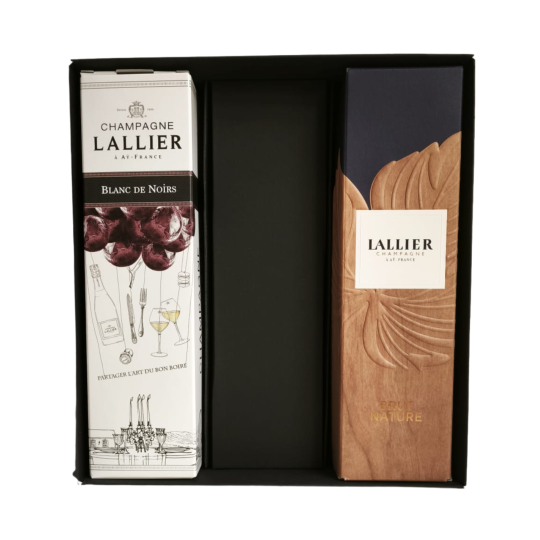
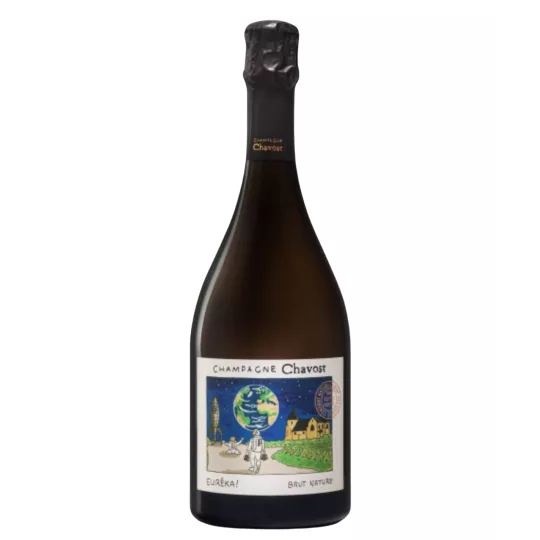
Out-of-Stock
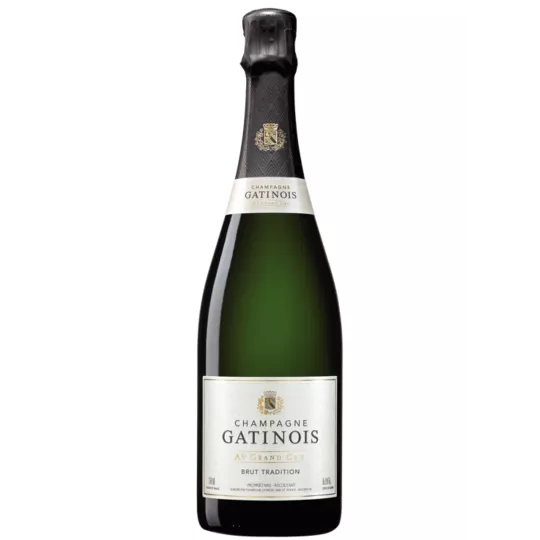
Out-of-Stock
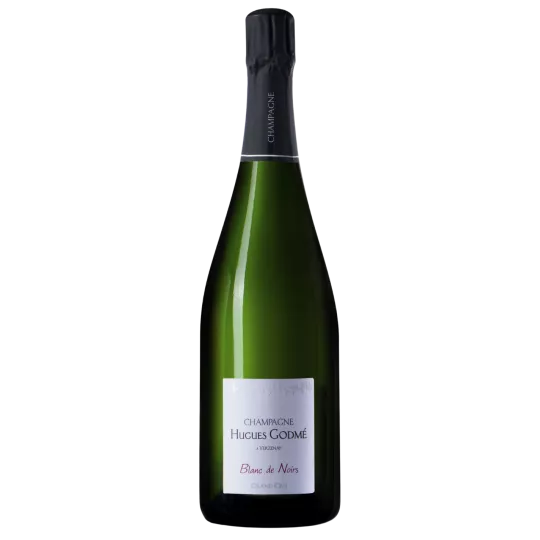
Out-of-Stock
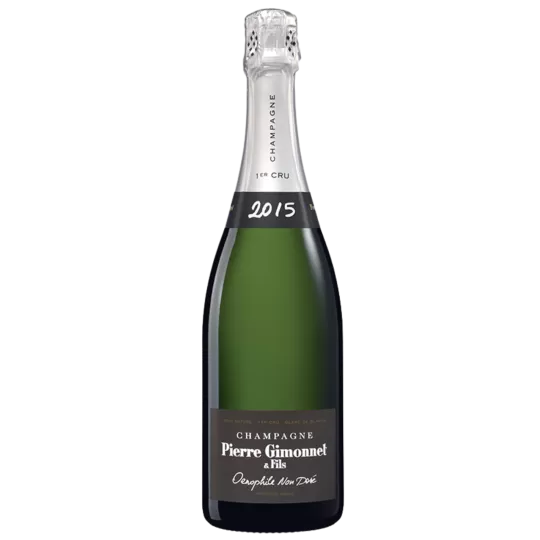
Out-of-Stock
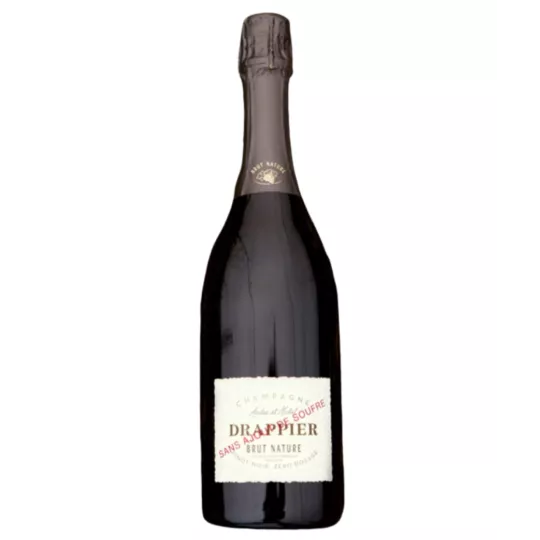
Out-of-Stock
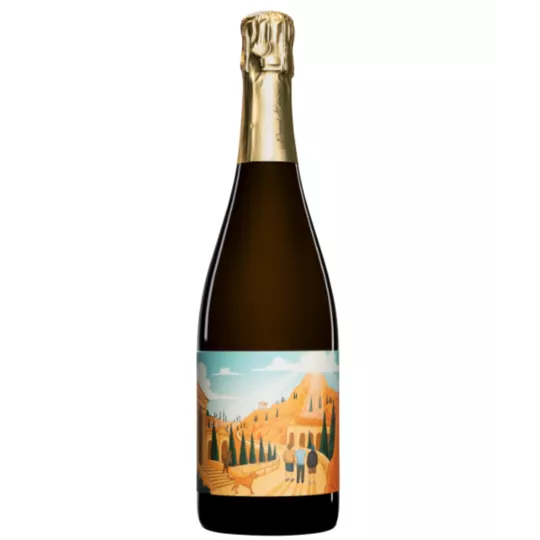
Out-of-Stock
Out-of-Stock
Out-of-Stock
Out-of-Stock
FAQ about Brut nature
What is the main difference between Brut Nature Champagne and other types of Champagne?
Brut Nature Champagne is distinguished from other types of Champagne by the complete absence of added sugar (dosage liqueur) after fermentation in the bottle. This gives it a unique purity and authenticity, highlighting the character of the wine and the terroir.
What dishes are recommended to pair with Brut Nature Champagne?
Brut Nature Champagne pairs perfectly with light dishes such as seafood, sushi, and fine cheeses, as well as richer dishes like foie gras. It is versatile and can complement a wide range of dishes.
How long can you keep a bottle of Brut Nature champagne?
Most Brut Nature champagnes are designed to be enjoyed relatively young, within two years of purchase. However, some high-quality bottles can age beautifully and develop more complex aromas over time.
How long can you keep a bottle of Brut Nature champagne?
Most Brut Nature champagnes are designed to be enjoyed relatively young, within two years of purchase. However, some high-quality bottles can age beautifully and develop more complex aromas over time.
Can I serve Brut Nature Champagne at a different temperature than other Champagnes?
Brut Nature Champagne is generally served between 8 and 10 degrees Celsius, like other Champagnes. However, some experts recommend serving it slightly chilled to highlight its freshness.
What does "zero dosage" mean in the context of Brut Nature Champagne?
The term "zero dosage" means that no dosage liqueur (sugar) is added to the Champagne after fermentation in the bottle. This allows the Champagne to faithfully reflect its terroir.