
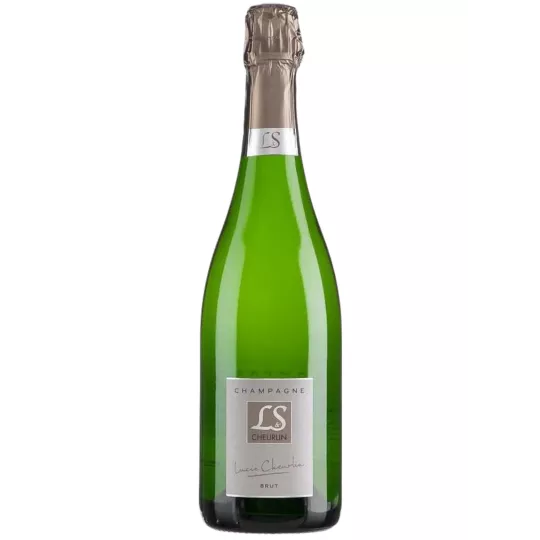
Hosting an educational champagne tasting at home is an excellent way to explore the unique diversity of the Champagne...
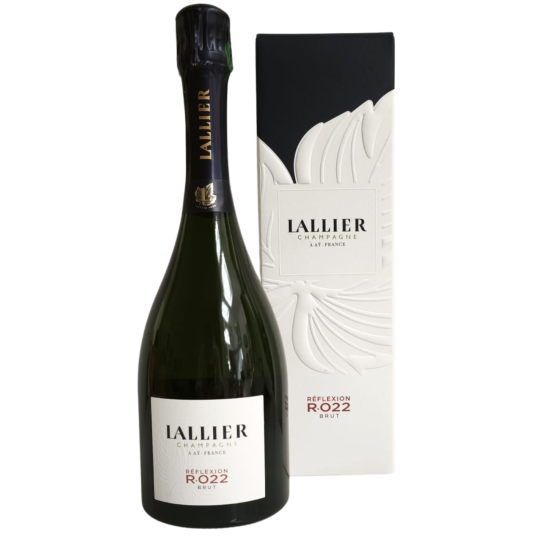

Hosting an educational champagne tasting at home is an excellent way to explore the unique diversity of the Champagne...
A Distinctive Craft: Unlike the common Rosé d'Assemblage—which blends still red wine into a white base—Champagne...
Brut Nature, also known as Zero Dosage, is the driest classification of Champagne, crafted without any added sugar...

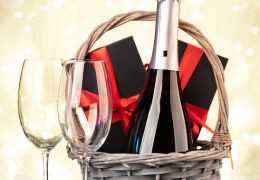
Selecting the ideal champagne as a gift involves matching the structural profile of the wine to the specific nature...

Choosing a Champagne depends primarily on the production philosophy you wish to experience in your glass. On one...


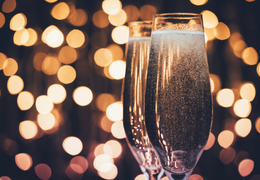
Storing and serving champagne is a delicate process, as it can significantly affect the taste of the drink. To keep your champagne fresh, flavorful and aromatic for as long as possible, it is important to store and serve it properly.
When storing champagne, be sure to keep it in a cool environment at temperatures between 10-12°C (50-54°F). Avoid placing it in direct sunlight or in high places, as exposure to light can damage its flavors and overall quality. The best place to store champagne is either a cellar or a dark, temperature-controlled space. Also, always make sure the cap sits securely on top of the bottle to prevent air from getting in and spoiling the drink.
Serve champagne in appropriate glasses such as champagne flutes. These are glasses specially designed for sparkling wines: their elongated shape allows the bubbles to be retained and the delicate aromas of the drink to be highlighted while preventing them from dissipating too quickly. Also, be careful not to overfill your flutes - only fill them halfway so you can swirl the glass without spilling any liquid. By following these simple steps, you will enjoy your champagne experience to the fullest!

Not long ago, opening a bottle of champagne required a range of gadgets, each with its own risk of breaking or getting lost just when you needed it most. The process often became a source of unnecessary stress, particularly during celebrations when you’d rather be enjoying the moment with your guests. Fortunately, those days are behind us, thanks to modern, innovative solutions. Wineware.co.uk has introduced a sleek 4-in-1 opener that simplifies the process entirely. Combining a screw cap...

Preparing for a party where champagne plays a central role can be an intricate and time-consuming process that blends complexity with fun. Extra care should be given to seemingly minor details that are easily overlooked amidst the allure of this sophisticated beverage. One critical aspect often missed is the initial treatment of the glasses. Improper handling of glassware can lead to a significant misstep, affecting the champagne's effervescence and overall enjoyment. This is especially true...

In a stunning revelation, a diving team uncovered a cache of what may be the world’s oldest drinkable champagne from a shipwreck near the Aland Islands, Finland. Among the findings are believed to be over 100 bottles of early Veuve Clicquot, dating back to the era of Louis XVI. This discovery could rewrite the history of vintage champagnes, as it appears to dethrone the 1825 Perrier-Jouet, previously held as the oldest. The champagne's excellent preservation within the sea's depths has...

The St Pancras Grand Restaurant, Oyster and Champagne Bar, nestled in the Upper Concourse of St Pancras International in London, epitomizes British luxury and has become a celebrated spot among champagne enthusiasts. Its notable for its magnificent and historical ambiance, which is highlighted by Europe's longest bar and stunning architecture visible from nearly any position within the venue. The restaurant offers a rich selection of seventeen different styles of champagne always available by...
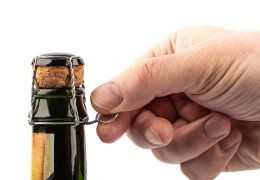
In this article, we have explored in depth the exquisite art of uncorking a bottle of champagne with expertise and grace. We discovered the importance of disgorging to release built-up pressure and ensure an optimal tasting experience, highlighting its crucial role in the world of champagne. Following a step-by-step guide, we learned the essential techniques, from the careful preparation of the bottle to the delicate handling of the cork, giving readers an in-depth understanding of the...
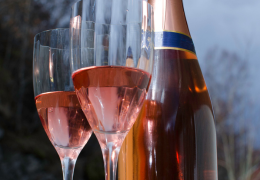
Saignée rosé champagne is a type of champagne produced by adding a little red grape juice to brut champagne, which gives it a rosy hue and a slightly fruity taste. To taste saignée rosé champagne, it is important to serve it at the right temperature, to inspect its appearance to check that it has a pale pink color and a fine and abundant foam, to breathe deeply to appreciate its fruity aroma and to savor its fruity and slightly tangy taste with a long and delicate finish. Champagne rosé de...
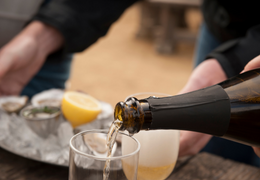
The article discusses how to choose the right champagne to accompany a meal to achieve the optimal tasting experience. It offers advice on wine pairings for cheese dishes, desserts and food in general. However, it is important to note that the choice of combinations is above all a matter of personal taste. The article ends with an invitation to tasting to put into practice the advice given and explore new combinations of flavors.
Deutz is a famous champagne producer based in the town of Aÿ in Champagne, France. Their champagne is known for its elegance and finesse, and has become popular with champagne lovers around the world. There are several options for buying Deutz champagne, each with their advantages and disadvantages.

Champagne rosé is a sparkling wine produced in the Champagne region of France. It is made from red and white grapes, and is characterized by its pinkish color and fruity flavor.The production method for rosé champagne is similar to that of classic champagne, but there is an additional step which involves adding a little red wine to the tank before bottling. This helps give the champagne its distinct color and flavor.

Champagne is a symbol of luxury and celebration, but it can also be enjoyed on simple occasions. To serve a good champagne, it is important to take into account a few key elements such as the temperature, the opening of the bottle and the choice of glasses to be used.
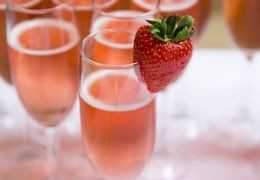
Champagne-based cocktails are a great way to celebrate all kinds of special occasions. Champagne is a go-to ingredient for cocktails because it adds a touch of sophistication and sophistication to any mix. There are many ways to make champagne cocktails, and here are some of the most popular recipes.