
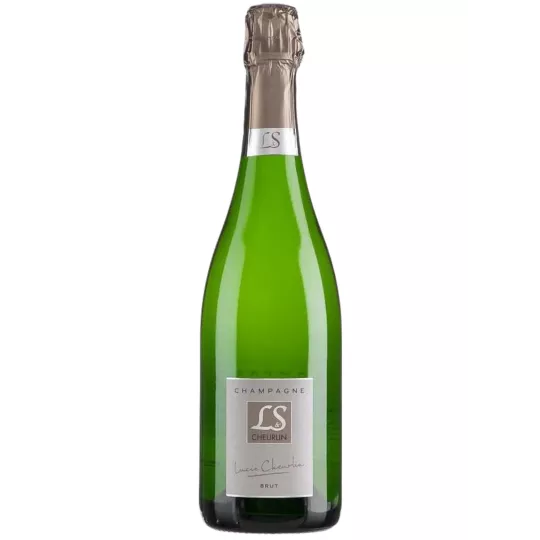
Planning the ideal beverage quantities for a wedding, reception, or dinner party requires an accurate understanding...
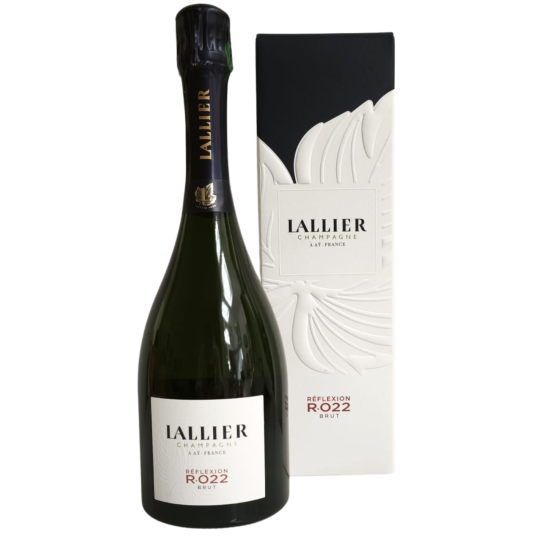


Planning the ideal beverage quantities for a wedding, reception, or dinner party requires an accurate understanding...

Choosing between Champagne, Prosecco, and Cava can be challenging when navigating the world of fine sparkling wines....

Hosting an educational champagne tasting at home is an excellent way to explore the unique diversity of the Champagne...
A Distinctive Craft: Unlike the common Rosé d'Assemblage—which blends still red wine into a white base—Champagne...
Brut Nature, also known as Zero Dosage, is the driest classification of Champagne, crafted without any added sugar...


Choosing the perfect champagne for the occasion, style and budget can be a daunting task with the huge array of options available on the market. To ensure an optimal tasting experience, it is important to serve champagne at a temperature between 8 and 10 degrees Celsius and store it upright in a cool place between 8 and 12 degrees Celsius. When determining which champagne to choose, attention should be paid to the region it comes from, as well as the champagne house and the vintage. Different regions produce different styles of bubble wine, so consider your taste preferences to choose the right one.
When looking at specific brands in each region, analyze their portfolio of champagnes and research ratings and reviews, as this may give you some useful pointers on which bottle would best suit your needs. Vintage is also an important factor to consider when choosing your sparkling drink; in general, older vintages offer more complex flavors while younger vintages are generally easier to drink. Also, keep an eye out for special editions or limited releases that feature additional complexities that could really elevate your experience.
If you are still unsure which champagne best suits your needs, do not hesitate to seek advice from professionals or experienced friends who can guide you to the ideal bottle for you. In the end, whichever choice you make, it should provide you with an enjoyable drinking experience that suits both your taste buds and your wallet !
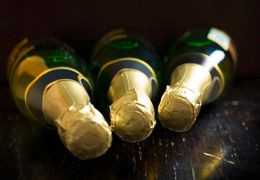
Champagne enthusiasts understand the importance of selecting the right dessert to complement the unique characteristics of their favorite drink and maintain the ambiance of the event. Fruit puddings, such as rice or plum pudding, are classics that pair well with champagne, following a simple rule: the sweeter the dessert, the sweeter the champagne should be. For romantic occasions, strawberries are perfect, especially with very sweet champagnes like the Italian Asti Spumanti. For family...
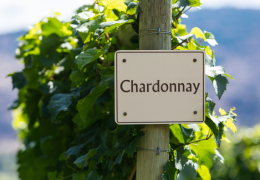
Immersing yourself in the world of Champagne grape varieties is a captivating sensory journey, where each variety - Chardonnay, Pinot Noir and Pinot Meunier - reveals its unique characteristics and contributes to the richness of the blends.The gentle hills of the Champagne region harbor the secrets of this art of blending, where vines stretch as far as the eye can see and each grape variety, with its distinct nuances, plays a crucial role in the creation of this sparkling wine. From the...

In this comprehensive guide dedicated to wine connoisseurs, immerse yourself in the refined world of Champagne, this sparkling treasure whose history is woven with mystery and celebration. Discover the manufacturing secrets and taste subtleties of this exceptional wine shaped by unique terroirs and meticulous production methods. From the verdant valley of Champagne to prestigious grand houses such as Moët & Chandon and Veuve Clicquot, to exquisite food and wine pairings, this article...

Offering a bottle of champagne as a corporate gift embodies much more than a simple act of generosity. It is a statement of values, a testimony of appreciation and a catalyst for strong and lasting business relationships. Through its timeless elegance, champagne creates moments of conviviality and celebration that strengthen professional ties. Whether to mark a special occasion, express your gratitude or simply maintain harmonious relationships, champagne remains an authentic and prestigious...
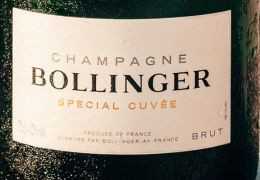
This article has explored in depth the art of reading a champagne label, offering a comprehensive guide to understanding every aspect of this precious document. From identifying the origin and house of champagne to the meaning of terms like "Brut" and "Millésimé", to the importance of grape varieties and classifications, we have provided the tools needed to decode the labels and choose the perfect champagne for every occasion.By understanding key information such as pressure, effervescence...

The article explores in depth the convergence between the world of luxury champagne and the emergence of cryptocurrencies such as Bitcoin and Ethereum. We have highlighted the significant advantages of purchasing champagne with cryptocurrencies, particularly in terms of speed, anonymity and reduced transaction fees. However, we also identified challenges such as price volatility and limited availability of merchants accepting cryptocurrencies.Despite these challenges, the future looks...
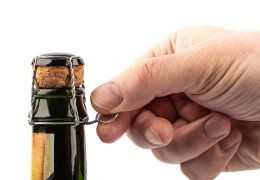
In this article, we have explored in depth the exquisite art of uncorking a bottle of champagne with expertise and grace. We discovered the importance of disgorging to release built-up pressure and ensure an optimal tasting experience, highlighting its crucial role in the world of champagne. Following a step-by-step guide, we learned the essential techniques, from the careful preparation of the bottle to the delicate handling of the cork, giving readers an in-depth understanding of the...
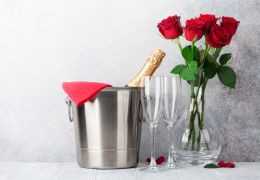
Immerse yourself in a world of elegance and delight with our exclusive guide to the best champagnes for an unforgettable Valentine's Day. Discover timeless classics such as Dom Pérignon and Veuve Clicquot, symbols of elegance and refinement, as well as affordable options such as Nicolas Feuillatte and Mumm, proving that champagne can be enjoyed without breaking the bank. Also explore emerging trends with biodynamic champagnes and exceptional vintages, offering a unique experience with each...
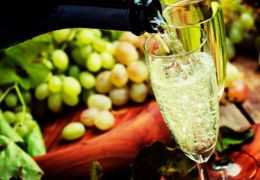
Explore the very essence of Champagne in 2024 with our comprehensive guide to wine tourism. From prestigious houses to picturesque vineyards, immerse yourself in a sparkling adventure combining centuries-old traditions and unique sensory discoveries.
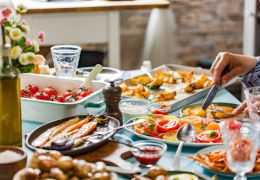
The text explores the changing popularity of vegetarian dishes, highlighting their diversity from vegetables to legumes and vegetarian cheeses. Emphasis is placed on the crucial importance of pairing food and champagne to create a harmonious taste experience. Providing detailed advice, the article offers classic, original and exotic pairings to accompany different types of vegetarian dishes. It also highlights the importance of considering the texture of dishes, giving readers an expanded...
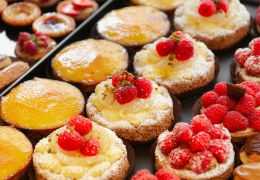
This article explores the delicate art of food and champagne pairing, highlighting the unforgettable gastronomic experience that desserts accompanied by a deliciously sparkling glass can offer. He highlights common mistakes to avoid when making these combinations, warning against flavor imbalance and inappropriate champagne selection. Practical advice offered includes considering the dominant flavors of desserts, looking for similarities and contrasts to create harmonies, and encouraging...
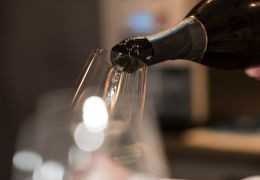
Discover the richness of the different types of champagnes and learn how to fully savor them.From sparkling brut champagne to sweet and sweet champagne, each variety offers a unique taste experience. Below are tips on how to explore and enjoy the diversity of champagnes available.